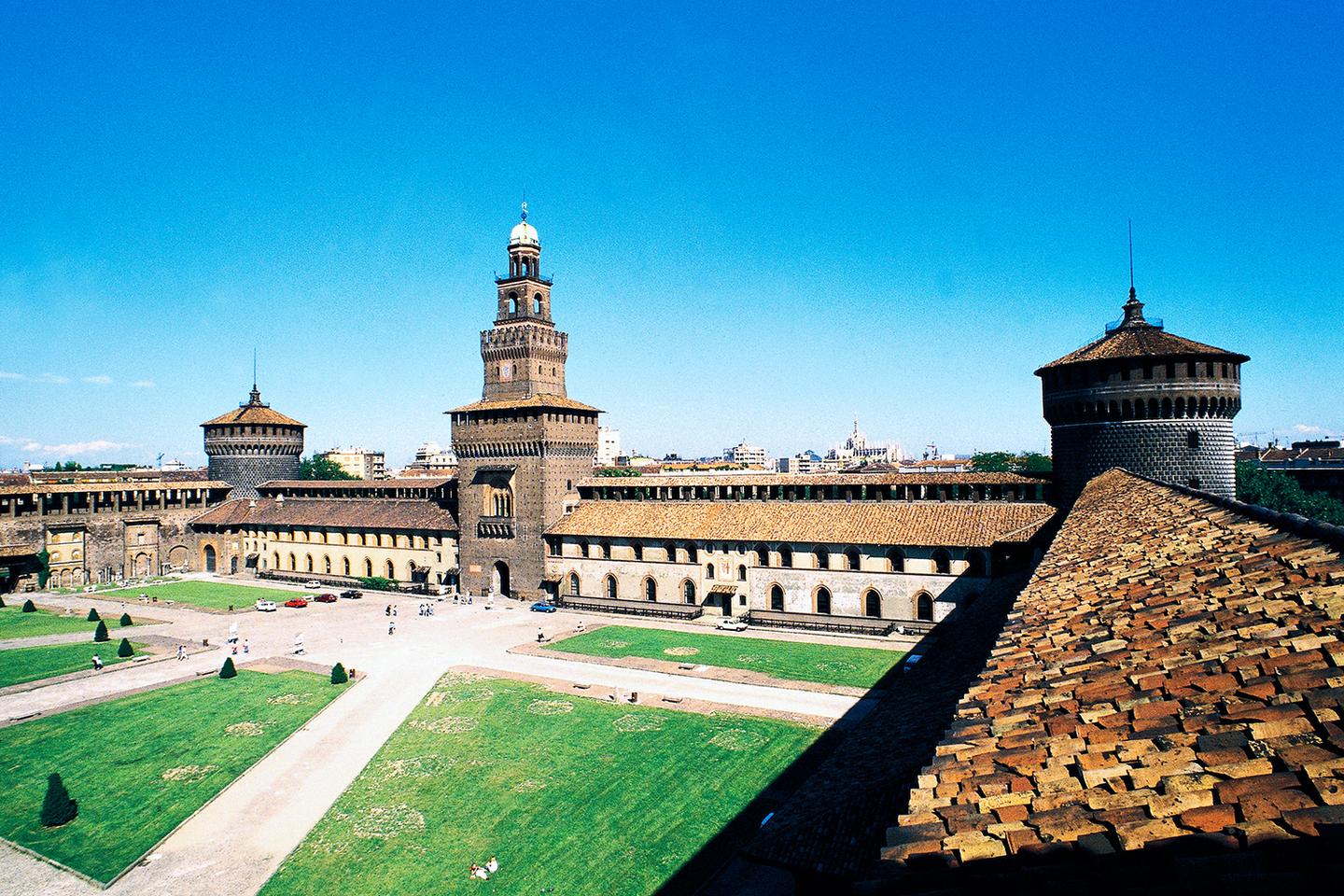
Hidden Passages and Da Vinci’s Secrets: New Discoveries Beneath Milan’s Sforza Castle
Milan’s iconic Sforza Castle continues to yield it’s secrets, captivating historians and sparking the imagination. Recent explorations by researchers at the Polytechnic University of Milan have revealed a network of previously undocumented underground tunnels and passages. These discoveries promise a deeper understanding of the castle’s complex history and, potentially, the mind of Leonardo da Vinci himself.
A castle Steeped in Intrigue
for centuries, the Sforza Castle has stood as a symbol of power, artistry, and political maneuvering. It witnessed pivotal moments in Italian history, including the tumultuous era of the late 15th century. You might already know the castle as a stunning example of Renaissance architecture,but beneath its imposing facade lies a hidden world.
Unearthing the Unknown
Researchers employed innovative,non-invasive exploration techniques to map these subterranean spaces. What they found has ignited excitement within the archaeological community. The layout of these newly discovered galleries appears to align with sketches attributed to Leonardo da Vinci. He resided at the castle during his time serving Ludovico Sforza, the Duke of Milan.
Da vinci’s Connection: More Than Just Art
Leonardo da Vinci’s presence at the Sforza Castle extended beyond his artistic contributions. He was a military engineer, architect, and inventor, and his skills were highly valued by the Duke.Consequently, it’s plausible he was involved in the castle’s design and fortifications.
* Could these tunnels have been part of a secret defense system?
* Were they designed for covert dialog or escape routes?
* Did Da Vinci himself map these passages, leaving clues for future generations?
These are the questions driving the current research.
The Sala delle Asse and ludovico Sforza
Within the castle walls,Da vinci’s artistic legacy is prominently displayed in the Sala delle Asse,or ”Hall of Axes.” He completed the intricate painted decorations in 1498 for Duke Ludovico Sforza. Sadly, these masterpieces were later covered in lime wash, only to be painstakingly restored in the late 19th century.
Ludovico Sforza’s reign was marked by political ambition and strategic alliances.He famously invited King Charles VIII of France to cross the Alps, hoping for support against rivals within the Italian peninsula. However, this decision ultimately plunged Italy into decades of conflict.
Implications for Future Research
These new findings offer a unique prospect to reassess our understanding of the Sforza Castle and Da Vinci’s role within it. Further examination promises to reveal:
* The precise purpose of the tunnels and passages.
* The extent of Da Vinci’s involvement in their design.
* Potential connections to other past events and figures.
Ultimately, this discovery underscores the importance of preserving and exploring historical sites.You never know what secrets lie hidden beneath the surface, waiting to be uncovered. The sforza Castle continues to remind us that history is a living, breathing narrative, constantly evolving with each new revelation.
Keep reading