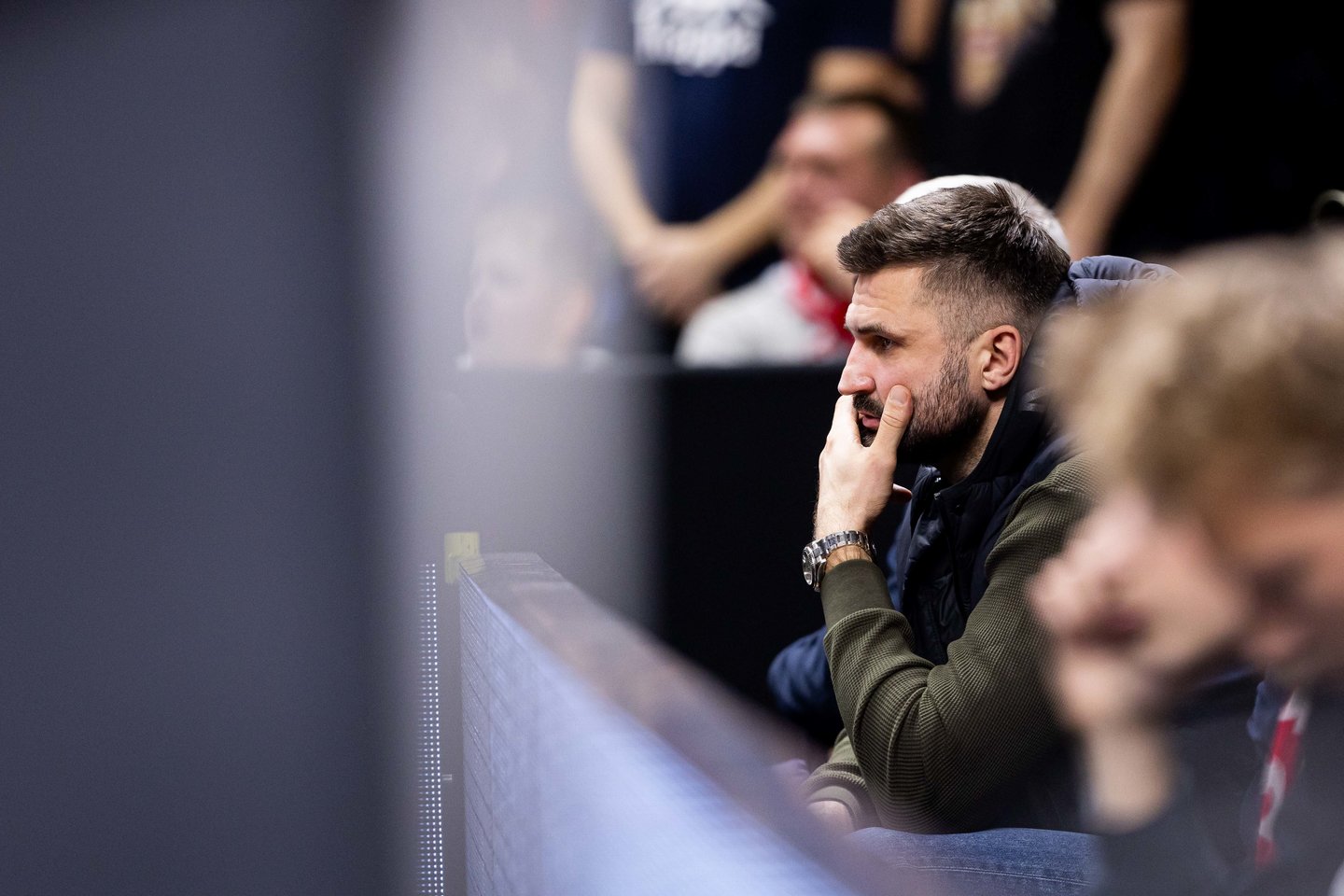
As the landscape of youth sports continues to evolve, the pressures placed upon young athletes have come under increased scrutiny from professionals who have navigated the highest levels of competitive play. Linas Kleiza, a former professional basketball standout, has recently addressed the complex environment surrounding youth development. In an era where early specialization and intense competition are becoming the norm, discussions regarding the mental and emotional well-being of young athletes are more critical than ever.
The conversation around youth athletics is no longer confined to physical training or skill acquisition. Experts in sports psychology and youth development now emphasize that the structure of competitive environments significantly impacts a child’s long-term relationship with sports. Kleiza, who spent significant portions of his career playing in the NBA for teams like the Toronto Raptors, has highlighted the importance of maintaining a balanced perspective regarding the role of sports in a child’s life, noting that the pressure to perform must not overshadow the fundamental need for a healthy, supportive upbringing.
The Evolution of Youth Athletics and Parental Involvement
The transition from amateur play to professional sports is a path fraught with systemic challenges. According to developmental experts, the “success-at-all-costs” mentality can lead to burnout, injury, and a decreased interest in physical activity. Kleiza has previously emphasized that children should be viewed as individuals with their own developmental needs rather than as extensions of parental ambition or tools for achieving professional glory. This sentiment aligns with modern research from organizations like the Aspen Institute’s Project Play, which advocates for “sport for all” models that prioritize long-term health over early specialization.
In his past reflections on the industry, Kleiza observed that the lure of professional contracts and the visibility of stardom can often attract external influences that may not prioritize the child’s best interests. Maintaining a clear sense of values—such as integrity and patience—is essential for families navigating the elite youth sports pipeline. The challenge lies in creating an environment where children can pursue excellence without the burden of premature expectations.
Mental Well-being and the Pressure to Perform
The psychological toll of high-stakes youth sports is a growing public health concern. The pressure to secure scholarships or professional opportunities often forces young athletes into a cycle of constant evaluation. Professionals in the field, such as those associated with the National Athletic Trainers’ Association (NATA), have long campaigned for policies that protect young athletes from overtraining and psychological distress. By fostering a culture that values the process over the outcome, stakeholders can help mitigate the risks associated with intense competitive pressure.
Kleiza’s perspective on the importance of surrounding oneself with authentic, supportive individuals is a recurring theme in discussions regarding professional longevity. The ability to distinguish between genuine support and the transactional nature of fame is a skill that many athletes must develop early. For young players, having a stable support system—comprising family, coaches, and mentors—is the most effective buffer against the stressors of a highly competitive environment.
Looking Ahead to Sustainable Models
The future of youth basketball depends on the collective effort of leagues, parents, and governing bodies to implement safeguards that prioritize the child’s development. As of May 2026, various international basketball federations are continuing to refine their youth programs to ensure they meet modern safeguarding standards. These initiatives often focus on coaching education, ethical recruitment practices, and the promotion of multi-sport participation to prevent overuse injuries and mental fatigue.
For parents and guardians, the path forward involves staying informed about the organizations they choose for their children. Engaging with programs that provide transparent safety policies and prioritize emotional health is a vital step in ensuring a positive experience. As the industry continues to professionalize at younger ages, the focus must remain on the individual, ensuring that the joy of the game remains at the center of the experience.
Frequently Asked Questions
- Why is early specialization in youth sports often discouraged? Experts, including those at the American Academy of Pediatrics (AAP), note that early specialization can lead to higher rates of overuse injuries and increased risk of burnout, as children may miss out on developing a diverse range of motor skills.
- How can parents support a young athlete’s mental health? Focusing on effort, sportsmanship, and the enjoyment of the game rather than focusing solely on winning or future professional prospects is highly recommended by sports psychologists.
- What are the signs of burnout in young athletes? Common indicators include a lack of motivation, feelings of exhaustion, decreased performance, and a general loss of interest in the sport that was once enjoyed.
As we continue to monitor developments in youth sports policy and player development, we encourage our readers to share their thoughts on how One can better protect the next generation of athletes. For those interested in the latest guidelines on youth sports safety, the International Olympic Committee (IOC) provides comprehensive resources on the safeguarding of children in sport, which can be accessed through their official portal. We will continue to follow these key conversations as they unfold throughout the season.

Worth a look