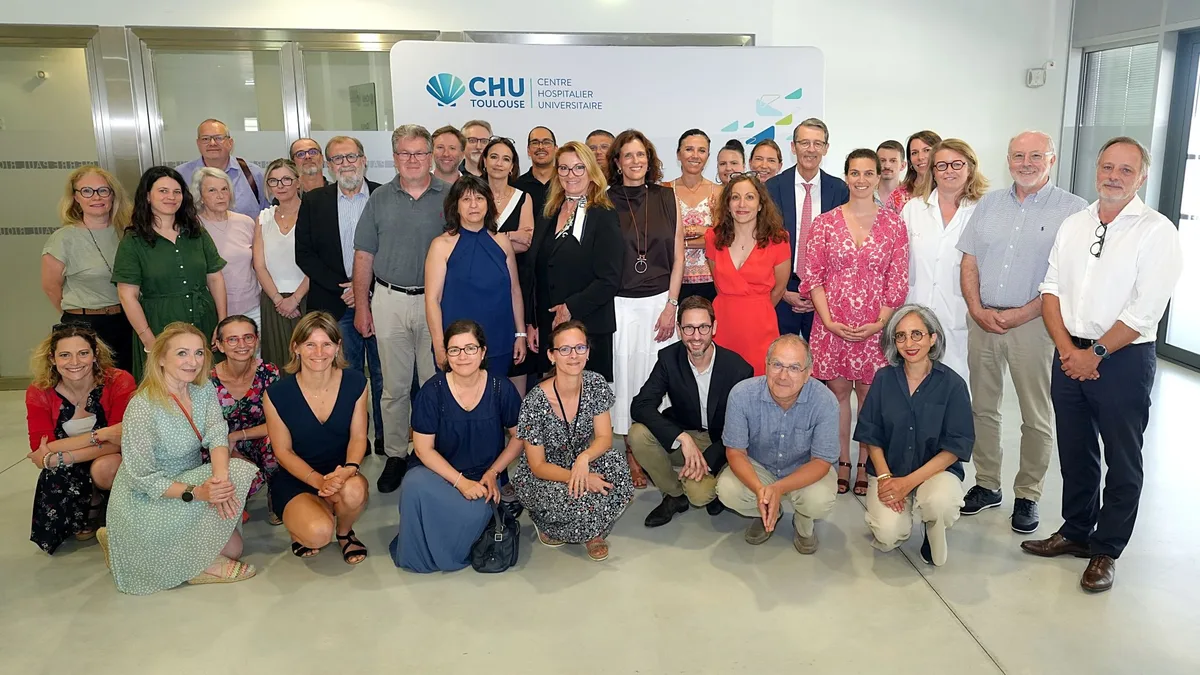
The university hospitals (CHU) of Montpellier, Toulouse, and Bordeaux have officially formed a collaborative network to establish a regional center of excellence dedicated to pediatric oncology. This strategic partnership aims to standardize care, consolidate clinical research, and improve survival outcomes for children diagnosed with cancer across the Occitanie and Nouvelle-Aquitaine regions of France. By pooling resources and medical expertise, the institutions seek to provide pediatric patients with more uniform access to cutting-edge clinical trials and specialized treatment protocols, according to recent statements released by the hospital administrations.
This initiative addresses significant logistical and scientific challenges in pediatric oncology, where rare cancer subtypes often require highly specialized infrastructure that can be difficult to maintain in isolation. By integrating their clinical and research platforms, the three CHUs intend to create a “hub-and-spoke” model that allows for faster diagnostics and more efficient patient recruitment into international research programs. This consolidation is aligned with the broader objectives of the French National Cancer Institute (INCa), which provides strategic oversight for oncology care across the country, as detailed in the latest epidemiological data on childhood cancers published by the institute.
Strengthening Pediatric Oncology Care in Southern France
The primary driver behind this collaboration is the necessity to centralize expertise for complex pediatric cases, such as rare solid tumors and relapsed leukemias. In France, the organization of pediatric oncology is governed by a national network of specialized centers that operate under the national strategy for childhood cancer care. By linking the CHU de Montpellier, CHU de Toulouse, and CHU de Bordeaux, the new alliance effectively creates a critical mass of patients and researchers, which is essential for conducting clinical trials and advancing precision medicine.

Medical professionals involved in the project emphasize that this move will not replace local care, but rather enhance the diagnostic and therapeutic options available to families. When a patient presents with a high-risk or rare malignancy, the new network facilitates rapid inter-institutional consultation. This ensures that a child treated in one of the partner cities benefits from the collective multidisciplinary expertise of all three institutions. The French Ministry of Health and Prevention continues to oversee the structural funding and regulatory frameworks that allow these university hospitals to function as regional centers of reference.
Improving Access to Clinical Research
A significant portion of the initiative focuses on accelerating the translation of laboratory discoveries into bedside care. Pediatric cancers are biologically distinct from adult malignancies, requiring dedicated research pathways that are often resource-intensive. The collaboration between the three CHUs is designed to streamline the regulatory and ethical approval processes, allowing for more rapid enrollment of pediatric patients into early-phase clinical trials.
According to the Société Française des Cancers de l’Enfant (SFCE), which coordinates pediatric oncology research in France, the ability to share data across regional centers is a key factor in improving long-term outcomes. By synchronizing their oncology units, Montpellier, Toulouse, and Bordeaux are positioning themselves as a unified force capable of contributing more effectively to European and global collaborative research groups. This is particularly important for patients who have exhausted standard treatment options and require access to innovative molecularly-targeted therapies or immunotherapy protocols.
What This Means for Families and Patients
For families, the primary benefit of this regional center of excellence is the continuity and quality of care. The network aims to reduce the “medical wandering” that often occurs when patients seek specialized opinions for rare diseases. By formalizing the referral pathways between these three major university hospitals, the system provides a more predictable and transparent journey for patients from the initial diagnostic phase through to long-term follow-up.

The hospitals have indicated that the next phase of the project involves the implementation of a shared digital platform for tumor boards. This will enable real-time discussion of complex cases among oncologists, pediatric surgeons, and radiologists across the three sites. Official updates regarding the implementation of these shared protocols are expected to be communicated through the CHU de Montpellier, CHU de Toulouse, and CHU de Bordeaux institutional channels as the project moves into its operational stage. The initiative remains subject to ongoing evaluation by regional health agencies (ARS) to ensure that the quality of care meets national benchmarks for pediatric oncology.
Readers interested in the progress of this oncology network are encouraged to consult official hospital communications and the INCa public portal for updates on clinical trial availability and patient care standards. We invite our readers to share their thoughts on the integration of regional healthcare systems in the comments section below.
Related reading