
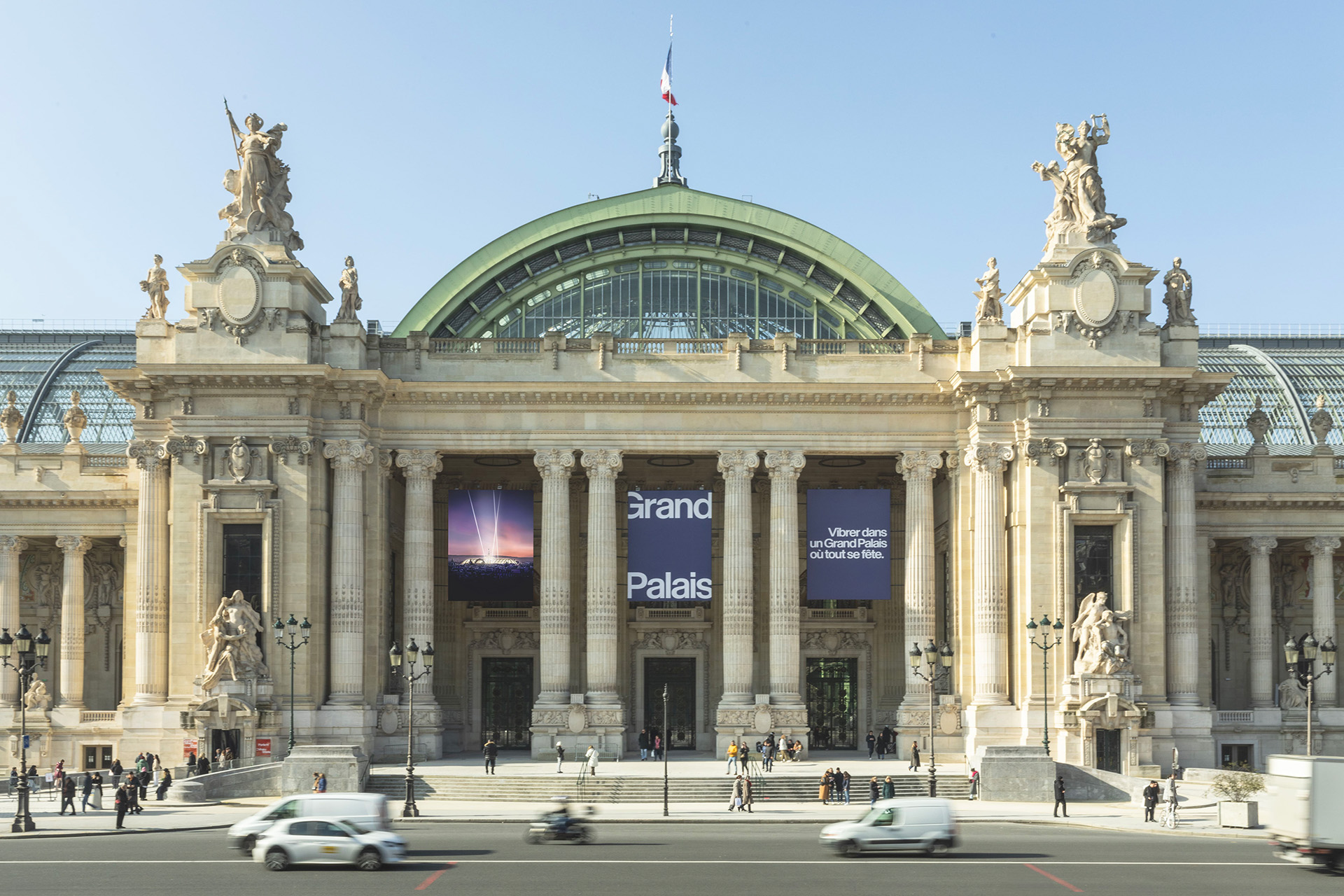
The Grand Palais in Paris is currently hosting a landmark examination of Henri Matisse’s final creative period, focusing on his transformative years in Vence and the development of his signature gouache cut-outs. This retrospective, titled “Matisse: The Red Studio” and associated recent thematic exhibitions, highlights the artist’s shift toward abstraction and color-saturated compositions during the 1940s and early 1950s. According to the Grand Palais Réunion des musées nationaux, these later works represent a fundamental evolution in 20th-century modernism, where Matisse moved beyond traditional painting techniques to “drawing with scissors.”
The Evolution of the Gouache Cut-Out Technique
Henri Matisse, confined to his bed or chair due to health issues during his later years, developed the gouache découpée (paper cut-out) method as a way to continue creating art despite physical limitations. This process involved assistants painting sheets of paper with gouache, which Matisse then cut into various shapes. These pieces were rearranged on walls to form large-scale compositions, a technique that allowed him to manipulate color and form with unprecedented freedom. The Museum of Modern Art (MoMA) notes that this period marked a definitive break from the constraints of the easel, effectively merging the boundaries between painting, sculpture, and decoration.
The Vence interiors, specifically those created between 1946 and 1948, serve as the primary subject for understanding this shift. Matisse utilized the light and atmosphere of his studio in the Villa Le Rêve to explore domestic space through flattened perspectives and vibrant color blocks. This transition from the representation of objects to the representation of “pure color” remains a cornerstone of his legacy, as documented in the Musée Matisse in Nice archives.
Geographic Shifts in Contemporary Art Exhibitions
While Paris remains a global hub for Matisse scholarship, smaller cultural centers are increasingly hosting high-profile exhibitions that challenge the traditional dominance of metropolitan museums. Towns such as Brioude and Saint-Flour in France have recently organized specialized displays that draw significant visitor numbers, effectively decentralizing the French art circuit. This trend, analyzed by regional cultural observers, suggests a growing demand for localized access to major historical works outside of capital cities.
The decentralization of these exhibitions allows for more intimate engagement with the pieces, according to reports in regional French media. By hosting works that might otherwise be confined to the Louvre or the Grand Palais, these smaller municipalities are fostering new tourism models. This shift is supported by regional cultural funding initiatives, which seek to balance the distribution of national heritage assets across diverse territories.
Why the Vence Period Matters to Modern Art
The “Vence” phase is not merely a biographical detail but a technical turning point. By moving away from the traditional oil-on-canvas format, Matisse anticipated the minimalist and color-field movements that would dominate the mid-20th century. The Tate Gallery identifies this period as the moment Matisse solved the “problem” of color versus line, proving that the two could function as a single, unified element. His work during this time, including the creation of the Chapelle du Rosaire de Vence, demonstrates his interest in immersive, site-specific art installations.
The following table outlines the transition in Matisse’s output during his final decade:
| Period | Primary Medium | Focus |
|---|---|---|
| 1940–1943 | Oil and Ink | Transitioning from traditional portraiture |
| 1944–1948 | Gouache Cut-outs | Experiments with abstraction and interior space |
| 1949–1954 | Monumental Cut-outs | Large-scale decorative commissions and chapel design |
Impact on Contemporary Curation
Current curatorial strategies focus on the physical process behind the art. By displaying the “scissors” and the raw materials alongside the finished cut-outs, institutions like the Grand Palais provide visitors with a clearer understanding of the labor-intensive nature of Matisse’s final years. This “process-oriented” exhibition style has become the standard for major retrospectives, moving away from chronological biographies toward thematic exploration of technique and materials.
For those tracking these developments, the Grand Palais offers periodic updates on its exhibition schedule and digital archive access through its official news portal. As international interest in Matisse’s late-career output remains high, researchers continue to analyze the influence of his Vence period on contemporary digital design and color theory. Readers interested in the specifics of the current exhibition cycle are encouraged to check official museum listings for upcoming lecture series and guided tours.
What are your thoughts on the shift toward regional art exhibitions? Share your perspective in the comments section below.
Related reading