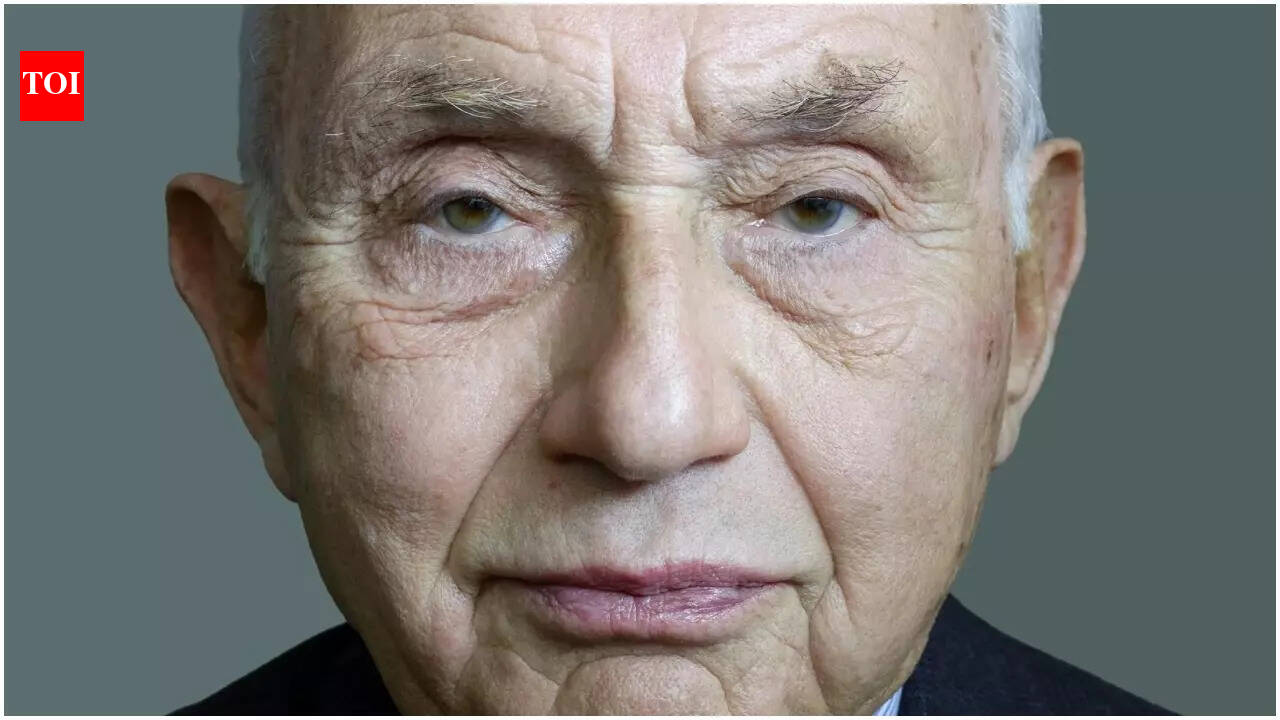
New Albany, Ohio – Billionaire Les Wexner, the former CEO of L Brands – parent company of Victoria’s Secret and Bath & Body Works – faced a closed-door deposition on Wednesday as part of a congressional investigation into his decades-long relationship with the late convicted sex offender Jeffrey Epstein. The deposition, conducted by the House Oversight and Government Reform Committee, comes weeks after the release of millions of pages of documents related to Epstein, prompting renewed scrutiny of Wexner’s role and potential knowledge of Epstein’s criminal activities. The inquiry centers on financial ties and the extent to which Wexner may have facilitated Epstein’s access to wealth and influence.
Wexner, 88, has consistently maintained that he was unaware of the full extent of Epstein’s crimes, stating he was “embarrassed” to have been deceived by someone “so sick, so cunning, so depraved.” However, the newly released documents, obtained under the Epstein Files Transparency Act, have revealed a deeply intertwined financial and personal relationship spanning nearly three decades, raising questions about the level of oversight Wexner exercised over Epstein’s management of his vast fortune. The deposition aims to clarify these details and determine whether Wexner had any knowledge of Epstein’s abuse of power.
A Longstanding and Complex Relationship
The relationship between Wexner and Epstein began around 1986, when Epstein was a relatively unknown financial advisor. Wexner, who had built a retail empire from a single store into a multi-billion dollar enterprise, entrusted Epstein with managing his personal finances and eventually granted him power of attorney in 1991. This gave Epstein significant control over Wexner’s investments, property acquisitions, and estate planning, including the development of Wexner’s expansive estate in New Albany, Ohio. For years, Wexner was Epstein’s only publicly known client.
Epstein’s role extended beyond simple financial management. According to a 2003 interview with Vanity Fair, Wexner described Epstein as having “excellent judgment and unusually high standards” and a “most loyal friend.” However, this trust was ultimately shattered when Wexner and his wife, Abigail, discovered that Epstein had been stealing from them. The exact amount of money misappropriated has not been publicly disclosed, but it marked a turning point in their relationship, though contact continued even after Epstein’s 2006 arrest on Florida state charges of soliciting prostitution.
The Epstein Files and Renewed Scrutiny
The recent release of the “Epstein Files” by the Department of Justice, comprising over 3 million pages of documents, has brought renewed attention to Wexner’s connection to Epstein. The House Oversight and Government Reform Committee subpoenaed Wexner and other associates of Epstein in January with bipartisan support, seeking to understand the full scope of their relationship and any potential involvement in Epstein’s criminal activities.
Documents within the files reveal that Wexner’s name appears more than 1,000 times, a figure his spokesperson has stated is unsurprising given the length and depth of their association. Notably, a 2019 FBI document, initially redacted, referred to Wexner as a “co-conspirator,” as highlighted by Representative Thomas Massie of Kentucky during a recent House Judiciary Committee hearing. The redaction of Wexner’s name sparked further controversy and fueled calls for greater transparency.
Adding to the complexity, allegations have surfaced from victims of Epstein, including Virginia Giuffre, who claim Wexner was among those to whom Epstein trafficked them. Wexner has consistently denied these allegations and maintains he never met Giuffre. However, these claims continue to be a central focus of the ongoing investigation.
Key Questions for the Deposition
Lawmakers on the House Oversight and Government Reform Committee have indicated they intend to question Wexner extensively about several key areas. Representative Robert Garcia, the top Democrat on the committee, stated that they have “a lot of questions” regarding the financial transactions between Wexner and Epstein, the nature of their relationship, and what Wexner knew about Epstein’s activities. Garcia emphasized that Wexner appeared to be the primary facilitator of Epstein’s wealth, stating, “There’s probably no single person that facilitated the access to wealth and money that was transferred over to Epstein” more than Wexner.
Specifically, investigators are expected to probe the details of Epstein’s power of attorney, the extent of his control over Wexner’s finances, and whether Wexner conducted adequate due diligence regarding Epstein’s background and activities. Documents released by the Justice Department include notes reportedly written by Epstein himself, stating, “never ever, did anything without informing les” and “I would never give him up,” suggesting a close and potentially controlling dynamic. Another document describes a relationship spanning “over 15 years” characterized by mutual indebtedness.
The Evolution of Wexner’s Retail Empire
Wexner’s success in the retail industry provided the financial foundation for his relationship with Epstein. Starting with a single Limited store in Columbus, Ohio, Wexner built a retail powerhouse throughout the 1980s, acquiring and developing brands such as The Limited, Limited Express, Lane Bryant, and Victoria’s Secret. The company’s growth allowed Wexner to amass a significant fortune, which he then entrusted to Epstein for management. The deposition is likely to explore how Epstein’s financial expertise contributed to Wexner’s business success and whether any of those gains were tainted by Epstein’s criminal activities.
What Happens Next?
The outcome of Wexner’s deposition remains to be seen. The information gathered by the House Oversight and Government Reform Committee will likely be used to inform further investigations and potentially lead to legislative reforms aimed at preventing similar abuses of power in the future. The committee is expected to release a report summarizing its findings in the coming months. The Department of Justice continues to investigate potential co-conspirators in Epstein’s crimes, and Wexner’s testimony could play a crucial role in that ongoing effort.
This case underscores the importance of transparency and accountability in the financial dealings of high-profile individuals and the need for rigorous oversight to prevent the exploitation of vulnerable individuals. The deposition of Les Wexner represents a significant step in uncovering the truth about his relationship with Jeffrey Epstein and the extent to which he may have been complicit in Epstein’s crimes.
Have your say: What further steps should be taken to ensure accountability in cases involving powerful individuals and allegations of abuse? Share your thoughts in the comments below and share this article with your network.