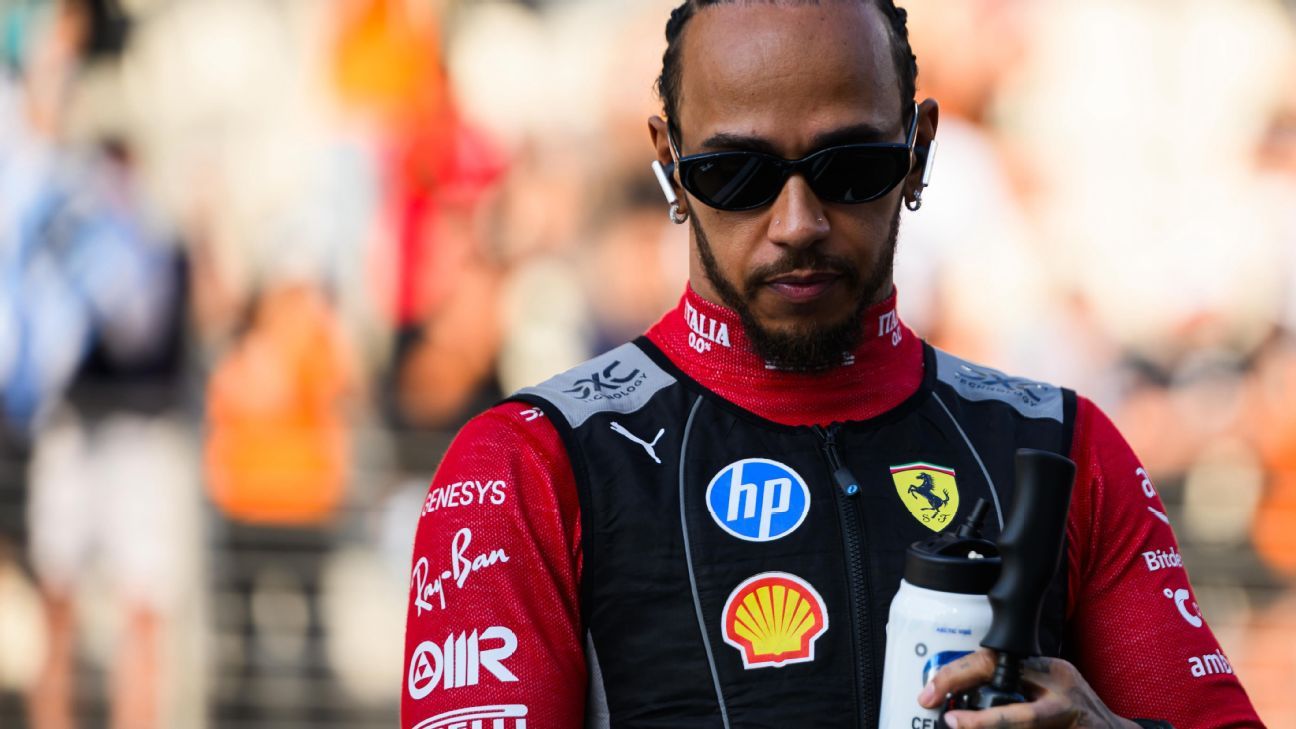
Melbourne, Australia – Seven-time Formula 1 World Champion Lewis Hamilton has ignited a conversation about the enduring legacy of colonialism in Africa, calling for a unified movement to “take Africa back” from external control. Speaking ahead of the Australian Grand Prix, the Ferrari driver, who has roots in Togo and Benin, articulated a passionate desire to see the continent empowered and realize its full potential. This call to action comes alongside his continued advocacy for an African Grand Prix, a goal he’s been pursuing for nearly a decade.
Hamilton’s remarks, delivered during a press conference in Melbourne on Thursday, resonated beyond the world of motorsport, sparking debate about neocolonialism and the ongoing economic and political influence of former colonial powers. The 41-year-aged driver didn’t shy away from naming specific nations – France, Spain, Portugal, and Britain – suggesting they continue to exert undue influence over the continent’s resources and development. His comments reflect a growing awareness among athletes and public figures about the complex historical and contemporary challenges facing Africa, and a desire to use their platforms to advocate for change. Hamilton’s advocacy extends beyond simply wanting to race on African soil; it’s a call for fundamental shifts in power dynamics.
A Long-Held Dream: Bringing Formula 1 to Africa
Hamilton’s desire to race in Africa is not modern. He has been actively lobbying Formula 1 stakeholders for the past six to seven years to include a Grand Prix on the continent. “For the past six years, maybe seven, I’ve been fighting in the background to get a grand prix… sitting with stakeholders and asking the question, ‘Why are we not in Africa?’” he stated. He emphasized the importance of representation, noting that Formula 1 currently holds races on every other continent. The push for an African Grand Prix reflects a broader effort to diversify the sport’s global footprint and tap into a growing market.
Several African nations have expressed interest in hosting a Formula 1 race. South Africa previously hosted a Grand Prix until 1993, and has been actively exploring a return to the calendar. Rwanda and Morocco are also reportedly in discussions with Formula 1 officials about potential future races, according to reports from PlanetF1. Hamilton highlighted his positive experiences traveling across the continent, specifically mentioning Kenya, Rwanda, and South Africa as potential locations. “I loved Kenya – I don’t believe we’re going to have a grand prix in Kenya – but Rwanda particularly was spectacular. South Africa is stunning,” he said.
The Historical Context: Colonialism and its Lasting Impact
Hamilton’s call to “take Africa back” is rooted in a complex history of colonialism and its enduring consequences. For centuries, European powers exerted significant political and economic control over much of the African continent, extracting resources and imposing systems that often prioritized colonial interests over the well-being of local populations. While formal colonial rule ended in the mid-20th century, many argue that its effects continue to be felt today through economic dependencies, political instability, and unequal power dynamics.
The concept of neocolonialism – the use of economic, political, cultural, or other forms of influence to control or exploit a country – is central to understanding Hamilton’s concerns. Critics argue that despite political independence, many African nations remain vulnerable to external pressures from former colonial powers and international financial institutions. This can manifest in unfair trade agreements, debt burdens, and political interference. The African Union, established in 2002, has been a key advocate for greater African integration and self-determination, aiming to promote unity and address the challenges of development and governance.
Hamilton’s Personal Connection and Broader Advocacy
Hamilton’s advocacy for Africa is deeply personal, stemming from his ancestral ties to Togo and Benin. He has spoken frequently about his pride in his African heritage and his desire to see the continent thrive. “I’ve got roots from a few different places there, like Togo and Benin. I’m really proud of that part of the world,” he said. This personal connection fuels his commitment to raising awareness about the challenges facing Africa and advocating for positive change.
Beyond his call for African unity, Hamilton has also been a vocal advocate for diversity and inclusion within Formula 1. As the sport’s first Black driver, he has faced discrimination and challenges throughout his career, and has used his platform to speak out against racism and inequality. His efforts have helped to spark a broader conversation about diversity within motorsport and beyond. In 2020, Hamilton launched the Hamilton Commission, a research project aimed at identifying the barriers preventing young people from Black backgrounds from entering STEM careers, including motorsport. The commission’s findings, published in 2021, highlighted systemic inequalities and made recommendations for addressing them.
Looking Ahead: The Future of Formula 1 in Africa
While the prospect of an African Grand Prix remains uncertain, Hamilton’s continued advocacy and the growing interest from several nations suggest that it is a possibility within the coming years. The logistical and financial challenges of hosting a Formula 1 race are significant, requiring substantial investment in infrastructure and security. Still, the potential economic benefits – including tourism revenue and job creation – could be substantial.
The Formula 1 calendar is managed by the Fédération Internationale de l’Automobile (FIA), the governing body for motorsport, and the Formula One Group, a commercial rights holder. Negotiations for new race locations are complex and involve multiple stakeholders. The 2026 Formula 1 season will see changes to the cars themselves, with new regulations aimed at improving sustainability and competition, as detailed by ESPN. Hamilton’s commitment to racing in Africa before his retirement adds a sense of urgency to these discussions. He has stated he doesn’t seek to leave the sport without having raced on the continent, emphasizing the importance of this milestone for his personal legacy.
Hamilton’s broader call for African nations to unite and reclaim control of their resources is a powerful message that resonates far beyond the world of Formula 1. It’s a call for self-determination, economic empowerment, and a more equitable future for the continent. The conversation he has sparked is likely to continue, prompting further reflection on the legacy of colonialism and the ongoing challenges facing Africa.
The next step in the pursuit of an African Grand Prix will likely involve further negotiations between Formula 1 officials and potential host nations. Updates on these discussions are expected in the coming months. We encourage readers to share their thoughts on Hamilton’s comments and the future of Formula 1 in Africa in the comments section below.
Related reading
- Ravens agree to one-year deal with C Ethan Pocic
- Slavko Vincic, scheidsrechter van WK-finale, werd gearresteerd na inval bij prostitutienetwerk: ‘We kenden hen niet eens’ – De Telegraaf
- Calls Grow to Scrap VAT on Sunscreen in Ireland (news-usa.today)
- Ruby Powers Clarifies Hydration Mixture Used by Texas Workers (world-today-news.com)