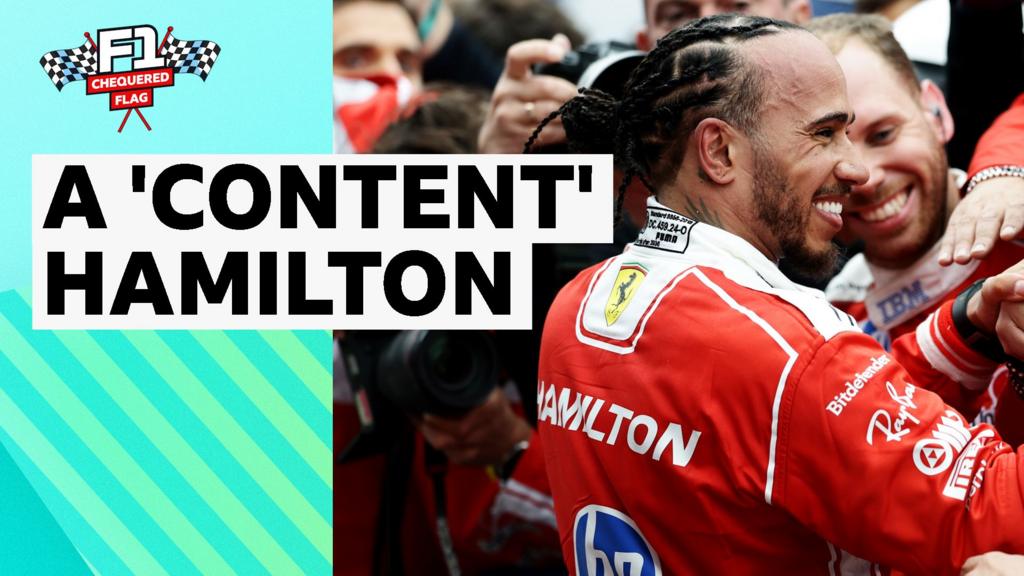
The 2024 Formula 1 season has been characterized by a relentless pursuit of perfection, yet for Lewis Hamilton and Mercedes, the path back to the front of the grid has been anything but linear. When the circus arrived in Montreal for the Canadian Grand Prix, the atmosphere was thick with speculation regarding the seven-time world champion’s final season with the Silver Arrows before his high-profile move to Ferrari in 2025. However, the weekend at the Circuit Gilles Villeneuve served as a poignant reminder of why the Italian marque is so keen to secure his services.
For Hamilton, the Canadian Grand Prix has historically been a happy hunting ground. Having secured his first-ever Formula 1 victory at the venue in 2007, his performance in 2024 offered a glimpse of the synergy between driver and machine that has been elusive for much of the current ground-effect era. The “click” that many observers noted—a sudden elevation in pace and precision—was not merely a result of favorable track conditions, but a culmination of technical refinements and a driver operating at the peak of his psychological resilience.
As we look toward the future of the sport, the narrative of Hamilton’s transition to Ferrari has dominated paddock discourse. While the official confirmation of his move was formally announced in February 2024, the Canadian race provided the first substantive evidence of how his driving style might integrate with the evolving competitive landscape. For fans and analysts alike, understanding why this specific weekend felt like a turning point requires looking beyond the stopwatch and into the technical evolution of the W15 chassis.
The Technical Synergy: Why the W15 Found Its Rhythm
The primary factor in Hamilton’s resurgence during the Canadian weekend was the introduction of a new front wing design, which Mercedes fast-tracked to the track. This development was crucial in addressing the chronic understeer that has plagued the team’s performance since the start of the 2024 campaign. According to technical analysis from the official Formula 1 portal, the update allowed for a more balanced aerodynamic platform, enabling the car to handle both high-speed transitions and low-speed traction zones with far greater stability.

For a driver like Hamilton, who relies heavily on front-end “bite” to rotate the car into corners, this update was transformative. It allowed him to attack the kerbs at the Circuit Gilles Villeneuve—a track notoriously demanding on suspension and driver confidence—without the constant fear of the rear end snapping or the front washing out. This is the “click” that observers identified: a car that finally responded to his inputs with the predictability he demands.
the cooling requirements at the Montreal circuit, combined with the Pirelli tire compounds provided for the weekend, played into the hands of the Mercedes setup. Hamilton’s ability to manage his tire temperatures during the fluctuating weather conditions of the race proved that his long-standing reputation as a master of tire management remains intact. It is this specific skill set that Ferrari team principal Frédéric Vasseur is banking on as the Scuderia prepares for the 2025 regulation cycle.
Ferrari’s Long-Term Vision and the Hamilton Factor
The conversation surrounding Hamilton’s future is intrinsically linked to Ferrari’s strategic overhaul. Since Vasseur assumed leadership of the team in 2023, the focus has shifted toward building a culture of consistency and technical excellence. The decision to sign a driver of Hamilton’s stature is not just a marketing masterstroke; it is a signal of intent to compete for the Constructors’ Championship with a driver lineup that includes Charles Leclerc.
Observers have noted that the “click” in Canada also highlighted Hamilton’s ability to adapt to a changing team environment. Despite his impending departure, the collaborative spirit within the Mercedes garage remained professional and highly focused. This level of maturity is exactly what Ferrari hopes to leverage. As reported by the Reuters news agency, Hamilton has described the move as a “childhood dream,” emphasizing that the challenge of bringing a championship back to Maranello is the primary motivation for the final chapter of his illustrious career.
The alignment of interests is clear: Ferrari needs a driver capable of extracting maximum performance from a car that has shown flashes of brilliance but lacked the consistency to challenge Red Bull Racing over a full season. Hamilton, in turn, needs an organization that is willing to invest heavily in the technical infrastructure required to return to the top step of the podium consistently. The Canadian Grand Prix served as a preview of that potential, demonstrating that even in the twilight of his time at Brackley, Hamilton remains one of the most effective drivers on the grid.
What the Canadian Performance Means for the 2024 Season
While the Canadian Grand Prix was a high-water mark for the first half of the season, the question remains whether the progress is sustainable. Mercedes has been open about their “learning phase” throughout 2024, utilizing each race weekend to gather data for their ongoing car development program. The FIA post-race documentation confirms the competitiveness of the field, with mere tenths of a second separating the top five teams in qualifying sessions.

For the remainder of the 2024 season, the focus for Hamilton will be on consistency. The “click” he found in Quebec is a foundation upon which he can build, but the competition—led by Max Verstappen and the revitalized McLaren team—is not standing still. The technical arms race continues, and Mercedes must now prove that their newfound balance is not track-specific but an inherent trait of their chassis development.
Key Takeaways from the Montreal Weekend
- Technical Validation: The new front wing assembly proved to be a significant step forward in resolving the W15’s handling balance.
- Driver Input: Hamilton’s ability to adapt his driving style to the car’s improved front-end grip was a decisive factor in his performance.
- Strategic Outlook: The weekend underscored why Ferrari is investing in Hamilton, highlighting his capacity to deliver under pressure even during a transitional phase in his career.
- Competitive Landscape: The gap between the front-runners continues to narrow, setting the stage for a highly unpredictable second half of the season.
As the Formula 1 season progresses toward its conclusion, every race provides a new data point in the evolution of the 2025 grid. While the Canadian Grand Prix is now in the rearview mirror, the lessons learned in Quebec will undoubtedly influence the development strategies for both Mercedes and Ferrari as they navigate the remainder of the year. For fans, the sight of a seven-time champion finding his groove again is a reminder that in Formula 1, the narrative is always subject to change at the next turn.
The next major milestone in the 2024 calendar will be the upcoming race weekends, where teams will introduce further aerodynamic packages designed to optimize performance for the remaining circuits. We encourage our readers to follow the official Formula 1 race calendar for the latest updates and session times. What are your thoughts on Hamilton’s trajectory as he moves toward his Ferrari tenure? Join the conversation in the comments section below and share your predictions for the final standings.