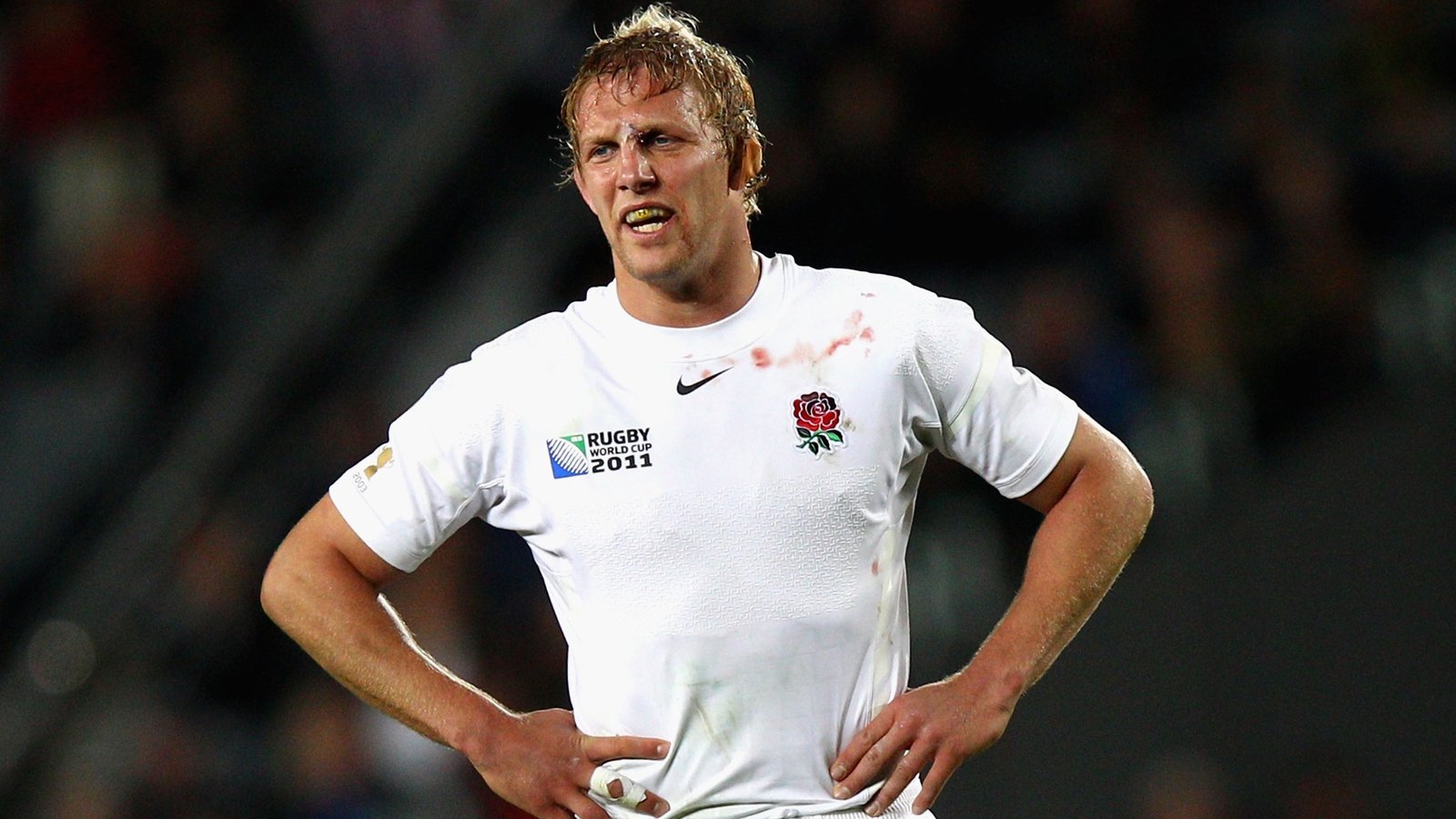
Lewis Moody Diagnosed with Motor Neurone Disease: A Rugby Legend’s Battle
Former england rugby captain Lewis Moody, a pivotal figure in the nation’s 2003 World Cup victory, has revealed his diagnosis of motor neurone disease (MND).The news, shared with the BBC on October 6th, 2024, marks a deeply personal challenge for the 47-year-old and adds to a growing list of rugby players impacted by this devastating illness. This article provides a extensive overview of the situation, Moody’s career, and the outpouring of support from the rugby community.
Understanding the Diagnosis
Moody received the diagnosis two weeks prior to his public proclamation. He described a sense of disbelief and a natural reluctance to fully confront the future implications of MND. Despite the emotional weight, Moody emphasized that he currently feels well, experiencing only minor symptoms.
* Current Symptoms: Muscle wasting in the hand and shoulder are the primary physical manifestations Moody has noticed.
* Maintaining Capability: He remains capable of performing daily activities and hopes to maintain this ability for as long as possible.
This initial stage of relative well-being is not uncommon with MND, but underscores the unpredictable nature of the disease.
A Career Defined by Grit and Glory
Lewis Moody’s rugby career spanned over a decade, marked by unwavering commitment and exceptional skill. He earned 71 caps for England and represented the British and Irish Lions five times. His club career was largely defined by success with Leicester Tigers, where he secured seven titles.
Here’s a breakdown of his key achievements:
* 2003 World Cup Winner: A cornerstone of the victorious England team in Australia.
* Lineout Specialist: Critically, Moody won the crucial lineout in the 2003 World Cup final, directly leading to Jonny Wilkinson’s winning drop goal.
* Leicester Tigers Legend: Made 223 appearances,winning two European cups alongside numerous domestic honors.
* Bath Rugby Tenure: Concluded his professional career with Bath Rugby.
his playing style was characterized by toughness, fearlessness, and a relentless work ethic, earning him respect from teammates and opponents alike.
The Rugby Community Responds
The news of Moody’s diagnosis has prompted an immediate and heartfelt response from across the rugby world.The sport has been notably affected by MND in recent years, with the losses of Doddie Weir and Rob Burrow deeply felt.
* Bill Sweeney (RFU CEO): Expressed deep sadness and highlighted Moody’s brilliance and contribution to the sport’s values.
* Andrea Pinchen (leicester tigers CEO): Emphasized moody’s commitment, warmth, and passion, both on and off the field.
* Fundraising Efforts: Former teammates Geordan Murphy and Leon Lloyd swiftly launched an online fundraiser, exceeding £1,000 within the first hour, demonstrating the community’s desire to support Moody and his family.
* Kevin Sinfield’s Legacy: The ongoing fundraising efforts spearheaded by Kevin Sinfield, in honor of Rob Burrow, continue to raise awareness and funds for MND research.
Motor Neurone Disease: A Closer Look
MND, also known as amyotrophic lateral sclerosis (ALS), is a progressive neurodegenerative disease that affects motor neurons in the brain and spinal cord. This leads to muscle weakness, wasting, and ultimately, paralysis.
* No Cure: Currently, there is no cure for MND.
* Progressive Nature: The disease progresses at varying rates, impacting individuals differently.
* Life Expectancy: Life expectancy after diagnosis is typically between two and five years, though some individuals live longer.
* Ongoing research: Significant research is underway to understand the causes of MND and develop effective treatments.
Looking Ahead
Lewis Moody’s diagnosis is a stark reminder of the challenges posed by MND. His courage in sharing his story will undoubtedly raise awareness and inspire further support for those affected by the disease. The rugby community stands united with moody and his family, offering unwavering support as he navigates this arduous journey.
Resources:
* Motor Neurone Disease Association (MNDA): https://www.mndassociation.org/
* ALS Association: https://www.alsa.org/