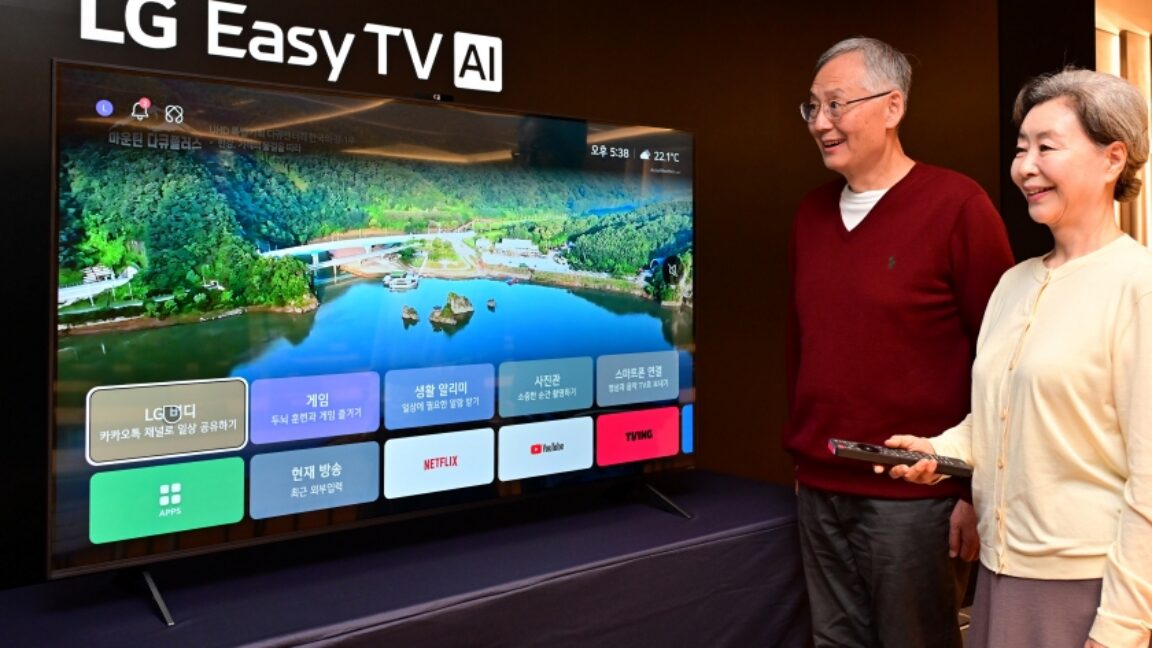
The Forgotten user: Why “Smart” TVs Are Failing Seniors – and What Should Be Done About It
The television remains a central fixture in many homes, yet the industry’s relentless push toward “smart” features is increasingly alienating a significant demographic: seniors. While tech companies tout artificial intelligence and streaming integration, they frequently enough overlook the core needs of older adults - simplicity, affordability, and privacy. This article explores why current smart TV offerings fall short for seniors and proposes a surprisingly effective solution: the return of the “dumb” TV.
The Illusion of Simplicity: Is AI Really the Answer?
LG’s recent “Easy TV” aims to address senior usability, but its approach feels misguided. A dedicated AI button on the remote, for example, seems counterintuitive. If you require near-instant technical support, you likely don’t need another layer of complex technology to navigate.
Instead of focusing on AI band-aids, manufacturers should consider a fundamental shift in strategy.You deserve a television that respects your needs, not one that assumes you want the latest gadgets.
The Streaming landscape & The Enduring Appeal of Traditional TV
Many assume seniors have fully embraced streaming. Though, the reality is more nuanced. According to Pew Research Center data, 64% of Americans age 65 and older still maintain a cable or satellite subscription.
This highlights a crucial point: seniors are the largest remaining demographic of broadcast viewers. They’ve built routines around traditional television, and disrupting that with complex interfaces isn’t necessarily a benefit.
Why “Dumb” TVs Are Actually Smart for Seniors
A “dumb” TV – a television that doesn’t connect directly to the internet – offers a surprising number of advantages:
* Simplicity: You avoid the complexities of software updates, varying brand interfaces, and endless menus.
* Affordability: Dumb TVs are significantly cheaper, a major benefit for those on fixed incomes.
* Privacy: they eliminate the concerns about data tracking and snooping that plague smart TVs. You can enjoy your entertainment without worrying about being monitored.
* Streaming Versatility: You can easily access streaming services using affordable devices like streaming sticks or connecting a laptop.
for decades, seniors successfully used these simpler televisions. They didn’t need to decipher lengthy, complicated terms and conditions written in tiny print.
The Privacy Problem with Smart TVs
Smart TVs have introduced legitimate privacy concerns. Recent reports detail how TV brands face inherent conflicts between user privacy and advertiser data demands. This is particularly troubling for seniors, who might potentially be less aware of these risks and less equipped to protect their personal information.
You shouldn’t have to become a cybersecurity expert just to watch television.
A Lucrative Untapped Market
LG recognizes the potential of the senior market. South Korea’s population of individuals aged 65 and older exceeded 10 million at the end of last year, representing 20% of the total registered population.
The company views TVs for seniors as a potential growth area,similar to its line of mobile,screen-equipped devices. However, a genuinely senior-focused TV requires more than just a slightly tweaked interface. It demands a fundamental rethinking of priorities.
Accessibility Beyond Basic Features
While some smart TVs offer accessibility features, they’re often buried within menus or difficult to activate. A TV designed for seniors should prioritize simple, readily available accessibility options.
You shouldn’t have to spend hours configuring settings just to enjoy a comfortable viewing experience.
The Bottom line: Prioritizing Needs Over Profits
Seniors would benefit more from televisions that prioritize familiarity, affordability, and privacy. Regrettably,the lucrative world of TV software ads and data tracking has shifted manufacturers’ focus.
The industry is prioritizing monetization over user experience. Ultimately, a return to simpler, more affordable, and privacy-respecting televisions would better serve a growing and often overlooked segment of the population. It’s time for TV manufacturers to remember that not everyone wants – or needs – a ”smart” TV.
Disclaimer: This article is based on information available as of September 26, 2024, and reflects analysis of industry trends and research data. Links to external sources are provided for further reading.