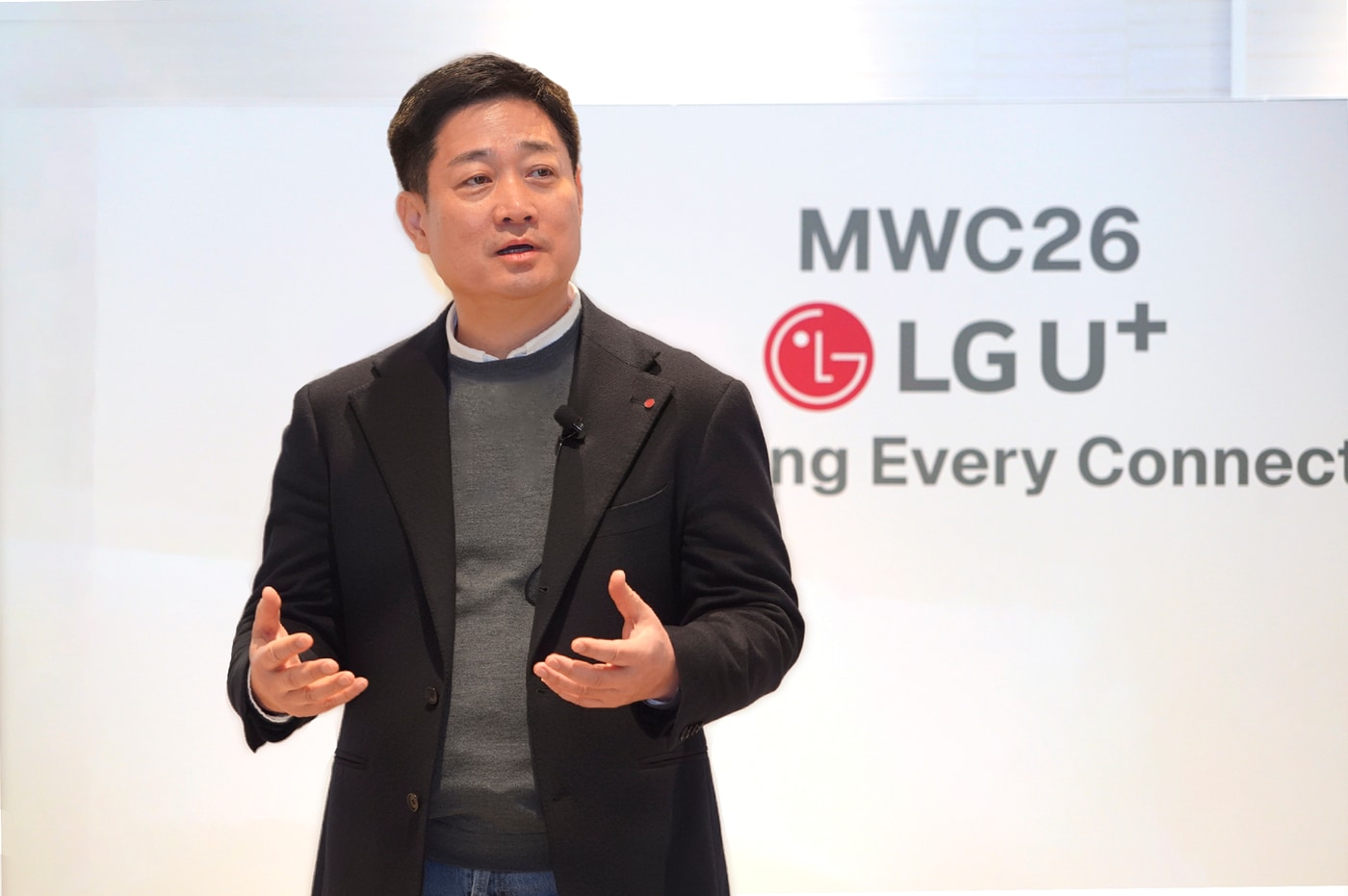
Barcelona, Spain – LG Uplus CEO Hong Bum-sik outlined a bold vision at Mobile World Congress (MWC) 2026, positioning the South Korean telecommunications company as a future global artificial intelligence (AI) software firm. The strategy centers on leveraging the company’s core strength in voice technology, particularly through its AI call agent, ixi-O, to deliver innovative communication solutions. This move signals a significant shift for LG Uplus, traditionally known for its mobile network operations, towards a software-driven future.
Hong emphasized the enduring value of voice communication in the age of AI, arguing that despite advancements in text and visual media, direct human connection through voice remains irreplaceable. This belief underpins the company’s investment in ixi-O, which is being developed as a key component of its future communication ecosystem. The CEO’s comments, delivered during a keynote address at MWC26, highlight a growing industry trend of telecommunications companies expanding into AI-powered services.
LG Uplus’s Strategic Shift: From Telecom to AI Software
The announcement comes as LG Uplus demonstrates a turnaround in its financial performance. According to reports from early 2025, the company saw its operating profit rebound after three consecutive years of decline. This positive trend is likely fueling the company’s ambition to pursue more aggressive growth strategies, including the expansion into the competitive AI software market.
Hong Bum-sik assumed the role of LG Uplus’s representative director and president in November 2024, succeeding Hwang Hyun-sik. His appointment marked a new chapter for the company, with a clear mandate to drive innovation and transform LG Uplus into a leading technology player. Prior to leading LG Uplus, Hong held key leadership positions within the LG Group, focusing on corporate strategy and business development. His background includes extensive experience in consulting and the telecommunications industry, having previously worked at companies like Monitor Group, SK Telecom, Oliver Wyman, and Bain & Company.
The Role of ixi-O in LG Uplus’s AI Strategy
Central to LG Uplus’s AI ambitions is ixi-O, its AI call agent. The company is positioning ixi-O not merely as a customer service tool, but as a foundational element of future communication. Details regarding the specific capabilities of ixi-O remain limited, but the emphasis on voice suggests a focus on natural language processing and speech recognition technologies. The development of ixi-O aligns with the broader industry trend of utilizing AI to enhance customer experience and automate communication processes.
The focus on voice is particularly noteworthy. While many AI communication solutions prioritize text-based interactions, LG Uplus believes that voice offers a more natural and engaging experience. This strategy could differentiate LG Uplus in a crowded market and appeal to customers who prefer direct human-like interaction. The company’s existing infrastructure as a telecommunications provider gives it a unique advantage in optimizing voice communication networks for AI-powered applications.
Hong Bum-sik’s Vision for Global Expansion
Hong Bum-sik’s vision extends beyond the domestic South Korean market. He aims to establish LG Uplus as a global player in the AI software space. This ambition requires significant investment in research and development, as well as strategic partnerships with other technology companies. The company will likely need to navigate complex regulatory landscapes and compete with established AI giants to achieve its goals.
The CEO’s statement, reported by News1 at MWC26, underscores the importance of “connecting people,” suggesting a human-centric approach to AI development. This philosophy could guide LG Uplus’s product development and marketing efforts, emphasizing the benefits of AI in fostering meaningful connections rather than simply automating tasks.
Challenges and Opportunities in the AI Software Market
The AI software market is highly competitive, dominated by major players like Google, Microsoft, and Amazon. LG Uplus faces the challenge of differentiating itself in this crowded landscape. However, the company’s focus on voice technology and its existing telecommunications infrastructure could provide a competitive edge. The growing demand for AI-powered communication solutions presents a significant opportunity for growth.
The success of LG Uplus’s AI strategy will depend on its ability to attract and retain top AI talent, develop innovative products, and forge strategic partnerships. The company will also need to address concerns about data privacy and security, which are paramount in the AI era. The regulatory environment surrounding AI is constantly evolving, and LG Uplus must remain compliant with all applicable laws and regulations.
Looking Ahead: LG Uplus and the Future of AI Communication
LG Uplus’s commitment to AI, as articulated by CEO Hong Bum-sik at MWC26, represents a significant strategic shift for the company. The focus on voice technology and the development of ixi-O position LG Uplus to capitalize on the growing demand for AI-powered communication solutions. The company’s success will hinge on its ability to execute its vision and navigate the challenges of the competitive AI software market.
The company’s transformation from a traditional telecommunications provider to an AI software firm is still in its early stages. However, Hong Bum-sik’s leadership and the company’s strategic investments suggest a strong commitment to this new direction. The coming years will be crucial for LG Uplus as it seeks to establish itself as a global leader in AI communication.
The next key event to watch will be LG Uplus’s first-quarter earnings report, expected in May 2026, which will provide further insight into the financial impact of its AI investments and the performance of ixi-O. We encourage readers to share their thoughts on LG Uplus’s AI strategy in the comments below.
Keep reading