Political and Economic Volatility in Australia: Liberal Defections and the Escalating Tax Debate
Australia is currently navigating a period of significant political realignment and fiscal tension, as high-profile defections from the Liberal Party signal growing fractures within the nation’s conservative landscape. This political instability coincides with a fierce parliamentary battle over taxation policy, specifically regarding the mechanics of “bracket creep” and the long-term implications of tax indexing.
As the government and the opposition trade accusations over the true cost of economic policy, the national conversation has shifted toward the intersection of inflation, tax revenue and political survival. These developments, coupled with notable disruptions in the aviation sector, underscore a broader sense of volatility affecting both the Australian political establishment and its corporate institutions.
Political Realignment: High-Profile Defections to One Nation
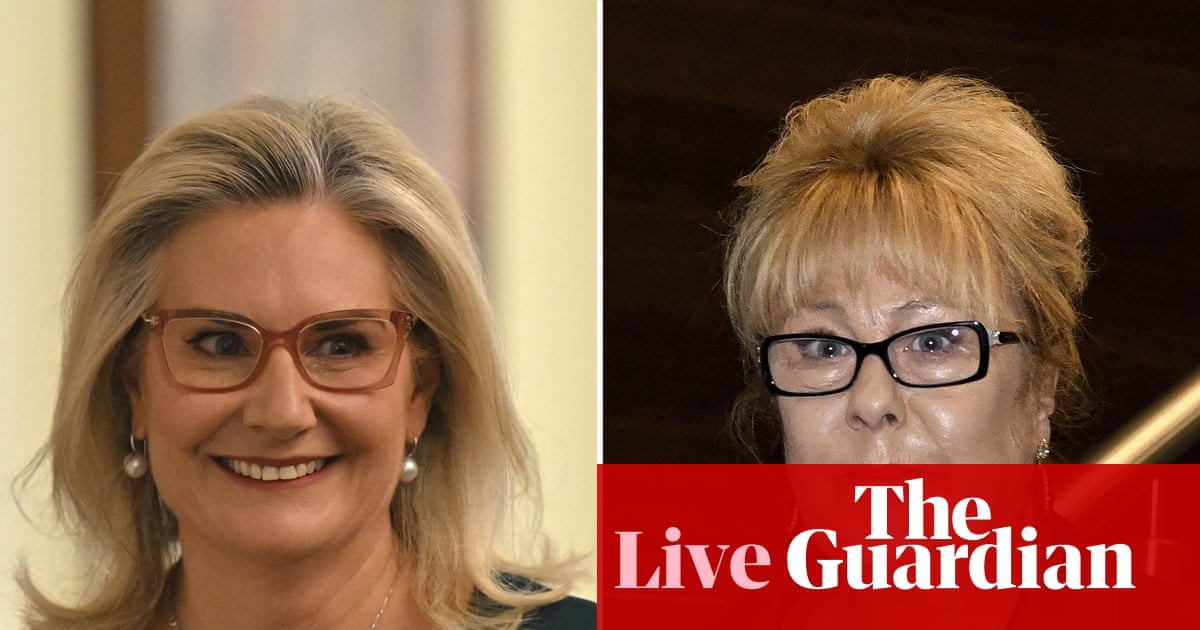
The stability of the Liberal Party has been called into question following the departure of two prominent figures to the populist One Nation party. Former New South Wales Liberal Senator Hollie Hughes and former Liberal vice-president Teena McQueen both officially defected on Saturday, marking a significant shift in the party’s internal cohesion.
The departure of Hughes and McQueen is not merely a loss of personnel but a symbolic blow to the Liberal Party’s influence. Hughes, a seasoned political figure, and McQueen, who held a senior leadership role within the party, represent a segment of the conservative base that appears increasingly drawn to the more populist platform offered by One Nation. Political analysts suggest that these defections may reflect a growing dissatisfaction among traditional Liberal voters regarding the party’s ideological direction and its ability to address specific economic concerns.
The movement of these individuals toward One Nation highlights the intensifying competition for the conservative vote in Australia. As the Liberal Party attempts to redefine its stance in a changing political climate, the rise of third-party movements poses a direct challenge to the traditional two-party dominance, potentially complicating future election cycles and legislative negotiations.
The Fiscal Tug-of-War: Indexing Tax Brackets vs. Bracket Creep
While political shifts are reshaping the halls of Parliament, a separate but equally intense conflict is unfolding over the nation’s fiscal policy. The Australian Treasury and the Opposition are currently locked in a debate over the impact of tax bracket indexing—a policy that would adjust income tax thresholds in line with inflation.
Treasurer Jim Chalmers has criticized the Opposition’s proposal to index tax brackets, arguing that such a move would have a profound impact on the national budget. According to Chalmers, the policy to index these brackets would cost the budget approximately $250 billion over the next decade. The government’s position is that the current system, while not explicitly indexed, allows the state to benefit from increased tax revenues as inflation pushes taxpayers into higher brackets.
The Shadow Treasurer, Angus Taylor, has responded by accusing the Labor government of “betraying” its own principles. Taylor argues that the $250 billion figure cited by the government is, in effect, the amount the government intends to retain through “bracket creep.” He contends that the government is essentially implementing a hidden tax hike by failing to adjust thresholds to match the rising cost of living.
Understanding “Bracket Creep” and Its Economic Implications
To understand the gravity of this debate, It’s essential to define the economic mechanism at the heart of the argument: bracket creep. Bracket creep occurs when inflation or rising wages push taxpayers into higher income tax brackets, even if their real purchasing power (their ability to buy goods and services) has not increased.
- The Mechanism: As inflation rises, nominal wages often increase to keep pace. However, if tax brackets remain static, a portion of that nominal increase is captured by the government in the form of a higher tax percentage.
- The Impact on Households: For many Australians, this can lead to a situation where they are paying more in taxes despite feeling no increase in their actual standard of living.
- The Impact on the State: For the government, bracket creep serves as a “stealth” revenue stream, providing additional funds without the need to pass new tax legislation.
The Opposition’s counter-argument focuses on the immediate fiscal impact of Labor’s current trajectory. Taylor has claimed that the government’s current plans will result in income tax increases to the tune of $35 billion. This creates a complex narrative for voters: one side warns of a massive $250 billion cost to the budget, while the other warns of a $35 billion direct increase in the tax burden on citizens.
Corporate Turbulence: The Qantas Passenger Incident
Adding to the sense of national disruption, the aviation industry has faced renewed scrutiny following a highly unusual incident involving Qantas. Reports have emerged of a passenger being removed from a flight after allegedly biting a flight attendant during a confrontation.
While specific flight details and the full extent of the attendant’s injuries have not been universally disclosed by the airline, the incident has reignited discussions regarding passenger safety and the increasing frequency of unruly behavior on commercial flights. For a major carrier like Qantas, such incidents present significant operational risks and challenges to maintaining a safe environment for both crew and passengers.
Airlines globally have been grappling with a rise in disruptive passenger behavior in the post-pandemic era. Such incidents often lead to increased security protocols, higher operational costs, and potential legal liabilities. For Qantas, managing these “zero-tolerance” situations is critical to preserving its brand reputation and ensuring the safety of its service personnel.
Key Takeaways: Australia’s Current Landscape
| Issue Area | Key Development | Primary Stakeholders |
|---|---|---|
| Political Stability | Defection of Hollie Hughes and Teena McQueen to One Nation. | Liberal Party, One Nation, NSW Voters. |
| Fiscal Policy | Debate over $250bn cost of tax indexing vs. $35bn tax hike claims. | Treasurer Jim Chalmers, Shadow Treasurer Angus Taylor. |
| Economic Concept | Rising tension over “bracket creep” and inflation-linked taxation. | Australian Taxpayers, Federal Treasury. |
| Aviation Safety | Passenger removal from Qantas flight following alleged physical assault. | Qantas, Flight Crew, Aviation Regulators. |
The convergence of these events suggests that Australia is entering a period of heightened scrutiny for both its political leaders and its major corporate entities. The ability of the government to manage inflationary pressures and the ability of the opposition to present a cohesive alternative will likely define the upcoming legislative sessions.
Next Scheduled Update: Observers will be watching the upcoming parliamentary budget replies and official statements from the Treasury for further clarification on the projected tax revenue figures and the government’s response to the indexing debate.
What are your thoughts on the current tax debate in Australia? Do you believe tax bracket indexing is necessary to combat inflation, or is the concern over “bracket creep” justified? Let us know in the comments below and share this article with your network.