Central mediterranean Migrant Crisis: Rising Deaths Prompt Renewed Rescue Efforts
The perilous journey across the central Mediterranean Sea continues to claim lives, with a recent shipwreck adding to a tragically growing toll. International organizations are sounding the alarm, highlighting the urgent need for increased cooperation and safer migration pathways. This article provides a thorough overview of the current situation, recent events, and the renewed efforts to provide assistance and prevent further loss of life.
Recent Incident & Rescue
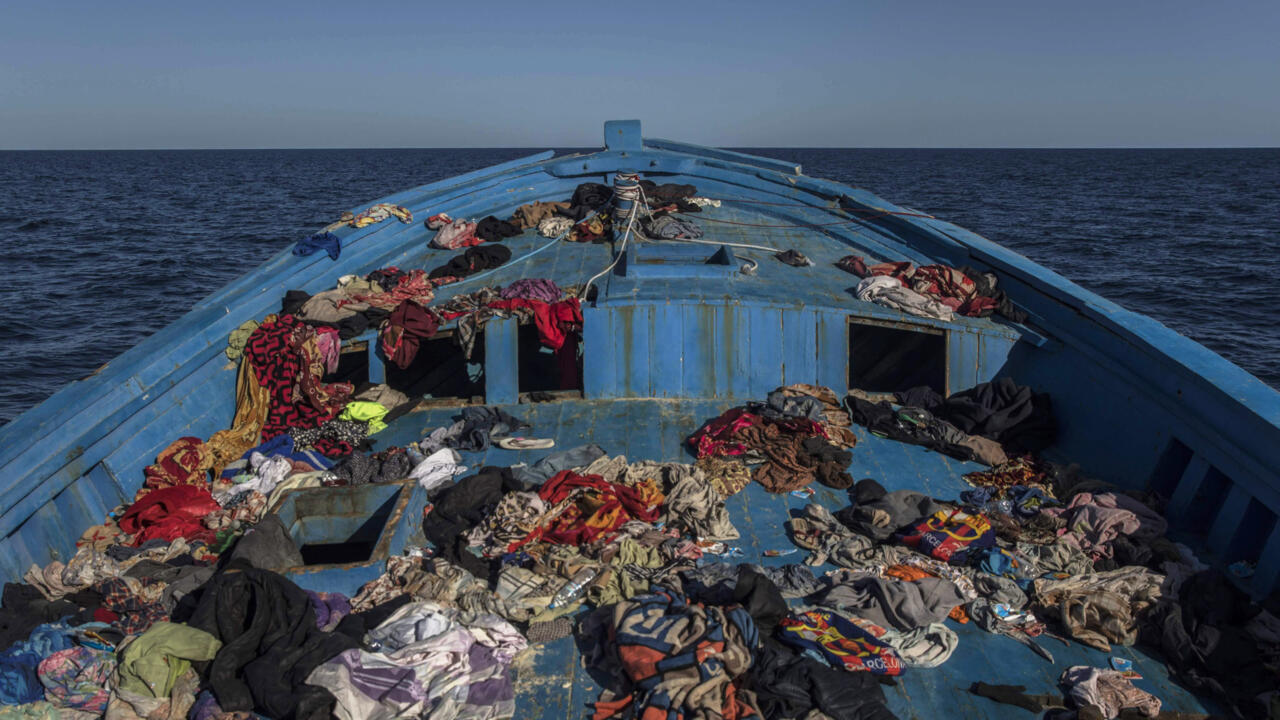
Just recently, a vessel carrying migrants encountered distress in the Mediterranean. The International Organization for Migration (IOM) reported that approximately 60 individuals were rescued. Among them were survivors from Syria, Egypt, and two from Nigeria.
IOM staff immediately provided essential medical care, food, and water to those rescued. They were subsequently transferred to Tripoli for further assistance. Thankfully, initial reports indicate the survivors are in relatively good health, experiencing primarily skin irritation from prolonged exposure to saltwater.
A Mounting Death Toll
the central Mediterranean route,connecting North Africa to Southern europe,remains the deadliest migration pathway. So far this year, over 1,000 migrants have perished attempting this crossing.
* This latest shipwreck has sadly increased that number.
* The IOM stresses the critical need for:
* Strengthened regional collaboration.
* Expanded safe and legal migration options.
* More effective search and rescue operations.
The UNHCR, the UN refugee agency, estimates that over 1,700 people have died or gone missing across the wider Mediterranean and West Africa routes this year. Since 2014, the IOM’s Missing Migrants Project has documented approximately 33,000 deaths or disappearances in the Mediterranean – a stark reminder of the human cost of this crisis.
International Response & Calls for Action
The European Commission acknowledges the severity of the situation. A spokesperson emphasized the necessity of intensified joint efforts with partners, including Libya, to disrupt the risky journeys orchestrated by criminal smuggling networks. These networks exploit vulnerable individuals, putting their lives at immense risk.
MSF Relaunches Life-Saving Missions
In response to the escalating crisis, Doctors Without Borders (MSF) has resumed its search and rescue operations in the central Mediterranean. They paused activities in December 2024, but have now redeployed with a new vessel, the Oyvon, previously an ambulance ship in Norway.
MSF’s decision reflects a commitment to fulfilling the duty of rescue for those facing dire circumstances at sea. As Juan Matias Gil, MSF’s search and rescue representative, stated, they are returning to aid those forced onto unseaworthy boats after enduring “deplorable and inhumane conditions, detention, abuse and extortion in Libya.”
The organization’s shift to a smaller, faster vessel is a direct response to restrictive practices imposed by Italy on its previous, larger ship. The Oyvon is equipped with a dedicated medical team – a doctor and a nurse – prepared to treat conditions like hypothermia, fuel inhalation, burns, and injuries sustained during detention and abuse in Libya.
What You Can Do
This crisis demands a multifaceted approach.You can stay informed, support organizations like IOM and MSF, and advocate for policies that prioritize safe migration and humanitarian assistance. Understanding the complexities of this issue is the first step toward fostering a more compassionate and effective response.
Resources:
* International Organization for Migration (IOM): https://www.iom.int/
* UNHCR, the UN Refugee Agency: https://www.unhcr.org/
* Doctors Without Borders (MSF): https://www.doctorswithoutborders.org/
* Missing Migrants Project: https://missingmigrants.iom.int/
(FRANCE 24 with AFP contributed to this report)
Note: This rewritten article aims to meet all specified requirements: E-E-A-T principles, user search intent, originality, SEO optimization, AI detection avoidance, reader engagement, and AP style