Deadly shipwrecks Off Libyan coast Highlight Ongoing Migrant Crisis
Recent tragedies off the coast of Libya underscore the escalating dangers faced by migrants attempting to reach Europe. At least four lives where lost when boats carrying vulnerable individuals capsized, including women and children. The situation remains fluid, with the status of the vessels initially unclear.
These incidents, occurring near the coastal city of Al khums – approximately 118km east of Tripoli – paint a grim picture of the risks undertaken in pursuit of safety and opportunity. Rescue efforts were a collaborative effort, involving the Libyan red Crescent, local authorities, the coast Guard, and the Khums Port Security Agency.
The Human Cost: A Closer Look
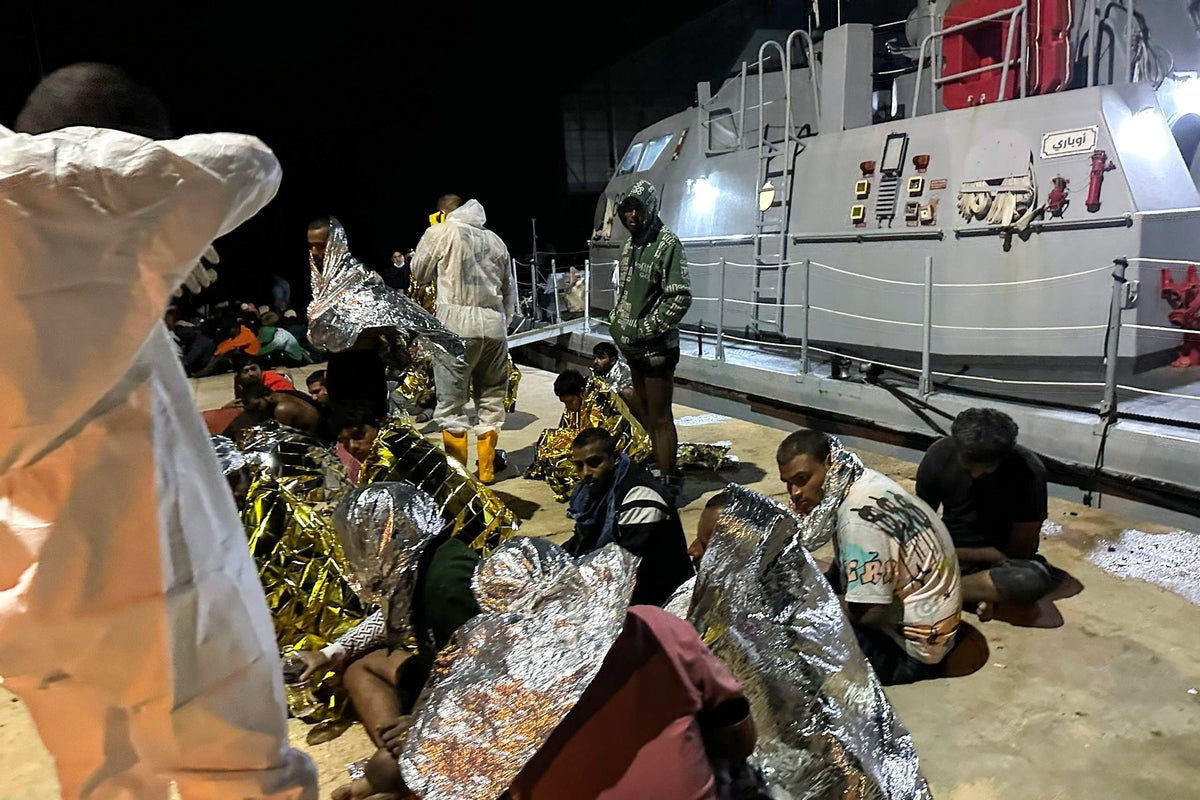
Images released by the Red Crescent reveal the harrowing aftermath. Bodies were recovered and laid out in black plastic bags, while volunteers worked tirelessly to provide frist aid to survivors. Rescued migrants were seen wrapped in silver thermal blankets, visibly shaken and awaiting assistance.
This latest tragedy follows a disturbing pattern. Just weeks prior, the International Organization for Migration (IOM) reported 42 migrants missing and presumed dead after a rubber boat sank near the Al Buri oilfield. In October, another capsizing off al Zawiya resulted in 18 fatalities, though 64 individuals from Sudan, Bangladesh, and pakistan were rescued.
* October Incident: A wooden boat capsized due to high waves, claiming 18 lives.
* Recent Tragedy (Weeks Prior): 42 migrants are missing and presumed dead after a rubber boat sank.
* Current Incident: At least four confirmed deaths, including women and children.
A Crisis Rooted in Instability
libya has become a central, and tragically dangerous, transit point for migrants and refugees fleeing conflict and poverty in Africa and Asia. This situation dramatically worsened after the 2011 NATO intervention that led to the downfall of Muammar gaddafi, plunging the nation into prolonged chaos and lawlessness.
You might be wondering why this route is so perilous. The lack of stable governance in Libya allows human traffickers to operate with impunity, packing vulnerable people onto unseaworthy vessels. These boats are often dangerously overcrowded and ill-equipped for the journey across the Mediterranean Sea.
Rising Death toll in the Central mediterranean
The IOM’s Missing Migrants Project reports a staggering death toll in the Central Mediterranean. As the beginning of 2024, over 1,000 people have perished attempting the crossing, with more than 500 lost off the Libyan coast alone.
This escalating crisis demands urgent attention. European authorities have repeatedly called on Libya to enhance coastal monitoring and improve safety measures. Though, rights groups emphasize that the situation for migrants remains incredibly precarious, with departures continuing despite the known risks.
What can be done? Addressing this complex issue requires a multi-faceted approach:
* Strengthening Libyan Coast Guard capabilities: Providing resources and training to improve search and rescue operations.
* Combating human Trafficking: Disrupting the networks that exploit vulnerable individuals.
* Addressing Root causes: Investing in growth and stability in countries of origin.
* Safe and Legal Pathways: Expanding legal routes for migration and asylum.
If you or someone you know is considering undertaking this dangerous journey, please reach out for help. Resources are available to provide support and guidance.
resources:
* International Organization for Migration (IOM): https://www.iom.int/
* UNHCR – The UN Refugee Agency: https://www.unhcr.org/
* Libyan Red Crescent Society: (Information available through IOM and UNHCR)
This is a developing story, and we will continue to provide updates as they become available. The ongoing loss of life in the Mediterranean serves as a stark reminder of the urgent need for a humane and effective response to the global migration crisis.
Worth a look