
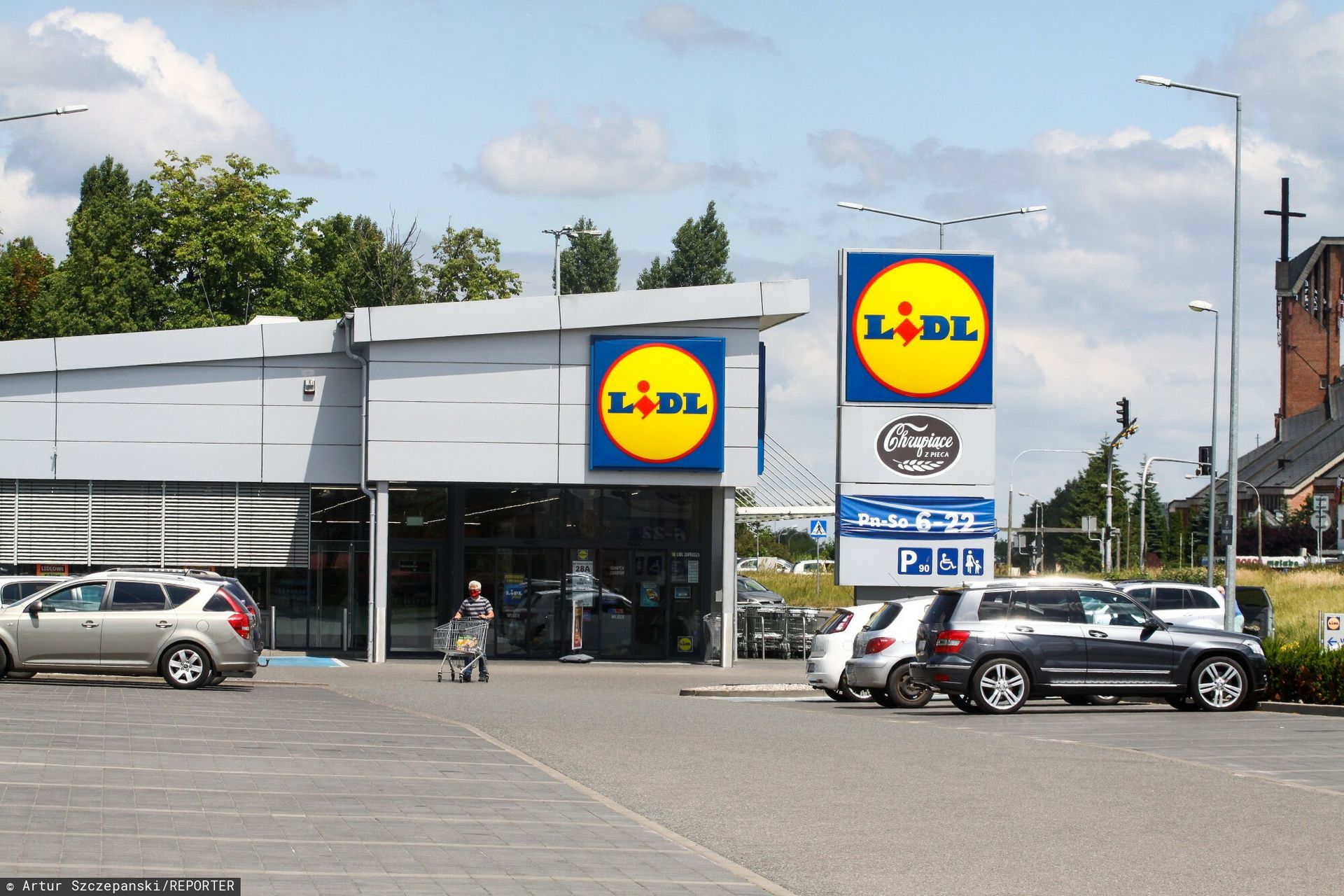
In an era where urban congestion and the scarcity of accessible parking have become significant hurdles for retail operations, global discount giant Lidl is taking a technological leap to safeguard its customer experience. The company has begun implementing a sophisticated new parking system designed to ensure that store parking lots remain available for their intended purpose: serving active shoppers.
The initiative, primarily rolling out across various locations in Poland, addresses a growing frustration among retail operators—the misuse of free parking facilities by non-customers. By integrating surveillance technology with strict time-management policies, Lidl aims to eliminate “parking abuse,” where vehicles are left for extended periods or used as commuter hubs, thereby blocking access for those intending to make a purchase.
As Chief Editor of Business at World Today Journal, I have tracked the intersection of retail logistics and consumer behavior for nearly two decades. This shift toward “smart parking” is not merely a matter of convenience; It’s a strategic economic move. For a high-volume discounter like Lidl, the turnover rate of parking spaces directly correlates with customer throughput and total daily revenue. When parking is obstructed, the friction in the customer journey increases, potentially driving shoppers toward competitors.
How the Lidl Parking System Operates
At the core of this new infrastructure is the deployment of Automatic Number Plate Recognition (ANPR) technology. These high-resolution cameras are positioned at the entry and exit points of the parking lot, capturing the registration plates of every vehicle that enters the premises. This allows the system to calculate the exact duration of a vehicle’s stay in real-time.

The system operates on a time-limit basis. While specific limits may vary slightly by location, the general objective is to prevent long-term idling. When a vehicle exceeds the permitted time window—often set to a few hours—the system flags the registration. Unlike traditional ticket-based systems, this “barrier-free” approach allows for a seamless entry for the vast majority of shoppers while providing a digital audit trail for enforcement.
To prevent the penalization of legitimate customers who may have spent more time in-store than anticipated, the system typically allows for the validation of a visit. Shoppers can often avoid penalties by providing proof of purchase or registering their vehicle via a designated system, ensuring that the benefits of the parking facility remain exclusive to those supporting the business.
Addressing the Challenge of Parking Abuse
The decision to implement such a rigorous system stems from a systemic issue facing large-scale retailers in densely populated areas. Parking lots are frequently targeted by individuals seeking free long-term parking or by commuters who leave their cars at the store to access nearby public transport or workplaces.

This phenomenon, known as parking abuse, creates a “dead zone” of occupancy. When a significant percentage of spaces are occupied by non-shoppers, legitimate customers are forced to circle the lot or, in worst-case scenarios, abandon their trip entirely. For a business model predicated on efficiency and speed, this is an unacceptable operational bottleneck.
By utilizing ANPR, Lidl can move away from the costly and often inefficient method of employing physical parking attendants to patrol lots. The digital system provides a scalable solution that operates 24/7, ensuring that the parking lot is “cleaned” of unauthorized vehicles without requiring constant human intervention.
The Economic and Legal Framework
From an economic perspective, the implementation of a Lidl parking system is an investment in “customer flow.” In retail economics, the “last mile” of the customer journey—the transition from the car to the store entrance—is critical. Any friction at this stage can negatively impact the conversion rate of potential visitors into paying customers.
However, the rollout of surveillance technology also brings legal complexities, particularly regarding data privacy. In the European Union, such systems must comply with the General Data Protection Regulation (GDPR). In other words that the collection of license plate data must be proportional to the goal of securing the parking lot and must be handled with strict data retention policies. Lidl must ensure that plate data is deleted after a set period if no violation is recorded, balancing operational security with the privacy rights of the individual.
The financial penalties for violating these parking rules are typically managed through third-party enforcement agencies or internal administrative fines. By making the cost of “abuse” higher than the cost of legitimate parking alternatives, the company creates a deterrent that naturally encourages the correct use of the facility.
Broader Trends in Retail Infrastructure
Lidl is not alone in this transition. Across Europe and North America, there is a visible trend toward the “monetization” or “regulation” of previously free retail parking. As land values rise and urban planning becomes more restrictive, the luxury of unlimited free parking is disappearing.
We are seeing a shift toward several different models:
- The Validation Model: Parking is free for the first hour, with subsequent hours charged unless a minimum spend is verified at a kiosk.
- The Permit Model: Dedicated spaces for loyalty program members or “Click & Collect” customers, enforced by cameras.
- The Deterrent Model: Similar to Lidl’s current approach, where the focus is not on generating revenue from parking, but on preventing non-customer usage through surveillance and fines.
These changes reflect a broader evolution in how retailers view their physical footprint. The parking lot is no longer seen as a passive amenity, but as an active part of the supply chain and customer acquisition strategy.
Impact on the Consumer Experience
For the average shopper, the introduction of ANPR cameras is largely invisible—until they overstay their welcome. The primary benefit is the increased likelihood of finding a spot quickly, which reduces the stress of the shopping trip. However, for those who use the store as a convenient stop-off point for other errands, the new system introduces a layer of risk.
The success of this system depends on clear communication. Retailers must ensure that signage is prominent and that the rules are unambiguous. If a customer is penalized without clear warning, the resulting negative sentiment can outweigh the operational benefits of a clear parking lot. Transparency regarding the time limits and the process for validating a purchase is essential to maintaining brand loyalty.
the integration of these systems with mobile apps could be the next step. Imagine a scenario where a customer’s app automatically notifies the parking system upon entry, granting them a pre-approved window of time based on their shopping habits or loyalty status. This would further refine the efficiency of the retail environment.
As we move toward more integrated “smart cities,” the coordination between private retail parking and public transit will become even more critical. Lidl’s move is a signal that the era of the “unmanaged” parking lot is coming to an end, replaced by data-driven management that prioritizes the paying customer over the casual user.
The next confirmed checkpoint for these implementations will be the continued expansion of the system into additional regional hubs and the potential update of store policies to align with evolving local transport regulations. We will continue to monitor how these technological shifts impact consumer spending patterns and retail accessibility.
Do you believe retailers should have the right to monitor parking lots via ANPR, or does this cross a line into excessive surveillance? Share your thoughts in the comments below.