Riga, Latvia – As spring approaches, the Latvian Ethnographic Open-Air Museum is preparing to host its annual Great Easter Celebration (Lielā Lieldienu svinēšana) on April 5, 2026. The event promises a vibrant display of Latvian traditions, crafts, and culinary delights, offering a unique cultural experience for visitors of all ages. The museum, one of the oldest and largest open-air museums in Europe, established in 1924, will transform into a bustling hub of activity, showcasing the rich heritage of the country’s Easter celebrations.
The Great Easter Celebration is deeply rooted in the blending of pagan and Christian traditions, a historical phenomenon reflected in Latvian culture. The day will begin with a church service at the Usma Lutheran Church, setting a spiritual tone for the festivities. Throughout the day, the Kurzemes zvejnieku ciema (Kurzeme Fisherman’s Village) meadow will be alive with traditional Easter activities, including egg decorating and rolling, ancient games, and creative workshops for children. This event offers a captivating glimpse into the customs that have shaped Latvian identity for generations.
A Day Filled with Tradition and Festivities
The museum’s program is packed with engaging activities designed to immerse visitors in Latvian Easter traditions. At 11:00 AM, the Sigulda folklore group “Senleja” will share the traditions of Great Day, offering insights into the cultural significance of the holiday. Shortly after, at 12:00 PM, a children’s play titled “Labs, kas labi beidzas” (“The Good That Ends Well”) will take the stage, providing entertainment for younger attendees. The afternoon will continue with dancing and games led by the ethno-company “Zeidi” at 1:00 PM, followed by spring gaviles (traditional spring songs and rituals) performed by the Ropažu folklore group “Oglīte” starting at 2:00 PM.
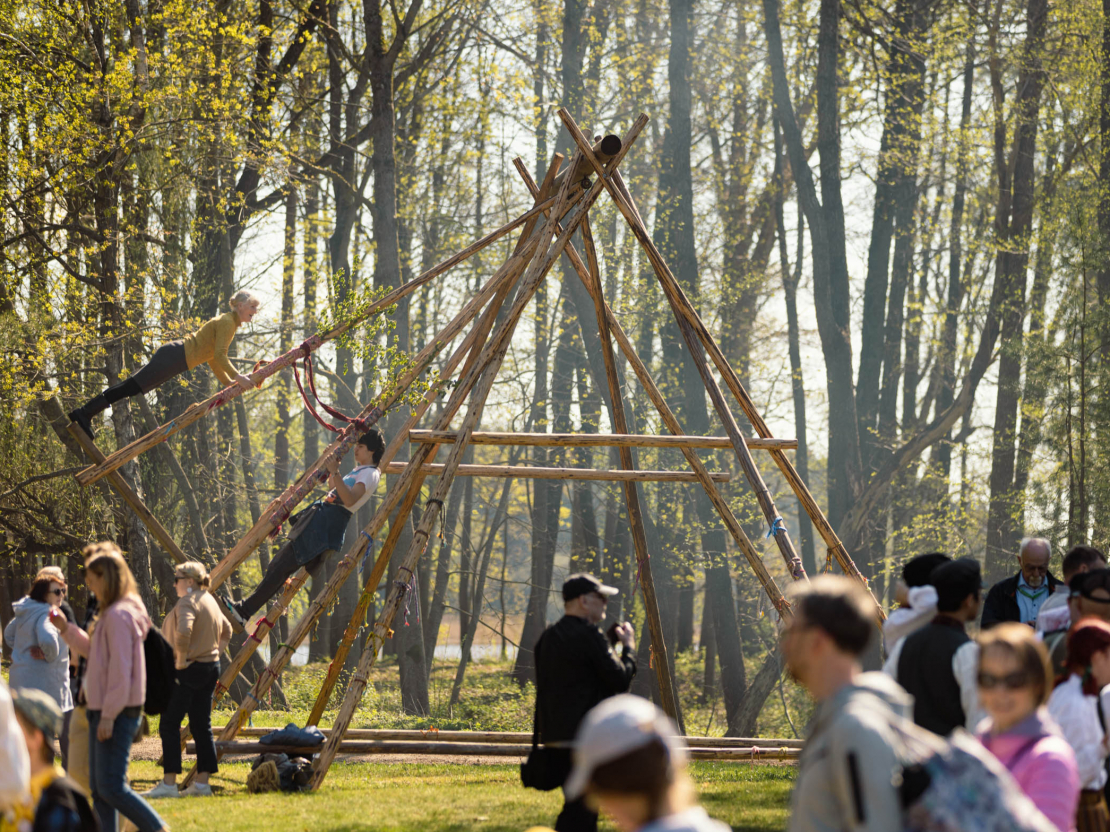
Visitors will also have the opportunity to explore traditional Latvian farmsteads, including the “Mauru” farm, where they can view garauši – traditional Latvian wooden swings. A bustling Easter market will offer a wide array of handmade crafts and locally produced food items, providing a chance to support local artisans and sample authentic Latvian flavors. The museum’s exhibition hall will also host a special exhibition celebrating the 60th anniversary of the Riga TLMS “Rota” and TLMS “Plastika” organizations, titled “Pasaules līkločos” (“In the Curves of the World”).
The Symbolism of Easter Traditions
Central to Latvian Easter traditions is the symbolism of light overcoming darkness, marking the arrival of spring and the renewal of life. The act of swinging, a prominent feature of the celebration, is deeply connected to this symbolism. According to Latvian folklore, swinging is a ritualistic attempt to reach the sun, stimulating the forces of rebirth and fertility in both nature and humankind. It was believed that the sun itself swung on Easter morning, a belief that gave rise to the tradition of swinging during the holiday. The Latvian Ethnographic Open-Air Museum highlights that swinging is also seen as a harmonizing activity, encompassing both upward and downward movements, representing a balance between forces.
Beyond swinging, traditional beliefs associate various benefits with participating in Easter rituals. It was thought that those who swung extensively would be protected from mosquitoes and gnats during the summer months, while farmers and shepherds were encouraged to swing to ensure the health and productivity of their livestock. These beliefs underscore the deep connection between Easter traditions and the agricultural cycle, reflecting a reverence for nature and the hope for a bountiful harvest.
A Glimpse into the Museum’s History
The Latvian Ethnographic Open-Air Museum, covering 87 hectares and featuring 114 historic buildings from across Latvia, serves as a living testament to the country’s rural past. Established in 1924, the museum’s mission encompasses the preservation, research, and educational presentation of Latvian cultural heritage. In addition to the main museum grounds, the museum also maintains two rural expositions in their original locations: the “Vēveri” museum in Vecpiebalga parish and the fisherman’s homestead “Vītolnieki” on the coast of Rucava parish.
Easter Baking Workshop on March 21st
In anticipation of the main Easter celebration, the museum hosted a special Easter baking workshop on March 21, 2026, at the Priedes krogs (Pine Tavern). The event invited families to learn the art of making traditional Latvian Easter treats, including egg pies (olu pīrāgi) and round, floral-shaped Easter breads (Lieldienu rauši) in a traditional wood-fired oven. This workshop provided a hands-on experience of Latvian culinary traditions, allowing participants to connect with the cultural significance of food during the Easter season. The workshop required pre-registration due to limited space, and was located a 20-minute walk from the museum entrance.
Traditional Easter meals in Latvia center around painted eggs, symbolizing fertility and rebirth, alongside dishes like beans, peas, and pitas (a type of potato pancake). Round Easter breads and floral-shaped rauši are also integral to the feast, representing the sun and its life-giving energy. The baking workshop offered a chance to create these symbolic foods, celebrating the arrival of spring and the triumph of light over darkness.
The Great Easter Celebration at the Latvian Ethnographic Open-Air Museum promises to be a memorable event, offering a rich cultural experience for visitors. The museum’s commitment to preserving and showcasing Latvian traditions ensures that these customs will continue to be cherished for generations to come. The event provides a unique opportunity to step back in time and experience the vibrant heritage of Latvia’s Easter celebrations.
The museum will continue to host events throughout the spring and summer months. For updates on future events and exhibitions, please visit the Latvian Ethnographic Open-Air Museum’s official website. We encourage readers to share their experiences and photos from the Great Easter Celebration in the comments below.