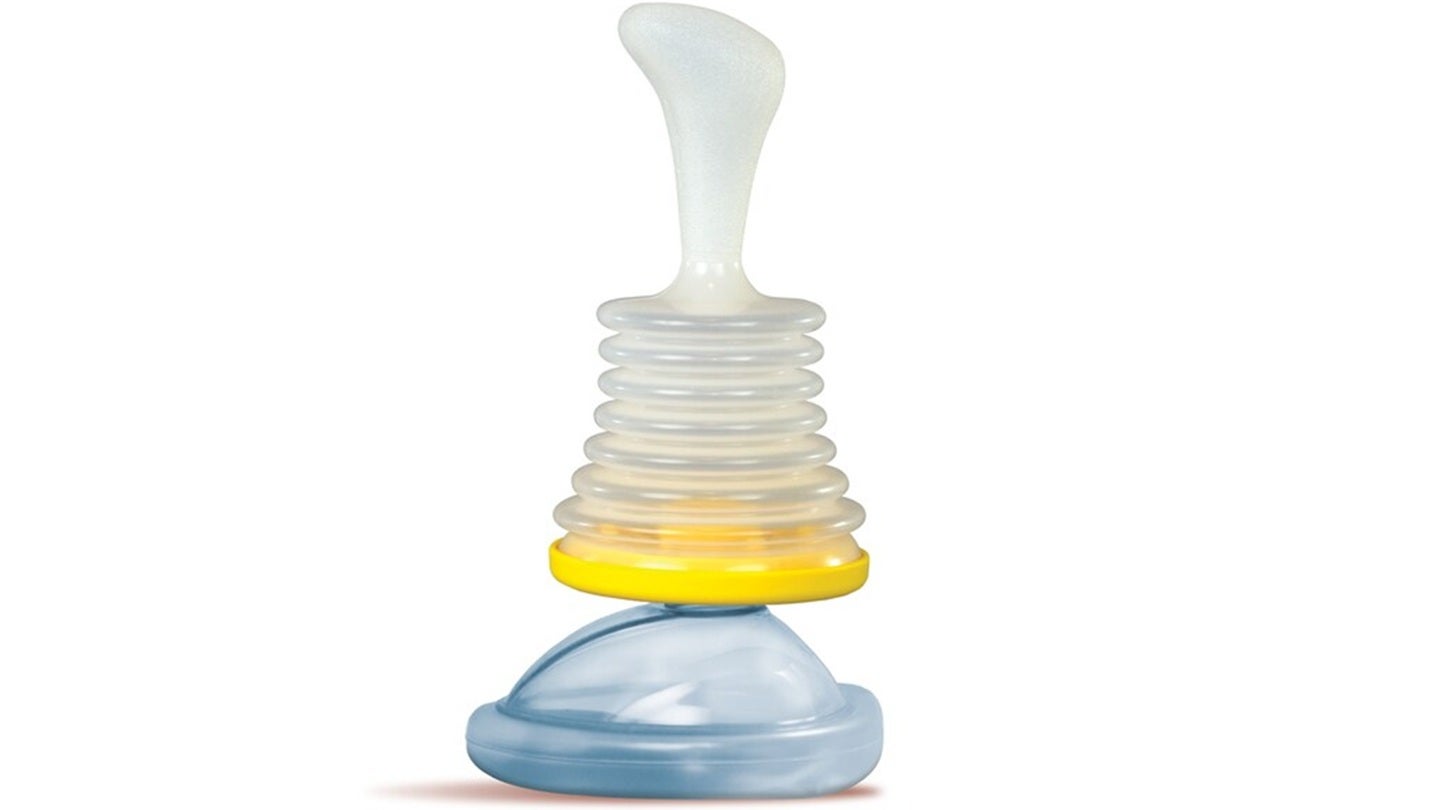
LifeVac Receives FDA Authorization as Second-Line Choking Treatment
In a significant step for airway obstruction management, LifeVac LLC has announced that its suction anti-choking device has received De Novo classification from the U.S. Food and Drug Administration (FDA). This landmark authorization, granted under 21 CFR 874.5400, establishes a new device type – “suction anti-choking device as a second-line treatment” – and classifies LifeVac as a Class II medical device. The decision offers a potentially life-saving option for individuals experiencing complete airway obstruction when initial attempts to dislodge the obstruction have failed.
The FDA’s authorization signifies a crucial advancement in emergency medical response. Currently, basic life support (BLS) protocols, such as the Heimlich maneuver, are the first line of defense against choking. However, these methods are not always effective. LifeVac is designed to be used *after* these initial protocols have been unsuccessful, providing an additional tool for rescuers. This classification provides a clear regulatory pathway for suction anti-choking devices, ensuring both safety and efficacy for patients.
What is LifeVac and How Does it Perform?
LifeVac is a non-powered, non-invasive, single-use-only airway clearance device intended to resolve choking in adults and children aged one year and older. According to the FDA, the device works by applying suction to dislodge an object blocking the airway. Unlike traditional methods that rely on manual compression, LifeVac utilizes a one-way valve system to create a vacuum, drawing the obstruction upwards. The device can be administered by both laypersons and medical professionals, making it suitable for use in a variety of settings, including homes, nursing homes, restaurants, and schools.
Arthur Lih, Founder and CEO of LifeVac, emphasized the importance of this classification, stating, “As stated in the order, LifeVac is intended to be used after a BLS choking protocol fails. This classification creates a clear regulatory framework for suction anti-choking devices used as a second-line treatment.” This clarification is vital, as the FDA explicitly states that LifeVac is not intended to replace established BLS procedures, but rather to serve as a supplementary measure when those procedures are ineffective.
FDA’s Rigorous Review Process
The FDA’s De Novo classification process is reserved for novel medical devices that present a reasonable assurance of safety and effectiveness but do not fit into existing regulatory categories. The agency determined that Class II classification, combined with general and special controls, provides sufficient assurance for LifeVac’s intended use. This means the device underwent a thorough evaluation to ensure it meets specific performance standards and labeling requirements. The FDA’s decision is based on evidence demonstrating the device’s ability to effectively clear airway obstructions when used correctly, following failed BLS attempts.
The FDA’s review considered the device’s design, materials, and manufacturing processes, as well as clinical data and labeling information. The agency also assessed the potential risks associated with the device and determined that these risks are outweighed by the benefits of providing an additional option for treating choking emergencies. The De Novo classification allows LifeVac to immediately market the device as described in its request, subject to ongoing compliance with FDA regulations.
Global Regulatory Approvals and Registration
Beyond the FDA authorization, LifeVac has also secured registration with regulatory agencies in other countries, demonstrating its commitment to international safety standards. The company is registered with the Australian Register of Therapeutic Goods (ARTG) and the Medicines and Healthcare products Regulatory Agency (MHRA) in the United Kingdom, allowing for its distribution and use in those regions. LifeVac’s website details these international approvals.
Understanding the Importance of Choking Response Protocols
Choking remains a significant cause of accidental death and injury worldwide. According to the American Heart Association, quick and effective intervention is crucial in preventing severe complications, including brain damage and death. The standard BLS choking protocol involves a combination of back blows and abdominal thrusts (Heimlich maneuver). However, these techniques are not always successful, particularly in cases involving children, obese individuals, or those with certain medical conditions. LifeVac aims to address this gap by providing an alternative method for clearing the airway when traditional techniques fail.
The FDA’s authorization of LifeVac underscores the importance of having multiple tools available for responding to choking emergencies. While BLS protocols remain the first line of defense, LifeVac offers a potentially life-saving option for situations where those protocols are insufficient. Training and education on proper choking response techniques, including the use of LifeVac when appropriate, are essential for empowering individuals to respond effectively in emergency situations.
What Does This Imply for the Future of Emergency Care?
The FDA’s De Novo classification of LifeVac could pave the way for the development and approval of other innovative airway clearance devices. By establishing a clear regulatory framework for this type of technology, the agency has created a pathway for manufacturers to bring new and potentially life-saving products to market. This decision also highlights the FDA’s commitment to fostering medical innovation and improving patient outcomes.
As LifeVac becomes more widely available, it is likely to become an increasingly common sight in public spaces, such as schools, restaurants, and healthcare facilities. However, it is important to remember that LifeVac is not a substitute for proper training in BLS choking protocols. Individuals should continue to learn and practice these techniques to ensure they are prepared to respond effectively in a choking emergency. The device is intended to be used *after* standard protocols have been attempted and have failed.
The FDA’s decision regarding LifeVac represents a significant advancement in the field of emergency medical care. By providing a new tool for addressing choking emergencies, the agency has taken a step towards improving patient safety and potentially saving lives. As the device becomes more widely adopted, it is crucial that individuals receive proper training on its use and understand its role as a second-line treatment option following established BLS protocols.
Looking ahead, LifeVac LLC will continue to work with the FDA to ensure ongoing compliance with regulatory requirements and to explore opportunities for expanding the device’s availability and applications. The company is committed to providing healthcare professionals and the public with a safe and effective tool for managing choking emergencies. Further updates on LifeVac’s availability and clinical applications will be available on the company’s website and through official FDA announcements.
Stay informed: For the latest information on LifeVac and choking safety protocols, please visit the LifeVac website and the U.S. Food and Drug Administration website.
Do you have experience with choking rescue or have thoughts on this new device? Share your comments below, and help us continue the conversation about emergency preparedness.
Keep reading