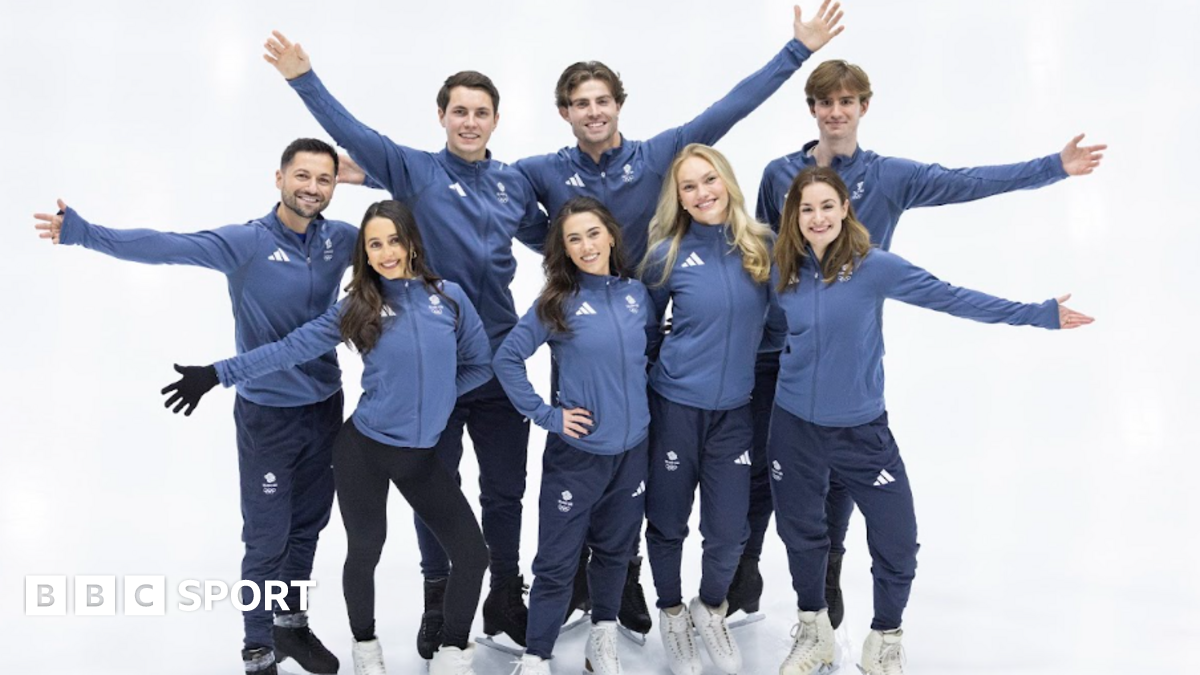
The Enduring Legacy of British Ice Dance: From Torvill & Dean to the 2026 Milano Cortina Games
The thrill of ice dance, with its blend of athleticism, artistry, and captivating storytelling, continues to resonate with audiences worldwide. From the iconic gold medal performance of Torvill and Dean in Sarajevo 1984, watched by a staggering 23 million viewers in the UK, to the contemporary ambitions of Team GB‘s latest hopefuls, British ice dance has a rich history and a promising future. As we look ahead to the 2026 Milano Cortina Winter Olympics, the dedication and evolution of this discipline are more apparent than ever. This article delves into the captivating world of ice dance, exploring its past meaning, current landscape, and the exciting prospects for British skaters on the international stage.
A Golden Past: The Torvill & Dean Effect
The 1984 Sarajevo Olympics weren’t just a sporting event; they were a cultural phenomenon.Jayne Torvill and Christopher dean’s breathtaking interpretation of Ravel’s Boléro transcended the sport, captivating a nation and setting a new standard for artistic expression on ice. Their performance wasn’t merely about technical skill - it was about emotion, innovation, and a connection that resonated deeply with viewers. This victory wasn’t an isolated incident; they later added a bronze medal at the 1994 Lillehammer Games, demonstrating sustained excellence.
Did You Know? The impact of Torvill & Dean was so profound that it led to a surge in interest in ice skating across the UK, with skating rinks reporting record numbers of visitors in the years following their Olympic triumph.
The “Torvill & Dean effect” continues to inspire generations of skaters. Their legacy isn’t just about medals; it’s about pushing boundaries, embracing creativity, and demonstrating the power of partnership. They proved that figure skating,and specifically ice dance,could be a truly artistic endeavor.
The Modern Landscape of Ice Dance: Evolution and Competition
Today’s ice dance is a far cry from the early days, though the core principles of artistry and athleticism remain. The International Skating Union (ISU) has continually refined the judging system, placing greater emphasis on programme component scores (PCS) – elements that assess skating skills, transitions, performance, composition, and interpretation.This shift rewards skaters who not only execute technically challenging elements but also deliver compelling and emotionally resonant performances.
The competitive landscape is dominated by powerhouses like Canada, the United States, and Russia (competing under the ROC flag in recent events due to sanctions).though, British skaters are steadily closing the gap.The 2022 Beijing Olympics saw a renewed focus on developing British talent, and this investment is beginning to bear fruit.
| Country | Olympic Ice Dance Medals (2018-2022) | World Championship Titles (2021-2024) |
|---|---|---|
| Canada | 1 Gold | 1 |
| USA | 1 Silver | 1 |
| ROC (Russia) | 1 Gold | 2 |
| France | – | 1 |
Team GB’s Rising Stars: Fear & Gibson and the Road to Milano Cortina 2026
The selection of a large Team GB squad for the 2026 Milano Cortina Winter Olympics – the largest in nearly 40 years - signals a significant investment in British winter sports. At the forefront of this exciting new era are ice dancers Guillaume Cizeron and Gabriella Papadakis, and the British duo of Guillaume fear and Kristen Gibson.
“Being selected for Milano Cortina 2026 is incredibly special,” shared 26-year-old Fear. “We’ve grown so much since Beijing (in 2022), and to come into this season with the momentum we’ve built feels really meaningful.” Gibson, 31, echoed this sentiment, stating, “This is a huge honor and a moment we’ve
Related reading