
A persistent region of cooler-than-average sea surface temperatures in the North Atlantic, often referred to by oceanographers as the “cold blob,” is currently challenging global warming trends. While the majority of the world’s oceans have experienced record-breaking heat, this specific area south of Greenland remains stubbornly cold, a phenomenon that researchers suggest could influence regional weather patterns and potentially intensify heatwaves in surrounding landmasses.
The North Atlantic has seen significant temperature fluctuations, with this “cold patch” becoming a focal point for studies regarding the Atlantic Meridional Overturning Circulation (AMOC). This system of ocean currents acts as a global conveyor belt, transporting warm water from the tropics to the North Atlantic. Scientists hypothesize that a slowdown in this circulation, potentially linked to increased freshwater influx from melting Arctic ice, may be preventing the usual distribution of heat into this specific region.
Understanding the North Atlantic Cold Anomaly
The “cold blob” is not a literal physical object but a persistent thermal anomaly identified in sea surface temperature maps. While the global average temperature of the ocean has been rising consistently, this patch south of Greenland has buckled the trend. Such regional anomalies are often tied to disruptions in deep-water formation, where cold, salty water sinks to the ocean floor to drive the AMOC.
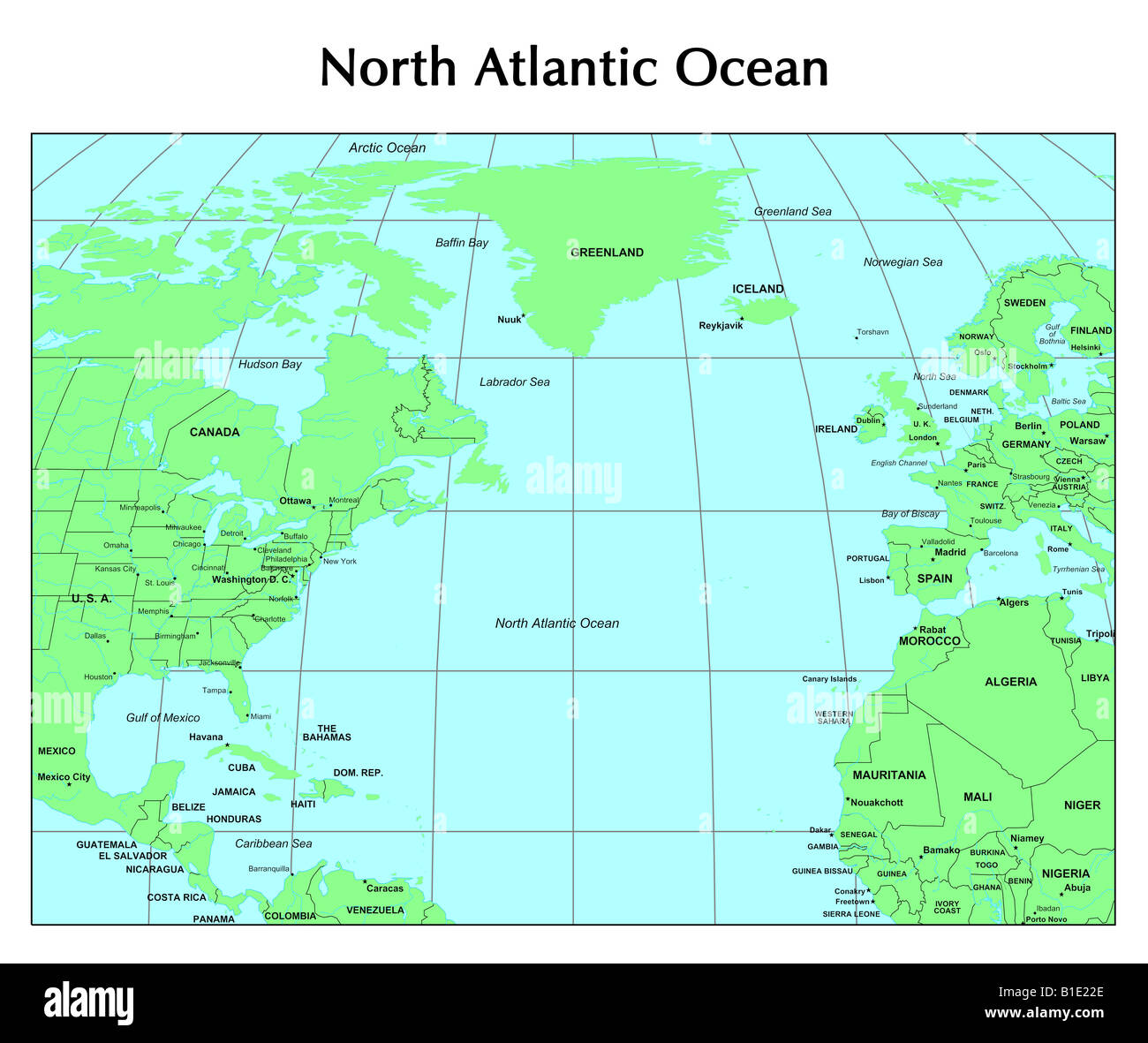
The cooling effect is primarily driven by the balance between atmospheric heat and oceanic heat transport. When the AMOC weakens, less warm water reaches the North Atlantic, leading to a localized cooling effect. These records indicate that the anomaly has fluctuated in intensity but has remained a consistent feature of the North Atlantic climate profile for several years.
Potential Links to Extreme Weather
The existence of this cold region creates a stark temperature gradient between the North Atlantic and the surrounding warmer waters. Meteorologists suggest that these sharp temperature contrasts can significantly alter the path of the jet stream, the high-altitude wind currents that dictate weather patterns across North America and Europe. Shifts in the jet stream can lead to “blocking” patterns, where weather systems become stationary for extended periods.

These stationary systems are frequently associated with extreme weather events, including prolonged heatwaves and intense precipitation. By trapping high-pressure systems over specific regions, the atmospheric response to the North Atlantic cold anomaly may exacerbate heatwaves on land. While the direct causal link between the “cold blob” and a specific heatwave remains a subject of ongoing climate modeling, the correlation between sea surface temperature gradients and atmospheric instability is a focus of research.
Why the Ocean Currents Matter
The stability of the AMOC is essential for maintaining the current global climate equilibrium. The influx of freshwater, primarily from the Greenland Ice Sheet, reduces the salinity of the North Atlantic. Because freshwater is less dense than saltwater, it does not sink as efficiently, which may lead to a weakening of the vertical circulation that drives the ocean’s conveyor belt. This process, known as freshening, is a primary area of concern for oceanographers.
The rate of ice sheet melt remains a critical variable in predicting future changes to this circulation. The interaction between melting ice, salinity levels, and ocean temperature is complex, requiring continuous monitoring through buoy networks and autonomous underwater vehicles. These data points are vital for improving the accuracy of climate models that predict how the Atlantic will respond to continued global warming.
Future Monitoring and Scientific Consensus
The scientific community continues to study the “cold blob” to determine whether it represents a temporary fluctuation or a long-term shift in ocean dynamics. These assessments rely on the continued collaboration of international meteorological and oceanographic agencies to ensure that climate models remain grounded in verified, real-time data.
For those interested in tracking current ocean temperatures and climate anomalies, resources provide public access to satellite data and climate monitoring tools. Readers are encouraged to monitor official channels for the most accurate and up-to-date information regarding North Atlantic climate developments. Please feel free to share your thoughts or questions in the comments section below as we continue to track this evolving climate story.
Keep reading