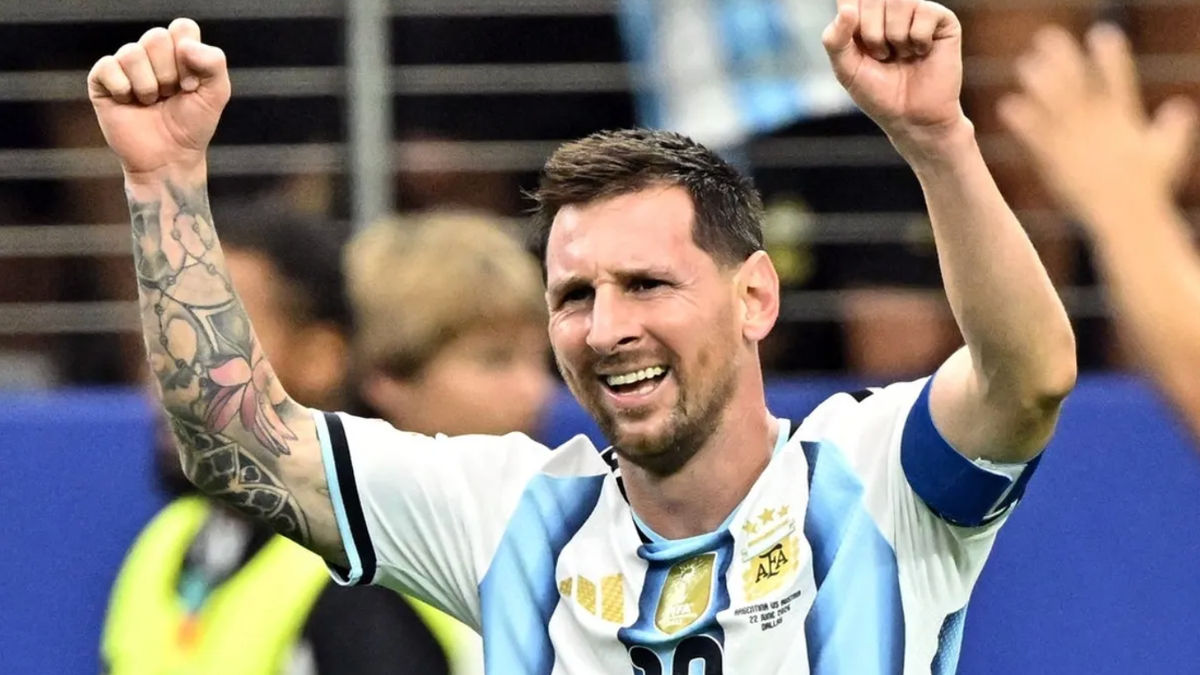
Lionel Messi’s sustained performance at the FIFA World Cup, culminating in his record-breaking tally of 13 goals across five tournaments, has solidified a transition toward a new era of attacking football defined by individual brilliance and high-scoring output. Alongside stars like Kylian Mbappé, who secured the Golden Boot in 2022, and emerging talents such as Lamine Yamal, these players are shifting the tactical landscape of international competition. According to official FIFA tournament statistics, the 2022 edition in Qatar set a record for the highest-scoring World Cup in history with 172 goals, a testament to the offensive-heavy shift led by this generation of forwards.
As the Sports Editor here at World Today Journal, I have spent over a decade documenting the evolution of professional football, from the tactical rigidity of the early 2010s to the fluid, high-pressing environments that define today’s game. The current era is characterized by a reliance on players who can operate as both creators and finishers, a trait shared by the veteran Messi and the younger generation of icons currently ascending the world stage.
The Statistical Legacy of Lionel Messi
Lionel Messi’s achievement of 13 World Cup goals stands as a landmark in football history, placing him ahead of legendary figures such as Pelé and Just Fontaine. Following Argentina’s victory in the 2022 final, Messi became the first player to score in every round of a single World Cup—from the group stage through to the knockout phases—a feat verified by Guinness World Records. This longevity is rare in modern sports, where the intensity of the schedule often leads to rapid physical decline. Messi’s ability to adapt his role from a pure winger to a playmaker who dictates the rhythm of the game has allowed him to remain effective well into his mid-30s.
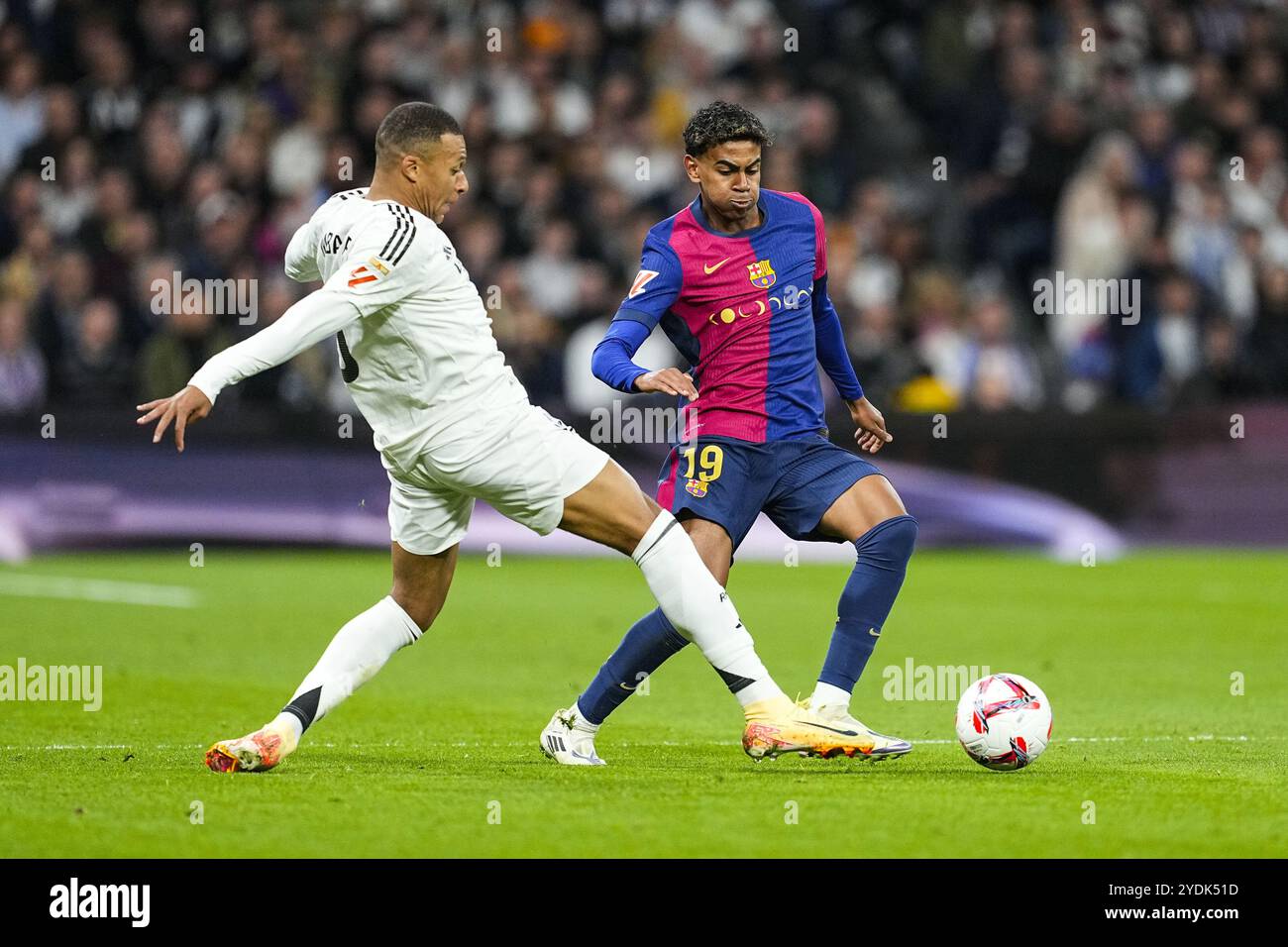
This longevity provides a bridge between the era of traditional tactical structures and the current demand for high-output attacking play. While critics once questioned whether Messi could sustain his impact on the international stage, his performance in Qatar proved that tactical intelligence often supersedes raw physical speed in the later stages of a career.
Kylian Mbappé and the New Offensive Standard
If Messi represents the pinnacle of sustained excellence, Kylian Mbappé stands as the benchmark for the new era of explosive, high-scoring forward play. Mbappé’s hat-trick in the 2022 World Cup final was the first such performance in a final since 1966, an achievement documented by Reuters. His style—defined by blistering pace and clinical finishing—has become the blueprint for national teams looking to capitalize on quick transitions.
The reliance on such forwards has forced defensive units to adapt, often resulting in higher-scoring matches. The influence of players like Mbappé is not merely limited to his goal count; his ability to draw multiple defenders creates space for teammates, a tactical dynamic that coaches are increasingly integrating into their national team setups. This shift toward “positionless” attacking, where forwards rotate frequently to disrupt defensive lines, is a hallmark of the current international game.
The Rise of Next-Generation Talent
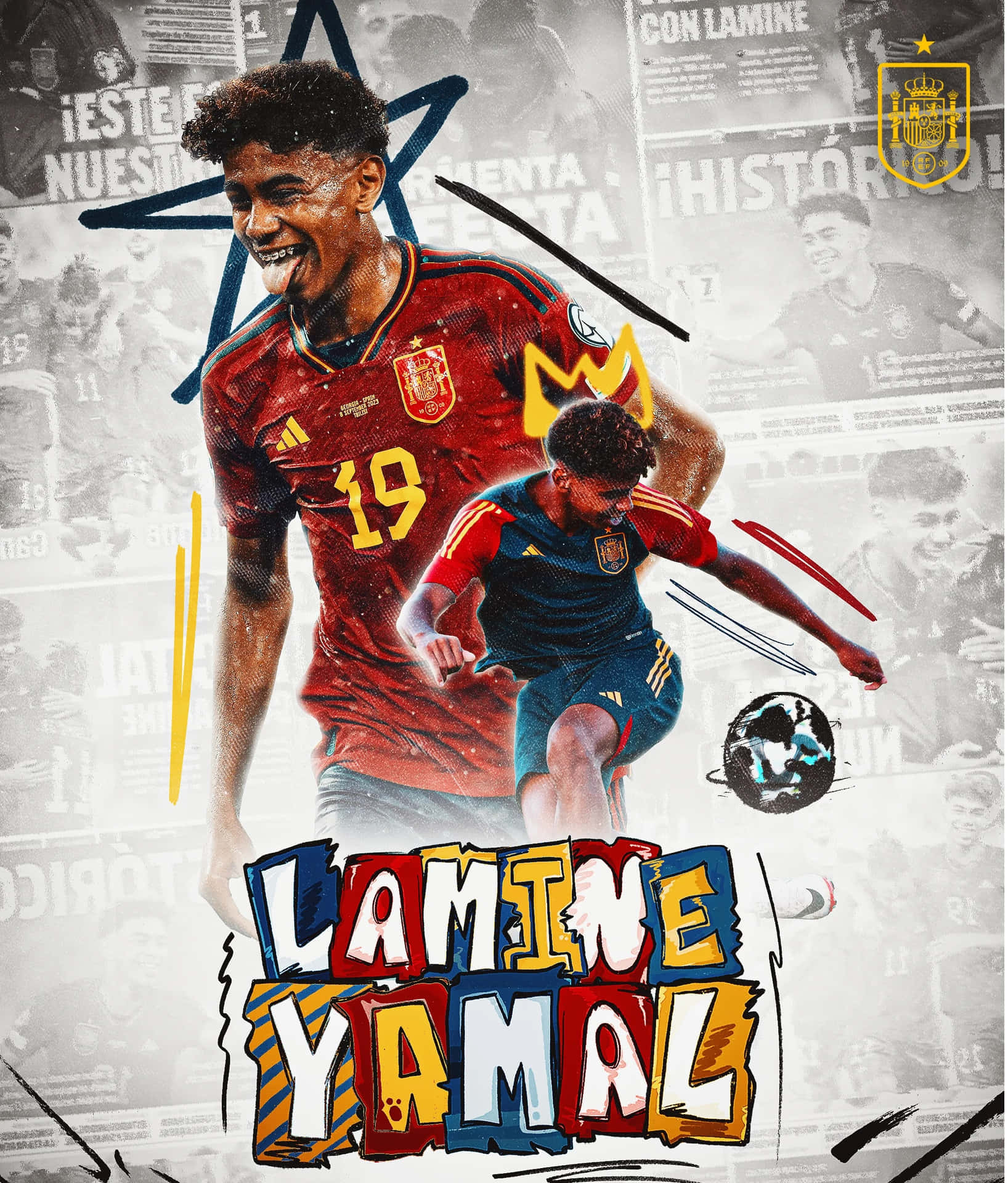
The evolution of attacking football is further evidenced by the rapid rise of players like Lamine Yamal. At 17 years old, Yamal’s inclusion in major international squads signals a departure from the traditional “development” timeline for young athletes. According to UEFA records, his emergence as a key contributor at the senior international level mirrors the early career trajectories of established stars, suggesting that the “new era” of football is as much about youth integration as it is about the records of veterans.
This emphasis on youth is supported by improved sports science and analytics, which allow national federations to identify and integrate top-tier talent earlier than in previous decades. For fans, this means a more dynamic product on the field, with younger players bringing unpredictability and high-energy pressing that contrasts with the more methodical approach favored in the past.
Impact on Modern Tactical Frameworks
The combined influence of these players has led to a noticeable change in how teams prepare for major tournaments. Modern tactical frameworks now prioritize “verticality”—the speed at which a team moves the ball from defense to the opponent’s final third. This strategy relies heavily on the individual skill sets of players like Messi and Mbappé, who can execute high-speed maneuvers under pressure.
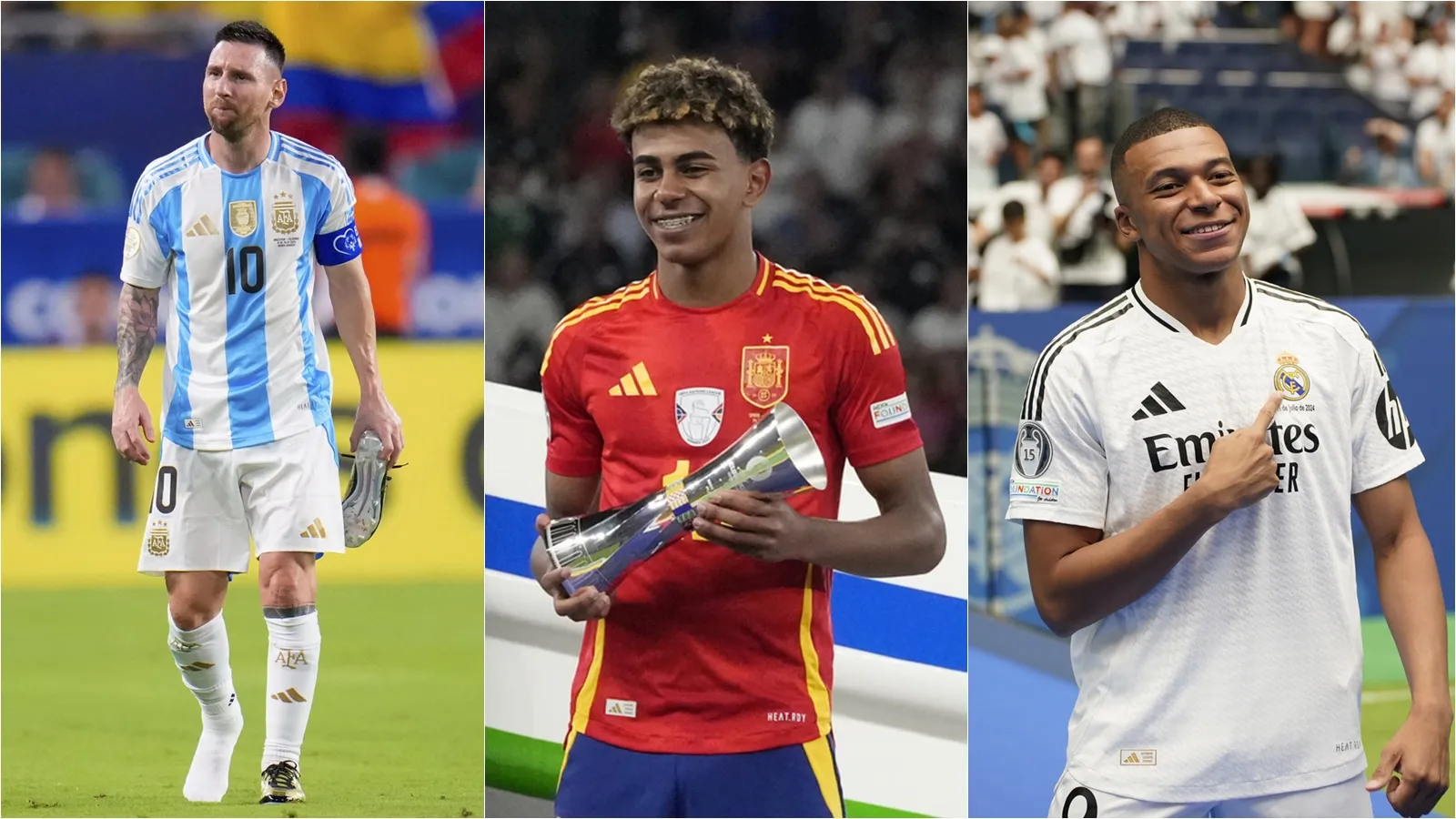
The statistical trend is clear: international teams are scoring more goals than they did two decades ago, partly due to these tactical adjustments. With the expansion of the World Cup format to 48 teams starting in 2026, the demand for high-scoring, entertaining matches is likely to increase. This expansion will require teams to rely even more on depth and the ability of individual stars to carry the offensive load, further cementing the current era as one of the most prolific in the history of the sport.
The next major checkpoint for international football will be the qualifying rounds for the 2026 FIFA World Cup, where national teams will test these evolving tactical frameworks against new competition. As players like Yamal gain experience and veterans like Messi continue to influence the game, the trajectory of offensive football remains firmly in the spotlight. We encourage our readers to join the conversation in the comments section below and share their thoughts on which young stars are poised to define the next decade of the beautiful game.
Worth a look