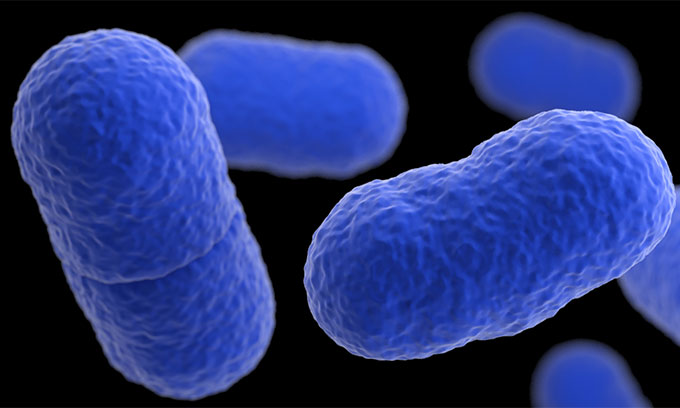
Understanding Listeria: A Guide to Prevention, Symptoms, and What to Do
Listeria is a serious infection that can make you very sick. ItS caused by eating food contaminated with the Listeria bacteria. This bacteria can grow even in refrigerated temperatures, making it a unique food safety concern. Understanding the risks and knowing what to look for is crucial for protecting your health and the health of those around you.
How does Listeria Spread?
Listeria is found in soil, water, and some animals. It can contaminate many types of food, including:
* raw milk and products made from it.
* Soft cheeses,especially those made with unpasteurized milk.
* Deli meats and hot dogs.
* Smoked seafood.
* Raw sprouts.
* Fruits and vegetables contaminated after harvest.
Importantly, Listeria can easily spread to other foods and surfaces in your kitchen. Proper cleaning and food handling are essential to prevent contamination.
Who is Most at Risk?
While anyone can get sick from Listeria, certain groups are more vulnerable to severe illness. These include:
* Pregnant women.
* Individuals 65 years or older.
* People with weakened immune systems.
Listeria poses a greater threat to these populations because the bacteria can spread beyond the gut, leading to a severe condition called invasive listeriosis.
Recognizing the Symptoms
Symptoms of a Listeria infection can vary. They typically appear within two weeks of eating contaminated food, but can range from the same day to as late as 10 weeks after exposure.
If you are pregnant: Pay close attention to fever, muscle aches, and tiredness. While your illness might be mild, Listeria can lead to pregnancy loss, premature birth, or serious illness or even death in newborns.
For others, look out for:
* Headache.
* Stiff neck.
* Confusion.
* Loss of balance.
* Convulsions.
* Fever.
* Muscle aches.
* Tiredness.
Why is Listeria notably Dangerous?
Listeria is especially harmful to vulnerable individuals because it’s more likely to spread from the intestines to other parts of the body. this can result in invasive listeriosis, a serious and potentially life-threatening infection. Early diagnosis and treatment are vital.
What Should You Do If You Suspect Listeria Infection?
If you fall into one of the high-risk groups - pregnant, 65 or older, or immunocompromised – and experience symptoms after consuming potentially contaminated foods, contact your healthcare provider immediately. Don’t delay seeking medical attention.
Protecting Yourself and Your Family
Preventing Listeria infection involves careful food handling and readiness. Consider these steps:
* Thoroughly cook raw meat, poultry, and seafood.
* Avoid unpasteurized milk and products made from it.
* Wash raw fruits and vegetables thoroughly under running water.
* Prevent cross-contamination by keeping raw meats separate from other foods.
* Clean your refrigerator regularly.
* Use separate cutting boards for raw meats and produce.
If you have questions about specific cases in your state, reach out to your state’s health department for more facts.
This information is intended to provide general guidance and should not be considered a substitute for professional medical advice. Always consult with a qualified healthcare provider for any health concerns or before making any decisions related to your health or treatment.
Worth a look