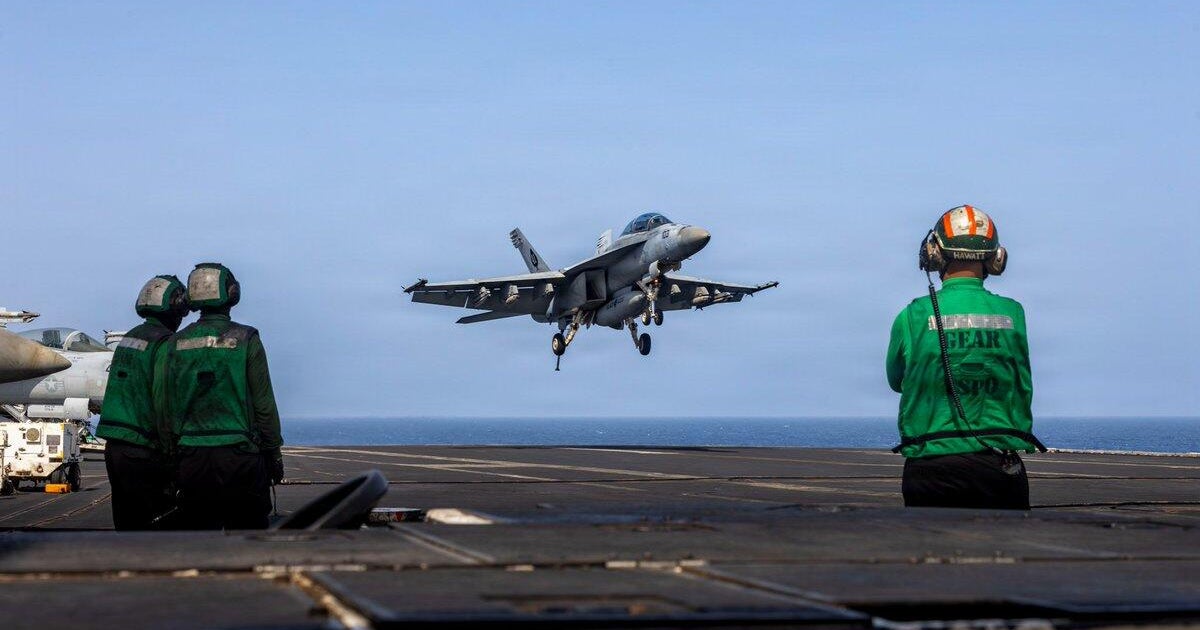
As diplomatic channels remain active, the geopolitical situation in the Middle East has entered a period of heightened volatility. Negotiations between the United States and Iran, aimed at de-escalating the ongoing conflict, continue to face significant friction as both nations trade military actions. While senior officials from the Trump administration have indicated that a broad framework for an agreement is under discussion, the path toward a finalized pact remains obstructed by shifting military realities on the ground.
The core of the current tension involves a complex set of proposals, including the potential disposal of highly enriched uranium and the normalization of maritime traffic through the Strait of Hormuz. Despite reports of progress, the atmosphere remains tense, with both Washington and Tehran signaling that a definitive resolution is not yet within immediate reach. The situation is further complicated by U.S. Military operations, which the Pentagon describes as necessary measures taken in self-defense during the current ceasefire period.
Stalled Negotiations Amid Military Friction
President Trump has publicly characterized the state of the talks by noting that the Iranian regime is currently “negotiating on fumes.” While the President has confirmed that a peace deal is “largely negotiated,” he has cautioned representatives against rushing into a premature commitment, emphasizing that the U.S. Believes time is currently on its side. This cautious approach follows reports that negotiators have been working toward an agreement that could involve the unfreezing of certain Iranian assets held in foreign banks, a process intended to stabilize regional dynamics.

However, the diplomatic momentum has been challenged by the realities of the battlefield. The U.S. Central Command recently announced that American forces have conducted “self-defense strikes,” a move they insist is consistent with maintaining security while exercising restraint. These actions have drawn sharp responses from Tehran, which has accused the U.S. Of creating obstacles through contradictory policy positions. Foreign ministry officials in Iran have acknowledged reaching understandings on a large portion of the issues under discussion but have explicitly stated that a final agreement is not imminent.
Security Incidents and the Strait of Hormuz
A central pillar of the proposed diplomatic framework involves the management of the Strait of Hormuz, a critical maritime chokepoint. While U.S. Officials have suggested that a process to reopen the strait is a key component of the ongoing discussions, Iranian authorities maintain a different perspective on sovereign control. Statements from Iranian state-affiliated entities have suggested that even in the event of a formal agreement, the strait would remain under Iranian management, highlighting a fundamental disagreement that continues to complicate the finalization of any pact.

The security environment has been further tested by recent reports of aerial engagements. Iranian forces have reported the downing of a U.S. Drone, claiming their air defense units identified and engaged American aircraft entering their airspace within the Persian Gulf region. These reports, which include claims of firing upon other unmanned and manned assets, serve to underscore the fragility of the current ceasefire and the risks associated with the ongoing standoff between the two powers.
What Happens Next?
As of late May 2026, the international community remains in a state of observation, awaiting further updates from both the White House and the Iranian Foreign Ministry. The lack of an imminent signing date for a comprehensive agreement means that military postures are likely to remain elevated in the near term. Observers are looking toward potential briefings from the U.S. State Department and official announcements from Tehran for clarity on whether the current diplomatic framework can survive the latest round of kinetic exchanges.
For those following these developments, official updates are expected to be released via the U.S. Central Command and the respective foreign ministries as the situation evolves. We will continue to monitor these reports closely to provide accurate, verified analysis of the unfolding events.
What are your thoughts on the current trajectory of U.S.-Iran relations? We invite our readers to share their perspectives in the comments section below.
Keep reading
- Tomas Ramberg: Kristersson’s New Post Became a Political Farce
- 10 Employees Detained in Orlando, Florida Despite Work Authorization
- Trump Threatens to Bomb Iranian Power Plants and Bridges to Force Talks (archyworldys.com)
- Blanche Leads Justice Department Amid Scrutiny Over Targeting of Trump’s Political Foes (newsdirectory3.com)