
Germany’s parliamentary budget committee has officially approved the procurement of at least four new F127-class frigates, marking a significant expansion of the German Navy’s surface combatant capabilities. The decision, finalized during recent budget deliberations, signals a long-term commitment to enhancing maritime security and North Atlantic Treaty Organization (NATO) defense contributions. According to official statements from the Federal Ministry of Defence, the project represents one of the largest naval shipbuilding contracts in the nation’s recent history, aimed at replacing aging platforms and addressing modern anti-aircraft warfare requirements.
The F127 frigates are designed specifically for long-range air defense, a capability deemed essential by military planners to counter evolving regional threats. The procurement process, which passed the Bundestag’s budget committee, ensures that the initial batch of four ships will proceed, with options for additional units depending on future strategic needs and fiscal availability. The Bundestag’s Haushaltsausschuss plays the decisive role in authorizing such major defense expenditures, ensuring that multi-billion euro projects align with the broader national defense strategy.
Strategic Necessity of the F127 Class
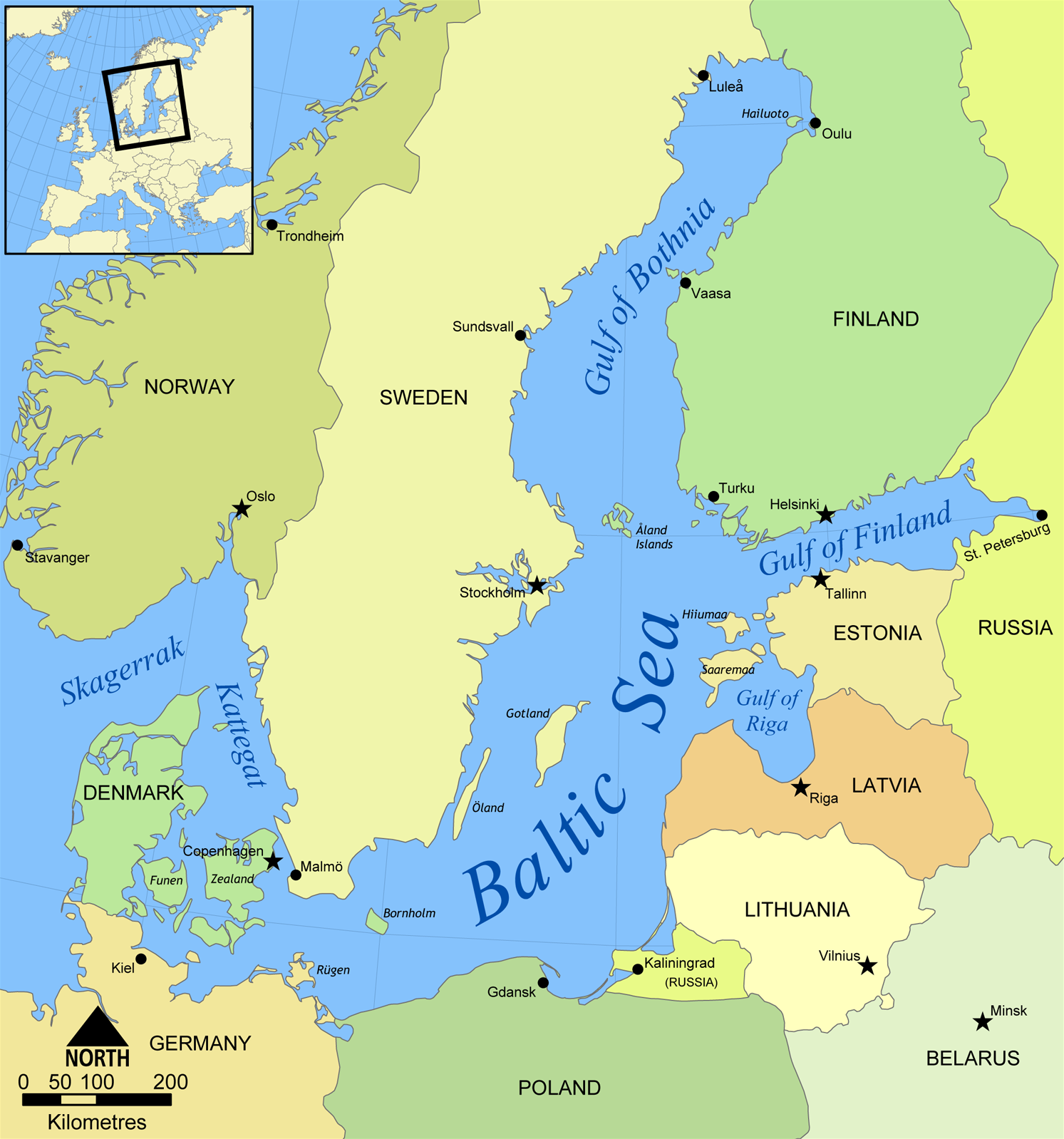
The F127 project is intended to succeed the current F124 Sachsen-class frigates. Military analysts note that the new vessels will feature advanced radar systems and long-range missile interceptors, providing a defensive umbrella for both German naval task forces and allied assets. The decision to invest in these ships follows a broader shift in European defense policy, characterized by a renewed focus on high-intensity conflict readiness and the protection of critical maritime infrastructure in the Baltic and North Seas.
According to the German Armed Forces (Bundeswehr), the F127 frigates will be equipped to operate in complex, multi-threat environments, integrating seamlessly with international partner fleets. By focusing on air defense, the German Navy aims to fill a critical gap in its current fleet structure, which has historically been optimized for a wider, more generalist set of mission profiles.
Budgetary Implications and Timeline
The approval comes amid a rigorous review of federal spending priorities. While the exact total cost of the project remains subject to final contract negotiations with shipbuilders, the green light from the budget committee secures the necessary financial framework to begin the procurement phase. The “Zeitenwende” policy, introduced by the German government to modernize the military, serves as the financial and political foundation for this investment, allowing for multi-year funding commitments that were previously difficult to secure.
Industry observers anticipate that the construction of the frigates will involve a consortium of domestic shipyards, emphasizing the government’s desire to maintain sovereign industrial capabilities. While the initial order is for four ships, the modular nature of the design and the strategic requirement for a larger fleet suggest that the total number of vessels could increase as the program progresses through the 2030s.
Operational Impact on the German Navy
For the German Navy, the introduction of the F127 class will represent a generational leap in combat effectiveness. The ships will not only carry advanced weaponry but also function as command and control centers for maritime operations. This capability is particularly significant for Germany’s role within NATO, where the ability to provide robust air defense for allied groups is highly valued.

The transition from the F124 to the F127 will be managed over several years to ensure that current operational readiness is maintained. The German Navy leadership has consistently identified the replacement of its air-defense frigates as a top priority for maintaining parity with evolving regional security challenges. As the program moves into the next phase, the focus will shift toward final design specifications and the formal signing of construction contracts, which are expected to be finalized in the coming months.
The next major milestone for the F127 project will be the formal signing of the construction contracts between the Federal Office of Bundeswehr Equipment, Information Technology and In-Service Support (BAAINBw) and the selected industrial partners. Further updates regarding the procurement timeline and technical specifications will be provided through official government briefings. Readers are encouraged to monitor the official portal of the Federal Ministry of Defence for ongoing project developments and future budgetary announcements.