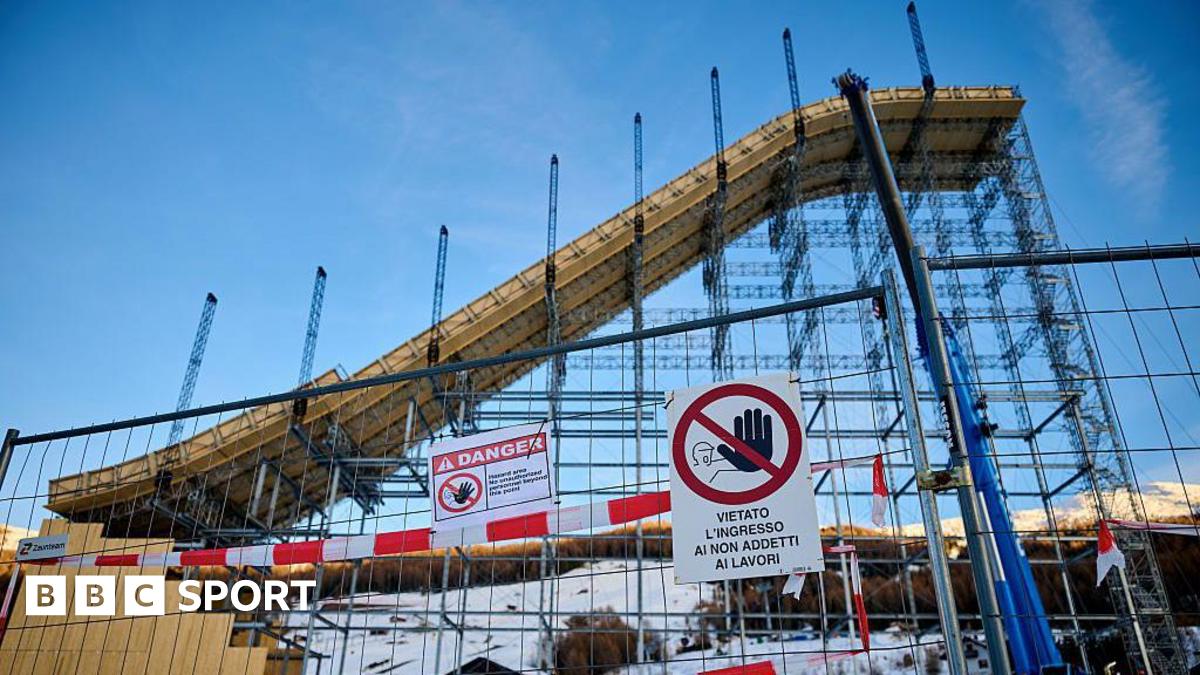
2026 Winter Olympics Snow Concerns: A Deep Dive into Livigno‘s Preparations
The upcoming 2026 Winter Olympics in Milan-Cortina d’Ampezzo, Italy, are already facing scrutiny, specifically regarding snow conditions at the Livigno venues. Concerns raised by the International ski Federation (FIS) President, Johan Eliasch, center around potential issues with artificial snow production, sparking debate about the preparedness of the host city. This article provides a comprehensive overview of the situation, examining the challenges, responses, and potential solutions surrounding the Olympic snow supply, offering insights into the broader context of climate change and winter sports.
The Initial Concerns & Funding Delays
Eliasch’s statements highlighted delays in funding release from the Italian government as a key factor impacting the timely production of artificial snow. Livigno Snow Park and the Aerials and Moguls Park are slated to be crucial competition sites during the February games. The reliance on artificial snow is becoming increasingly common in winter sports due to unpredictable natural snowfall patterns.
But what does this mean for the games? A lack of sufficient snow could lead to course modifications, impacting athlete performance and the overall spectacle of the event.
Livigno’s Response & Technical Issues
Livigno’s mayor, Remo Galli, swiftly responded to the FIS president’s concerns, offering reassurance that adequate snow levels will be achieved. He attributed the initial delays not to funding issues, but to a technical problem – specifically, the need to replace a valve in the snowmaking system.
Galli confidently stated that the issue was resolved within the expected timeframe and that snow guns have been operating effectively. He further pointed to anticipated colder temperatures, possibly dropping to -20°C, as a positive factor in snow production.
The Role of Artificial Snow & Environmental Impact
The situation in Livigno underscores a growing trend in winter sports: the increasing dependence on artificial snow. While it ensures consistent competition conditions, it’s crucial to understand the environmental implications.
* Water Usage: Artificial snow production requires notable amounts of water, potentially straining local resources.
* Energy Consumption: Pumping and compressing water, along with operating snow guns, demands considerable energy.
* Ecological Impact: The process can effect local ecosystems and soil composition.
Recent research from the University of Waterloo (December 2023) indicates that artificial snow melts faster than natural snow, potentially exacerbating water runoff issues in the spring. https://uwaterloo.ca/news/media/news-releases/artificial-snow-melts-faster-natural-snow-study-finds This highlights the need for sustainable snow management practices.
Beyond Livigno: Broader Trends in Winter Olympics Snow Security
Livigno isn’t an isolated case. Several past Winter Olympics have relied heavily on artificial snow, and the trend is expected to continue.
| Olympics | artificial Snow Reliance | Key Challenges |
|---|---|---|
| Sochi 2014 | Extremely High | Significant environmental concerns; high costs. |
| Pyeongchang 2018 | High | Water scarcity; logistical difficulties. |
| Beijing 2022 | Almost Entirely Artificial | Severe water stress; environmental impact. |
| Milan-Cortina 2026 | Projected High | Funding delays; climate change uncertainty. |
Related reading