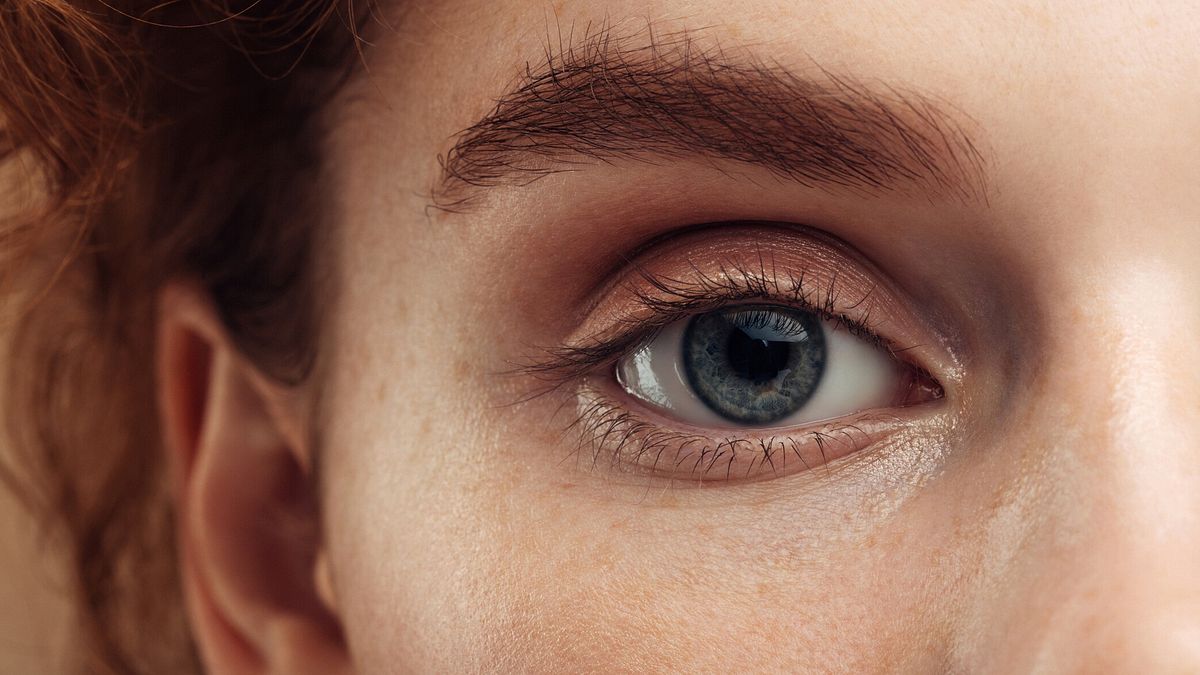
The future of corneal repair may be microscopic – and alive. Researchers at the University of Pittsburgh are pioneering a novel approach to treating corneal damage using genetically modified bacteria delivered via eye drops. This “living eye drop” aims to provide sustained, localized anti-inflammatory treatment, potentially revolutionizing how we address ocular surface diseases and heralding a fresh era of “living medicine” for the eye.
Corneal damage, resulting from injury, infection, or disease, affects millions worldwide, often leading to vision impairment and requiring invasive procedures like corneal transplants. Current treatments frequently involve repeated applications of medication, which can have systemic side effects and may not always provide long-lasting relief. The work at the University of Pittsburgh, led by Anthony St. Leger, PhD, offers a potentially transformative alternative: a single application of engineered bacteria that continuously release therapeutic compounds directly to the affected area.
Engineering Bacteria for Ocular Health
Dr. Anthony St. Leger, Assistant Professor of Ophthalmology and Immunology at the University of Pittsburgh School of Medicine and his team have successfully modified bacteria to produce and release a substance with anti-inflammatory properties. According to research published in bioRxiv in March 2025, What we have is the first demonstration of a genetically engineered microorganism residing on the ocular surface capable of delivering a therapeutic agent to improve eye health. St. Leger’s research focuses on the complex interplay between the ocular microbiome and ocular disease.
The specific bacteria used in this research, and the exact anti-inflammatory compound they are engineered to produce, have not yet been publicly disclosed in detail. But, the concept builds on growing understanding of the ocular microbiome – the community of microorganisms that live on and within the eye. This microbiome plays a crucial role in maintaining ocular surface health, and disruptions to its balance can contribute to various inflammatory conditions. Google Scholar lists Dr. St. Leger’s publications, including work on the impact of the bacterial microbiome on ocular health, published in *Expert Review of Ophthalmology* in 2024.
The Promise of “Living Medicine”
The potential benefits of this “living medicine” approach are significant. Unlike traditional drugs that are rapidly metabolized and cleared from the body, the engineered bacteria could theoretically persist on the ocular surface, providing a sustained release of the therapeutic agent. This could reduce the frequency of medication applications, improve patient compliance, and minimize systemic side effects. “It’s a paradigm shift,” explains Dr. St. Leger, as quoted in preliminary reports on the research. “Something you apply once, and it stays, protects, and helps the tissue heal.”
This research aligns with a broader trend in medicine towards utilizing the body’s own systems for therapeutic purposes. Gene therapy, immunotherapy, and microbiome-based therapies are all examples of this approach. The eye, with its relatively isolated environment and limited immune response, presents a particularly attractive target for these innovative therapies. The University of Pittsburgh team’s work builds on previous research demonstrating the potential of combining statins and nanovesicles to enhance optic nerve regeneration, as published in *NPJ Regenerative Medicine* in October 2024, with Dr. St. Leger as a contributing author.
Understanding the Ocular Microbiome
The ocular surface is not sterile; it harbors a diverse community of bacteria, fungi, viruses, and other microorganisms. This microbiome plays a vital role in maintaining the health of the cornea, conjunctiva, and tear film. Disruptions to the microbiome, known as dysbiosis, have been linked to a range of ocular surface diseases, including dry eye disease, allergic conjunctivitis, and corneal ulcers. Dr. St. Leger’s research, as highlighted in *Expert Review of Ophthalmology* in 2024, emphasizes the importance of understanding the complex interactions within the ocular microbiome to develop effective treatments for these conditions.
Recent studies have shown that specific bacterial species can produce metabolites that have anti-inflammatory and immunomodulatory effects. These metabolites can facilitate to regulate the immune response, protect against infection, and promote tissue repair. The University of Pittsburgh team is leveraging this knowledge to engineer bacteria that can deliver these beneficial metabolites directly to the ocular surface.
Challenges and Future Directions
While the initial results are promising, several challenges remain before this “living eye drop” can become a clinical reality. Ensuring the safety and efficacy of the engineered bacteria is paramount. Researchers require to carefully assess the potential for off-target effects, such as unintended immune responses or disruption of the natural microbiome. Long-term studies are needed to evaluate the durability of the therapeutic effect and to monitor for any adverse events.
Another key challenge is optimizing the delivery of the bacteria to the ocular surface. The eye is constantly flushed with tears, which can wash away the bacteria before they have a chance to colonize and exert their therapeutic effect. Researchers are exploring various strategies to enhance bacterial adhesion and retention, such as encapsulating the bacteria in biocompatible materials or modifying their surface properties.
the regulatory pathway for approving “living medicines” is still evolving. Regulatory agencies, such as the Food and Drug Administration (FDA) in the United States, are developing guidelines for evaluating the safety and efficacy of these novel therapies. The University of Pittsburgh team is working closely with regulatory experts to ensure that their research meets the necessary standards.
Beyond Inflammation: Expanding the Scope
The potential applications of this technology extend beyond inflammation. Researchers envision engineering bacteria to deliver a wide range of therapeutic agents, including growth factors to promote tissue regeneration, antibiotics to combat infection, and even gene editing tools to correct genetic defects. Dr. St. Leger’s previous work, detailed in *Invest Ophthalmol Vis Sci* in 2023, explored genetic manipulation of *Corynebacterium mastitidis* to better understand the ocular microbiome, laying the groundwork for these advanced applications.
The development of a “living eye drop” represents a significant step towards personalized medicine for ocular diseases. By tailoring the engineered bacteria to the specific needs of each patient, it may be possible to achieve more effective and targeted treatments with fewer side effects. This approach could potentially transform the management of a wide range of ocular conditions, from common dry eye disease to more serious corneal infections, and injuries.
The next steps for Dr. St. Leger and his team involve further preclinical studies to optimize the engineered bacteria and evaluate their safety and efficacy in animal models. If these studies are successful, they plan to initiate clinical trials in humans within the next few years. The team is also exploring collaborations with industry partners to accelerate the development and commercialization of this promising technology.
As research progresses, the prospect of a single-application treatment that continuously protects and heals the cornea moves closer to reality. This innovative approach to ocular health promises a future where “living medicine” offers a lasting solution for millions affected by corneal damage and disease.
Stay tuned to World Today Journal for further updates on this groundbreaking research and the evolving landscape of ocular medicine. We encourage you to share your thoughts and experiences in the comments below.
Keep reading