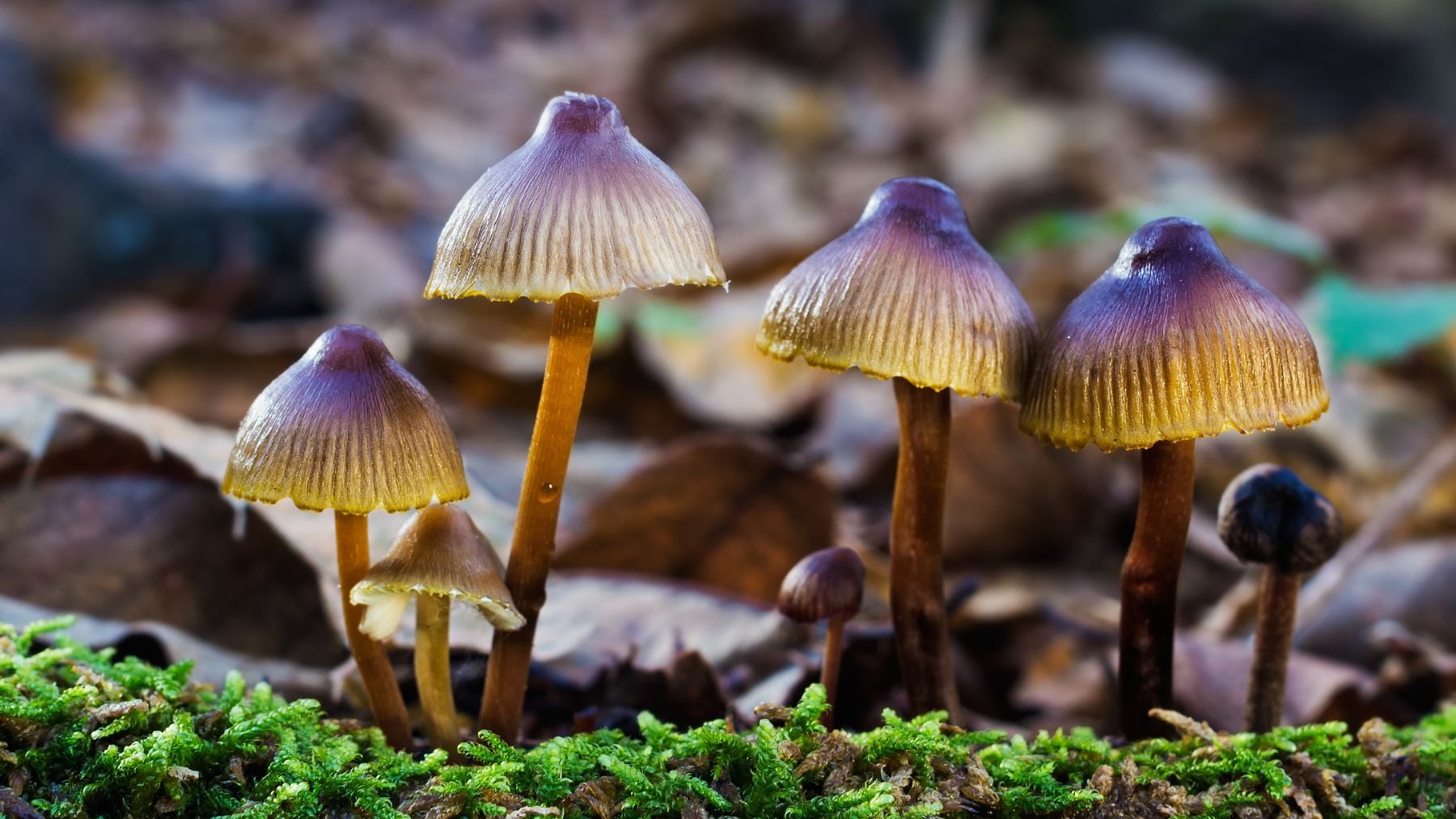
As we look toward a more sustainable future, the intersection of biotechnology and urban infrastructure is yielding some of the most fascinating developments in recent years. Among the most ambitious projects currently under investigation is the potential for bioluminescent organisms to redefine how we light our cities. By harnessing the natural light-emitting capabilities of specific fungi and genetically modified plants, researchers are exploring whether we might one day move away from traditional, energy-intensive electrical lighting in favor of living, glowing alternatives.
This pursuit of sustainable, organic light sources is not merely a novelty; it represents a significant shift in how we approach synthetic biology. The core concept involves integrating bioluminescent genes—typically derived from organisms like fungi or fireflies—into plant life or fungal materials to create a continuous, self-sustaining glow. While the technology is still in the experimental stages, the promise of reducing our reliance on traditional power grids for street lighting and ambient illumination has captured the attention of scientists and urban planners alike.
The Science Behind Bioluminescence
Bioluminescence is a chemical reaction that occurs within a living organism, typically involving a light-emitting molecule called luciferin and an enzyme called luciferase. When these components interact with oxygen, they produce light without the significant heat loss associated with traditional incandescent or even LED bulbs. In nature, this phenomenon is common in deep-sea creatures and certain forest fungi, which use their glow to attract insects or signal other members of their species.
Researchers are now attempting to replicate and scale these processes for human use. By introducing these specific gene sequences into plants or cultivating bioluminescent fungal structures, scientists hope to create biological light sources that can thrive in outdoor environments. This field of research is heavily supported by advancements in CRISPR and other gene-editing tools, which have made it increasingly feasible to isolate and transfer the pathways responsible for light production into non-luminescent hosts.
Potential Applications in Urban Infrastructure
The vision of bioluminescent streets is fundamentally about energy efficiency. Traditional street lighting consumes vast amounts of electricity, contributing significantly to the carbon footprints of major metropolitan areas worldwide. If we could integrate bioluminescent plants or fungal-based panels along pathways and roads, the energy demand for public safety lighting could be drastically reduced.
the aesthetic and environmental impact of such a transition would be profound. Unlike artificial lights, which contribute to light pollution and can disrupt local ecosystems and circadian rhythms, bioluminescent light is generally softer and more natural. This could lead to a “greener” urban environment where the infrastructure itself is a living part of the local ecosystem. However, significant challenges remain, including the intensity of the light produced, the longevity of the organisms, and the ability to maintain these living systems across varying climates.
Current Research and Future Hurdles
While the prospect of glowing trees replacing streetlights sounds like science fiction, the underlying research is grounded in real, peer-reviewed biotechnology. Currently, labs across the globe are conducting trials to determine the stability of these genetic modifications over time. A major hurdle is the metabolic cost to the plant; maintaining a constant glow requires energy, which can sometimes come at the expense of the plant’s overall health and growth rate. Researchers are actively working to balance these biological trade-offs to ensure that the light output is sufficient for practical utility without compromising the organism’s viability.

The regulatory landscape for such technology is also in its infancy. Introducing genetically modified organisms into public spaces requires rigorous safety assessments to ensure that these plants do not become invasive or negatively impact the surrounding biodiversity. As the technology matures, policymakers will need to establish clear frameworks to manage the deployment of these living technologies, ensuring they are both safe and effective for public use.
Moving Toward a Biological Future
The journey from a laboratory experiment to a city-wide lighting solution is long, but the progress made thus far suggests that we are moving toward a new era of biotechnology. Whether through the direct modification of trees or the development of bioluminescent fungal materials, the goal remains the same: a more sustainable, energy-efficient world. As we continue to refine these methods, the way we illuminate our nights may soon be as natural as the plants themselves.

For those interested in following the progress of this research, academic journals focusing on synthetic biology and biotechnology—such as Nature Biotechnology—regularly publish updates on the latest gene-editing breakthroughs. We will continue to track these developments as they move from the laboratory to potential pilot programs. What are your thoughts on integrating nature into our city infrastructure? Join the conversation in the comments below and share your perspective on the future of sustainable tech.
This report is based on current developments in synthetic biology. As of May 2026, there are no established commercial implementations of bioluminescent street lighting; further updates on regulatory approvals and field trials are expected to follow in upcoming research cycles.
Keep reading