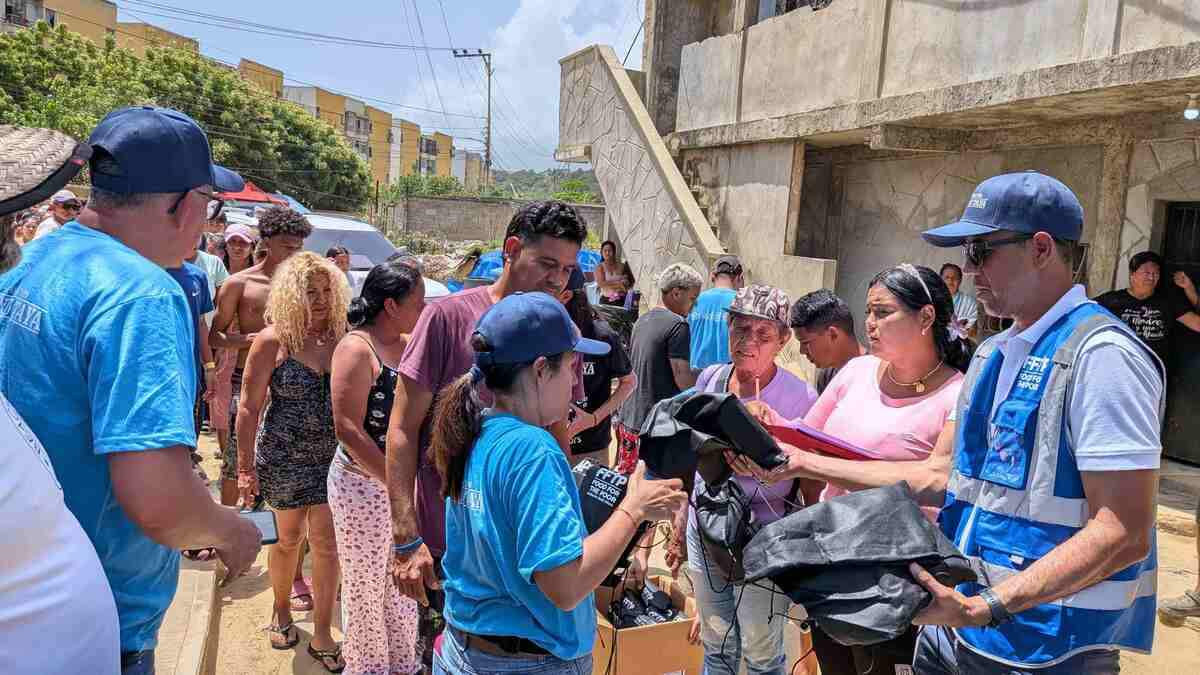
Humanitarian aid organizations have accelerated the delivery of emergency supplies to Venezuela to support communities affected by recent seismic activity. Relief efforts, coordinated by international non-governmental organizations, focus on the distribution of essential hygiene kits and the stabilization of potable water access to prevent the secondary health crises often associated with natural disasters.
As a physician and health journalist, I have seen how critical the first 72 hours are following a disaster. In regions with fragile infrastructure, the primary threat to public health often shifts rapidly from the trauma of the event itself to the spread of waterborne illnesses and the loss of basic sanitation. The current intervention aims to mitigate these risks by providing immediate, tangible resources to the most vulnerable populations.
Humanitarian Response and Resource Allocation
The recent relief initiative, led by Food For The Poor (FFTP) in collaboration with the Fundación Wayuu Taya, has successfully deployed 2,000 hygiene kits to families displaced or impacted by the seismic events. These kits are designed to address immediate hygiene needs, which are fundamental to maintaining public health standards in temporary shelters or damaged housing. According to organizational reports, the distribution was prioritized for areas where infrastructure damage has hampered local access to markets and essential services.
Access to clean water remains the most significant hurdle in the affected zones. The partnership has focused on reinforcing water supply systems, a measure that aligns with international humanitarian standards for disaster relief. According to the World Health Organization (WHO), access to safe water and sanitation is the primary defense against the outbreak of cholera and other diarrheal diseases in post-earthquake environments. By securing these water points, the organizations are effectively lowering the risk of communicable diseases among the affected residents.
Public Health Impact in Seismic Zones
From a medical perspective, the aftermath of a earthquake is not limited to physical injuries. The disruption of municipal water pipes and sewage systems creates an environment where pathogens can flourish. In my clinical experience, the incidence of gastrointestinal infections often spikes in the weeks following a disaster if sanitation is not restored promptly. The delivery of hygiene kits—which typically include soap, toothpaste, sanitary products, and other basic cleaning supplies—serves as a vital barrier against these environmental hazards.
The logistical challenge of delivering these goods into Venezuela is substantial. The collaboration between a Florida-based international agency and a local foundation, such as the Wayuu Taya Foundation, is a common and effective model for humanitarian logistics. By leveraging local knowledge, these groups ensure that aid reaches the specific communities that are most isolated, rather than being concentrated only in major urban centers where infrastructure might be more resilient.
Coordination and Logistics
The effectiveness of this operation relies on the coordination between international donors and local ground partners. FFTP, which frequently coordinates large-scale shipments from its Florida hub, relies on local partners to navigate the regulatory and logistical complexities of distributing aid within Venezuela. This dual-layered approach is essential for maintaining the chain of custody for medical and hygiene supplies, ensuring that they are not diverted and that they reach the intended recipients in good condition.
Current monitoring of the situation suggests that the need for sustained support will persist as families attempt to return to their homes or secure long-term shelter. The provision of 2,000 kits is a significant initial step, but the long-term recovery will depend on the stability of local utility grids and the continued flow of medical supplies. Organizations involved in the recovery are currently monitoring the status of local clinics to determine if further medical equipment or pharmaceuticals will be required in the coming weeks.
Next Steps for Affected Communities
The next phase of the response will involve ongoing assessments of water quality and the nutritional status of displaced children and the elderly, who are disproportionately affected by the loss of sanitation. Official updates regarding the distribution of additional aid and the status of utility repairs are expected to be released by participating NGOs as they complete their field assessments. Residents in the affected areas are encouraged to monitor local community bulletins for information on future aid distribution sites and health screenings.
Ensuring that aid reaches those who need it most is a complex task that requires transparency and community cooperation. If you have been following these relief efforts or have information about conditions on the ground, please share your thoughts or updates in the comments section below.