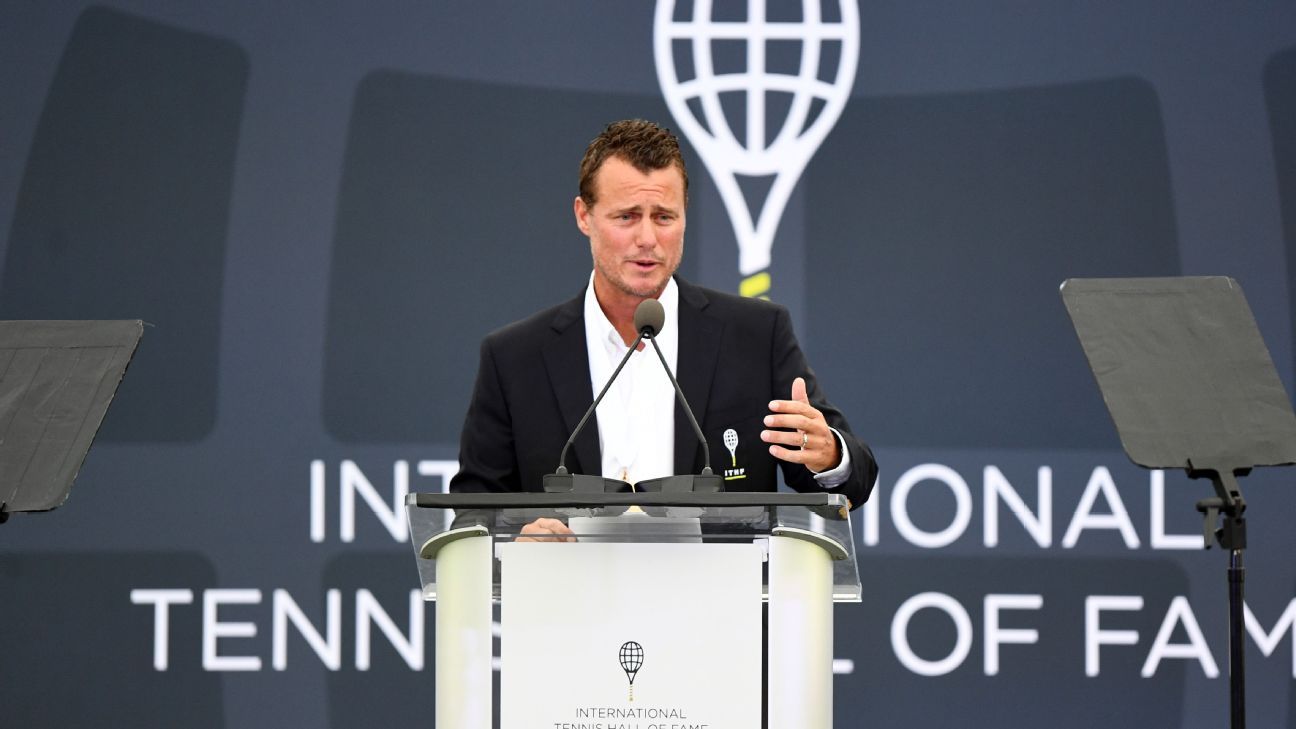
Lleyton Hewitt Suspension: A Deep Dive into the ITIA Ruling adn it’s Implications
The world of professional tennis has been stirred by a recent decision from the International Tennis Integrity Agency (ITIA): two-time Grand Slam champion Lleyton Hewitt has been handed a two-week suspension following an incident involving an anti-doping official. This isn’t simply a story about a momentary lapse in judgment; it’s a case that raises important questions about conduct, accountability, and the pressures faced by those at the highest levels of the sport. Understanding the details, the rationale behind the ruling, and the potential consequences is crucial for fans, players, and anyone interested in the integrity of tennis.
This article will provide a complete analysis of the situation, exploring the events leading to the suspension, the ITIA’s examination, the tribunal’s decision, and what this means for hewitt’s future, particularly his role as Australia’s Davis Cup captain. We’ll also delve into the broader context of player conduct and the evolving standards within professional sport.
The Incident: What Happened in November?
The incident occurred in November, promptly after Australia’s Davis Cup semifinal loss to italy. Reports indicate that Hewitt, visibly frustrated after the defeat, physically pushed a 60-year-old volunteer anti-doping chaperone. Hewitt maintained his innocence, claiming self-defense. Though, the ITIA launched a thorough investigation, meticulously reviewing video evidence, gathering witness statements, and conducting interviews with all parties involved.
Did You Know? The ITIA was established in 2021 as an autonomous body to safeguard the integrity of professional tennis, taking over from the Tennis Integrity Unit.
The ITIA’s decision to refer the case to an independent tribunal underscores the seriousness with which they treat breaches of conduct, even those that don’t directly involve doping violations. This highlights the agency’s commitment to upholding ethical standards and ensuring a fair and respectful environment for all involved in the game.
Tribunal Ruling: offensive Conduct Upheld
The independent tribunal ultimately upheld the charge of offensive conduct against Hewitt. While acknowledging his claim of self-defense, the tribunal determined that his actions “did not meet the requirements of self-defense” and were “not reasonable and proportionate” to the situation. This is a critical distinction. The tribunal wasn’t necessarily questioning Hewitt’s perception of a threat, but rather whether his response was justified under the circumstances.
Pro Tip: Understanding the difference between perceived threat and justifiable response is key in legal and ethical assessments of conduct. The tribunal focused on the proportionality of hewitt’s actions.
As an inevitable result, Hewitt received a two-week suspension, effective from September 25th to October 7th, carefully scheduled to minimize disruption to his davis Cup commitments. He was also fined approximately $20,000. During the suspension, Hewitt is prohibited from participating in any tennis-related activities, including coaching, mentoring, playing, and captaincy.
Implications for the Davis Cup and Beyond
The timing of the suspension is particularly sensitive,falling just after Australia’s crucial Davis Cup tie against Belgium (September 13-14) in Sydney. While the ITIA deliberately structured the suspension to avoid impacting this match,the incident undoubtedly casts a shadow over the team’s preparations.
Here’s a rapid comparison of the key details:
| Aspect | Details |
|---|---|
| Player | Lleyton Hewitt |
| charge | Offensive Conduct |
| Governing Body | International Tennis Integrity Agency (ITIA) |
| Suspension Period | September 25 – October 7, 2025 |
| Fine | Approximately $
Related reading |