
Switzerland’s legislative process faces increasing scrutiny as the influence of private interest groups—ranging from industry associations to non-governmental organizations—grows within the federal parliament. These groups, often referred to as lobbyists, frequently operate behind the scenes of the National Council to shape subsidy structures and influence economic policy, according to reports on the mechanics of Swiss federal politics.
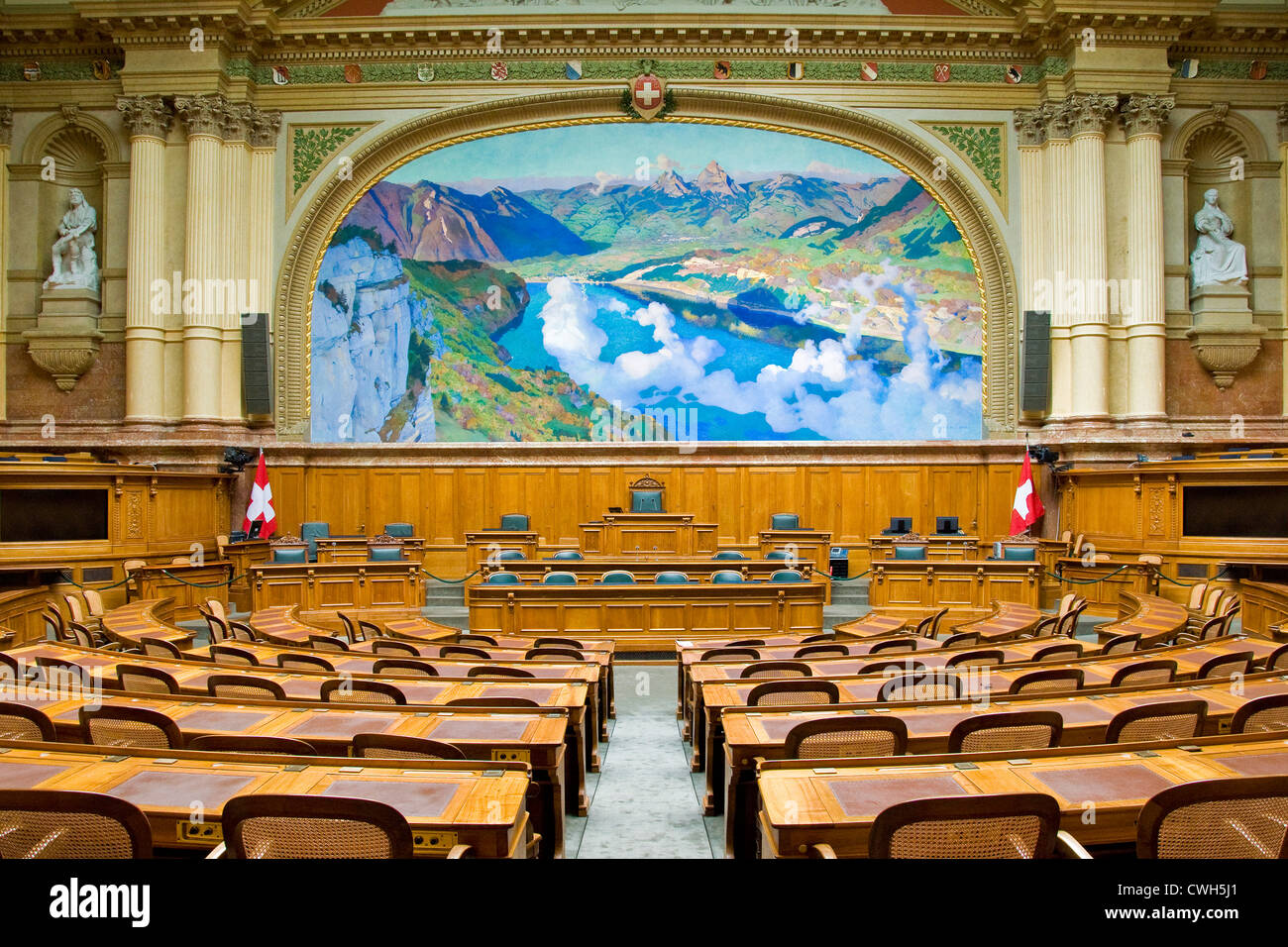
The concentration of lobbying power in the “lobby” area—the corridor located directly behind the National Council chamber in Bern—highlights a persistent tension between representative democracy and the influence of well-funded special interest groups. As these organizations compete for state funding and favorable regulatory frameworks, the transparency of these interactions remains a central theme in Swiss political discourse.
The Mechanics of Swiss Lobbying
In the Swiss political system, the “lobby” refers to the literal physical space behind the National Council chamber where parliamentarians meet with representatives of various interest groups. According to the Swiss Federal Assembly, access to this area is strictly regulated and restricted to individuals who hold a valid accreditation badge. This system is designed to provide a structured environment for interaction, yet critics argue it creates an imbalance where organizations with significant financial backing gain disproportionate access to lawmakers.

The primary objective for many of these groups is the acquisition of state subsidies or the mitigation of unfavorable legislation. The OECD has noted that while lobbying is an integral part of the Swiss consensus-based model, the lack of comprehensive, mandatory disclosure requirements for individual meetings can obscure the influence exerted on specific policy outcomes.
Subsidies and Economic Policy
The distribution of federal subsidies is a major driver of lobbying activity. In Switzerland, subsidies are distributed across various sectors, including agriculture, public transport, and regional development. The Federal Finance Administration tracks these expenditures, which represent a significant portion of the federal budget. Interest groups often mobilize to protect existing subsidy streams or advocate for new funding allocations during the annual budget debate.
The influence of these groups is particularly visible during the drafting of legislation, where technical amendments can lead to substantial financial consequences for private industry. Because the Swiss system relies heavily on the expertise provided by stakeholders during the consultation process, lawmakers often depend on these groups for data and context. This dependence creates a symbiotic relationship that, while essential for informed policy-making, raises questions about potential capture by specific industry interests.
Transparency and Regulatory Reform
Public pressure for greater transparency in the Swiss legislative process has led to incremental reforms. Since 2022, parliamentarians have been required to disclose their professional activities and their memberships in boards or committees, as mandated by federal law. This register is publicly accessible and intended to provide voters with insight into potential conflicts of interest.
Despite these measures, the degree of influence exerted by lobbyists remains a subject of active debate. Some political analysts argue that the current system is transparent enough, given that the “Swiss model” relies on the integration of all stakeholders into the decision-making process. Conversely, transparency advocates argue that the register of interests does not capture the day-to-day influence exerted through informal meetings in the corridors of the Federal Palace.
Impact on the Legislative Agenda
The competition for influence is not limited to financial subsidies. Interest groups also shape environmental regulations, labor laws, and trade policies. When these groups succeed in aligning their objectives with those of influential parliamentary committees, the likelihood of a bill passing in their favor increases significantly. According to data provided by CH.ch, the official portal for the Swiss Confederation, the legislative process is designed to be deliberative, but the speed and direction of reforms are often dictated by the strength of the lobbying efforts behind them.

The next major checkpoint for these discussions will be the upcoming parliamentary sessions, where the federal budget for the next fiscal year will be debated. These sessions serve as a barometer for the current influence of various interest groups and provide a public venue for addressing concerns regarding the distribution of state funds. Readers interested in tracking these developments can access official meeting schedules and lobbyist accreditation lists through the Federal Assembly website.
We welcome your perspective on the balance between stakeholder engagement and political transparency in Switzerland. Please share your thoughts in the comments section below.
Keep reading