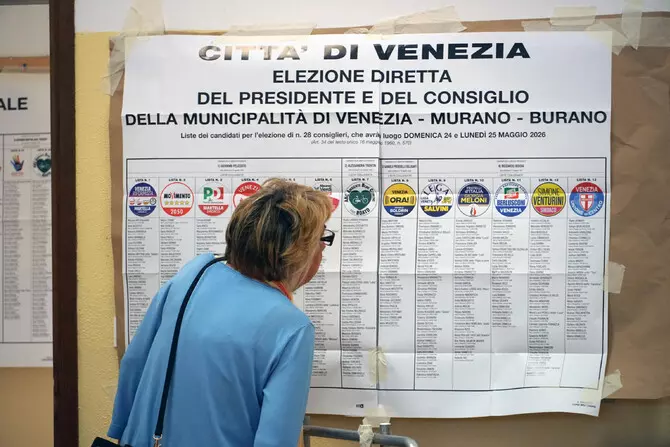
As the political landscape in Italy undergoes a period of intense scrutiny, local administrative elections across 750 municipalities have emerged as a critical barometer for the national climate. These ballots, which invite millions of citizens to the polls, serve as more than just a selection of local representatives; they represent a significant test of strength for major political parties ahead of future general elections. With the national political agenda increasingly influenced by local outcomes, observers are closely monitoring shifting alliances and the performance of established political strongholds.
The current electoral cycle has been characterized by a notable trend: declining voter turnout. This phenomenon, which has been observed in various democratic contexts, raises questions about civic engagement and the perceived impact of local governance on the daily lives of citizens. As voters weigh their options, the competition between entrenched party bases and emerging political forces is redefining the regional power structure, setting the stage for broader national debates. The Italian Ministry of the Interior remains the primary authority for tracking official electoral data and turnout percentages across these municipalities.
Evaluating the Political Pulse Through Local Ballots
Administrative elections in Italy provide a granular view of how national political messaging resonates at the community level. When voters head to the polls to decide on mayors and municipal councils, they are often reacting to both local management issues and national policy directions. This dual focus makes the 750 municipalities currently in play a vital testing ground for party platforms. Analysts frequently look to these results to identify “swing” areas—districts that have historically leaned toward one political pole but are now demonstrating a willingness to change course.
The challenge for established parties is two-fold: maintaining their traditional strongholds while expanding their appeal to younger or disillusioned demographics. Conversely, newer political movements are attempting to leverage local grievances to gain a foothold, often by focusing on specific policy areas such as public infrastructure, local taxation, and social services. According to data provided by the Italian National Institute of Statistics (ISTAT), demographic shifts continue to play a role in how different regions prioritize their political representation, creating a complex map of competing interests.
The Challenge of Declining Voter Turnout
One of the most discussed aspects of this election cycle is the trend of falling participation. Political scientists note that when turnout drops, the influence of the “hardcore” party base increases, which can lead to more polarized outcomes. This trend is not uniform; it varies significantly between urban centers and smaller, more rural municipalities. Understanding the motivations behind this apathy is a priority for political analysts who view high engagement as a pillar of healthy democratic processes.

Various factors contribute to this decline, ranging from general disillusionment with political rhetoric to the complexity of local administrative challenges. In many instances, voters express that their concerns regarding local issues—such as waste management, urban mobility, or healthcare access—are not being adequately addressed by national party platforms. For deeper insights into the structural challenges facing local government, the National Association of Italian Municipalities (ANCI) provides ongoing reports on the administrative hurdles faced by local leaders.
Strategic Implications for Future National Policy
The results of these administrative rounds are frequently extrapolated to predict outcomes for future national parliamentary elections. While local elections are primarily focused on municipal governance, the “political weight” assigned to them by media and party headquarters cannot be overstated. A loss in a traditionally “safe” city can trigger internal party reviews, while a victory in a contested area can provide a significant boost in momentum for national leaders.
As the political parties calibrate their strategies, they are looking at several key areas of concern:
- Economic Stability: How local administrations manage budgets in the wake of inflationary pressures.
- Infrastructure Development: The progress of projects funded by national or European recovery plans.
- Social Cohesion: The ability of local leaders to address the needs of diverse populations within their municipalities.
By focusing on these issues, parties aim to build a narrative that transcends local borders, attempting to prove that their model of governance is the most effective for the country at large. The upcoming national reporting on these electoral outcomes will likely highlight whether voters prioritized continuity or sought a radical change in their local leadership.
Looking Ahead: The Path to Official Certification
As the counting process concludes, the focus shifts toward the official certification of results and the subsequent formation of local governments. This period is often marked by intense negotiations as parties seek to form coalitions to ensure a working majority in municipal councils. The formalization of these results is a structured process governed by electoral law, ensuring transparency and accountability in the transition of power.

For citizens and observers, the next major checkpoint involves the release of finalized, validated data by the Ministry of the Interior, which will provide the definitive picture of the electoral shift. Following this, the inaugural sessions of the newly elected municipal councils will set the tone for the coming years of local governance. We encourage our readers to stay tuned for further updates on these developments as the official results are verified and the new administrative chapters begin. Join the conversation in the comments section below to share your perspectives on how these local results might influence the national political trajectory.
Related reading