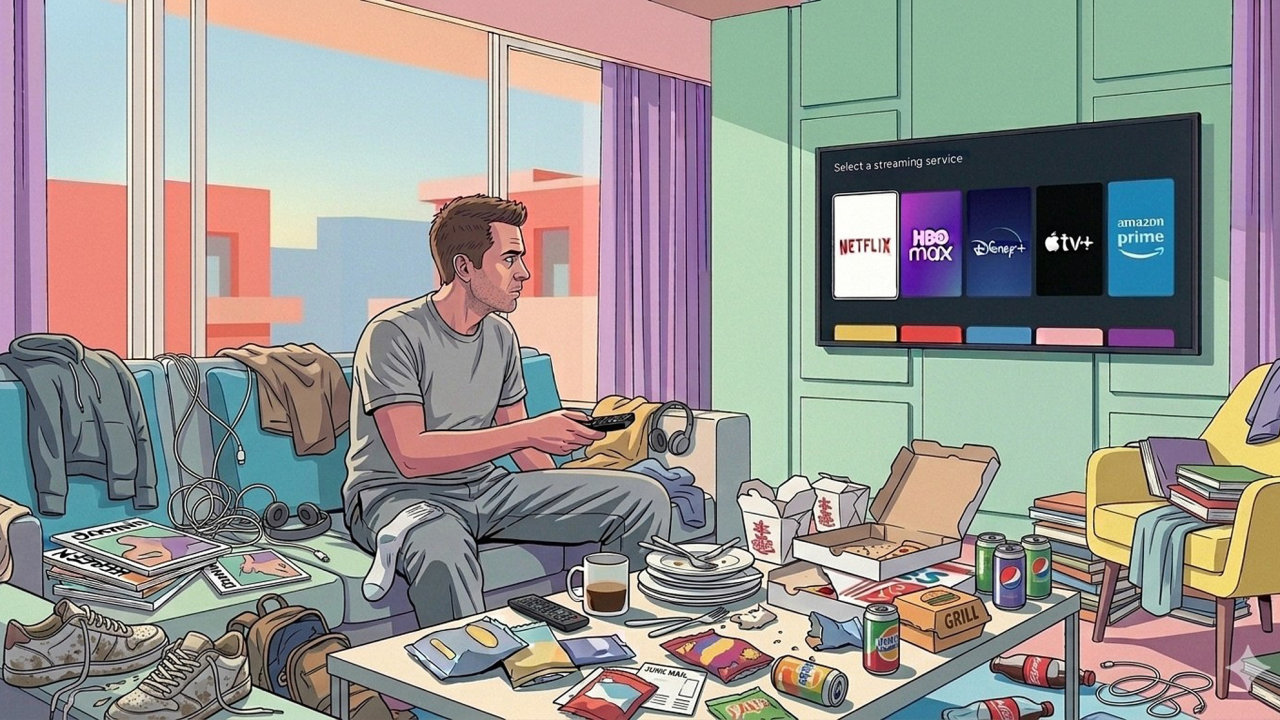
The increasing reliance on digital ecosystems – from smartphones and software to streaming services and smart home devices – is creating a new form of economic lock-in, where consumers find themselves perpetually paying for access rather than owning the products and services they use. This trend, explored recently in Hospodářské noviny, raises concerns about consumer control, data privacy, and the long-term costs of participating in these ecosystems. While the convenience and innovation offered by these services are undeniable, the shift towards a subscription-based, “as-a-service” model demands a closer look at its implications for individuals and the broader economy.
The core issue isn’t simply about cost, though the cumulative expense of numerous subscriptions can be substantial. It’s about the erosion of ownership and the increasing difficulty of switching providers. Consumers are often effectively renting access to functionality that was previously purchased outright. This model, often referred to as “product-as-a-service” or “everything-as-a-service” (XaaS), is becoming increasingly prevalent across various industries. From Adobe Creative Cloud’s subscription model for its software suite to Microsoft’s Office 365, and even car subscription services, the traditional model of purchase is being replaced by ongoing payments.
The Rise of Digital Ecosystems and the Loss of Control
Digital ecosystems are built around a central platform or service, often controlled by a large technology company. These ecosystems aim to provide a seamless and integrated experience, encouraging users to adopt multiple products and services within the same environment. Apple, Google, Amazon, and Microsoft are prime examples of companies that have successfully cultivated such ecosystems. The appeal lies in convenience – a single sign-on, shared data across devices, and integrated functionality. However, this convenience comes at a cost: increased dependence on a single provider and reduced control over one’s own data and digital life.
The difficulty of leaving these ecosystems is a significant concern. Data portability – the ability to easily transfer one’s data from one service to another – is often limited or non-existent. This makes switching providers a cumbersome and potentially costly process. Many services are designed to interoperate seamlessly within the ecosystem, meaning that leaving one component can disrupt the functionality of others. For example, a user heavily invested in the Google ecosystem – using Gmail, Google Drive, Google Photos, and Google Calendar – may find it challenging to migrate to alternative services without losing functionality or experiencing compatibility issues.
This lock-in effect is exacerbated by the increasing use of proprietary formats and technologies. Companies often develop their own unique file formats or communication protocols that are not easily compatible with those of competitors. This further discourages users from switching, as it can lead to data loss or the need to convert files, adding another layer of complexity and inconvenience. The European Union has been actively addressing data portability concerns through legislation like the General Data Protection Regulation (GDPR), but enforcement and the practical implementation of data portability rights remain ongoing challenges. The GDPR, enacted in May 2018, grants individuals the right to request their data from organizations and to have it transferred to another provider.
The Economic Implications of Subscription-Based Models
The shift to subscription-based models has significant economic implications, both for consumers and businesses. While companies benefit from a predictable revenue stream and increased customer lifetime value, consumers may end up paying more in the long run. A one-time purchase, while representing a larger upfront cost, often proves more economical than years of recurring subscription fees. The total cost of ownership can be difficult to calculate, as subscriptions are often bundled with other services or offered at introductory rates that increase over time.
The subscription model also alters the relationship between consumers and businesses. Instead of owning a product, consumers are essentially leasing access to it. This can lead to a sense of dispossession and a lack of control. Companies retain ownership of the product and can dictate the terms of use, including the ability to remotely disable or modify functionality. This raises concerns about vendor lock-in and the potential for abuse of power. The recent controversies surrounding software license agreements and the right to repair highlight these concerns. The Electronic Frontier Foundation (EFF) has been a vocal advocate for the right to repair, arguing that consumers should have the freedom to fix their own devices without being restricted by manufacturers.
The long-term economic consequences of this shift are still unfolding. Some economists argue that the subscription model encourages overconsumption, as consumers are less likely to carefully consider the cost of each purchase when This proves spread out over time. Others suggest that it could lead to a decline in innovation, as companies have less incentive to develop new products when they can rely on recurring revenue from subscriptions. The impact on competition is also a concern, as large companies with established ecosystems may be able to leverage their market power to stifle smaller competitors.
Beyond Software: The Expanding Reach of “As-a-Service”
The “as-a-service” model is no longer limited to software. It’s expanding into a wide range of industries, including transportation, entertainment, and even healthcare. Car subscription services, such as those offered by Volvo and BMW, allow consumers to access a vehicle for a monthly fee, covering insurance, maintenance, and repairs. Streaming services, like Netflix and Spotify, have revolutionized the entertainment industry, providing access to vast libraries of content for a monthly subscription. Even healthcare is seeing the emergence of subscription-based models, with companies offering access to virtual care and preventative services for a recurring fee.
This trend is driven by several factors, including the increasing availability of cloud computing, the rise of the sharing economy, and changing consumer preferences. Cloud computing provides the infrastructure and scalability needed to deliver services on demand, while the sharing economy has normalized the idea of accessing goods and services without owning them. Consumers, particularly younger generations, are increasingly valuing access over ownership, prioritizing convenience and flexibility over the traditional benefits of ownership.
However, the expansion of “as-a-service” also raises new challenges. The complexity of managing multiple subscriptions can be overwhelming, and the lack of transparency in pricing and terms of service can make it difficult for consumers to make informed decisions. Data privacy and security are also major concerns, as consumers are entrusting their personal information to a growing number of service providers. The potential for algorithmic bias and discrimination in these services is another area of concern, as algorithms are increasingly used to personalize pricing and recommendations.
Czech Republic and Railway Modernization Delays
In related news from the Czech Republic, as reported by Hospodářské noviny on March 16, 2026, České dráhy (Czech Railways) is delaying decisions regarding the modernization of its locomotive fleet. The company is awaiting the outcome of a ministerial tender before deciding whether to reconstruct existing locomotives from the late 1970s or purchase new ones. This delay highlights the complexities of infrastructure investment and the challenges of balancing cost considerations with the need for modernization. The decision will impact the future of rail transport in the Czech Republic and could have implications for the country’s economic competitiveness.
Navigating the Subscription Trap: What Can Consumers Do?
While the trend towards subscription-based models is likely to continue, consumers can take steps to mitigate the risks and maintain control over their digital lives. First, it’s important to be mindful of the total cost of ownership. Carefully compare the long-term costs of subscriptions with the upfront cost of purchasing a product outright. Second, prioritize data portability. Choose services that allow you to easily export your data and switch providers without losing access to your information. Third, be aware of the terms of service. Read the fine print and understand your rights and obligations. Fourth, consider using privacy-focused tools and services that can assist protect your data and limit tracking. Finally, support policies that promote data portability, interoperability, and consumer rights.
The debate over ownership versus access is likely to intensify in the years to reach. As digital ecosystems become more pervasive, it’s crucial for consumers to be informed and empowered to make choices that align with their values and priorities. The future of the digital economy depends on finding a balance between innovation, convenience, and consumer control.
The next step in addressing these concerns will be closely watched as the European Commission continues to refine its Digital Markets Act, aiming to curb the power of large tech companies and promote fairer competition. Consumers are encouraged to share their experiences and advocate for policies that protect their digital rights. What are your thoughts on the subscription economy? Share your comments below.
Keep reading