
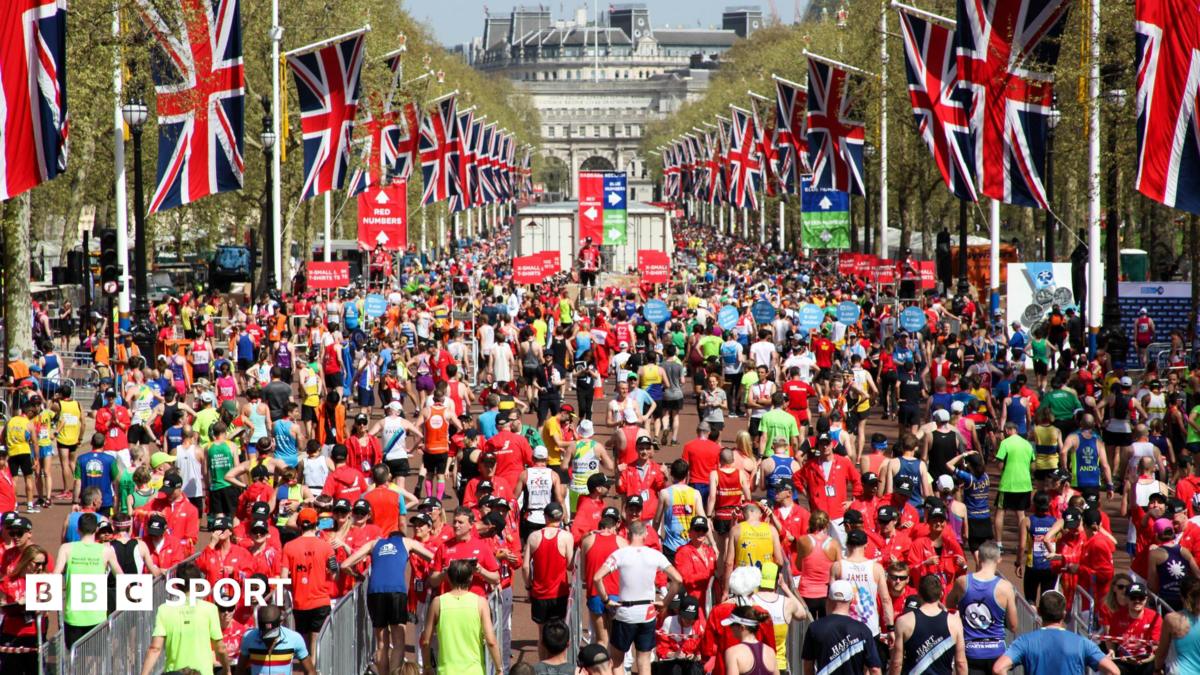
The London Marathon will expand to a two-day event in 2027, marking a significant departure from the race’s traditional single-day format. Organizers confirmed the change as a special, one-off edition of the world-renowned race, designed to increase participation and celebrate the event’s history. The decision comes as the TCS London Marathon continues to see record-breaking demand for entries, with the 2024 event receiving a record 840,318 applications for a place in the ballot, according to official data from the event organizers.
This shift represents a historic modification for a race that has been a staple of the international sporting calendar since its inaugural running in 1981. By extending the marathon across two days, event directors aim to accommodate a larger field of runners while maintaining the logistical integrity of the course through the streets of London. The 2027 edition is currently the only instance where this two-day structure has been announced, serving as a unique milestone for the organization.
Expanding Participation in the 2027 London Marathon
The primary driver behind the transition to a two-day format is the immense global interest in the event. The London Marathon is consistently oversubscribed, leaving hundreds of thousands of applicants disappointed each year. By spreading the race across two days, organizers can effectively double the capacity for mass-participation runners, allowing more athletes to experience the iconic route that passes landmarks such as Tower Bridge and Buckingham Palace.
According to reporting from the BBC, the expansion is intended to mark a special celebration, though the exact distribution of runners between the two days has yet to be finalized. Historically, the London Marathon has hosted tens of thousands of finishers, with the 2024 event seeing 53,819 people cross the finish line, setting a new record for the highest number of finishers in the event’s history, as noted by official press releases. The 2027 change will likely push these figures significantly higher.
Logistical Challenges and Course Management
Hosting a marathon over two days presents significant operational hurdles. The London Marathon route requires extensive road closures across the city, impacting public transport, emergency services, and local businesses. Coordinating these closures for a full weekend rather than a single Sunday requires close cooperation with the Greater London Authority and local borough councils.
Previous large-scale sporting events in the city have utilized similar multi-day strategies, but the London Marathon’s course is uniquely intertwined with the capital’s central infrastructure. Organizers will need to manage the transition of the start line in Greenwich and the finish line on The Mall twice, ensuring that the safety protocols and medical support teams remain at the high standards required for an Abbott World Marathon Major. Further updates regarding the specific schedule and registration processes for the 2027 weekend are expected to be released via the official TCS London Marathon website as planning progresses.
Historical Context of the London Marathon
Since its inception by Chris Brasher and John Disley, the London Marathon has evolved from a race with 7,747 finishers in 1981 to a global phenomenon. It has become a crucial platform for charity fundraising, with participants raising millions of pounds annually for various causes. The move to a two-day event in 2027 is seen by industry analysts as a way to honor this legacy while ensuring the event remains accessible to a new generation of runners.

The marathon remains a key fixture in the elite racing circuit, often attracting the world’s fastest distance runners who compete for major titles and world records. While the two-day format will primarily cater to the mass-participation field, it remains to be seen how elite race scheduling will be managed to ensure competitive fairness for professional athletes competing for the podium. The organizers have stated that more details will be provided as the 2027 event approaches, and they encourage potential participants to keep an eye on official communication channels for updates on ballot openings and entry requirements.
For those interested in the latest developments, the event organizers provide regular updates through their digital platforms, which remain the only verified source for registration news. We invite our readers to share their thoughts on this change in the comments section below.