While reports of smartphone theft have declined in several major metropolitan areas, law enforcement agencies are observing a concerning shift in criminal tactics: thieves are increasingly targeting individuals directly to force them to unlock their devices. This transition from “snatch-and-grab” street crime to confrontational robbery highlights a significant evolution in how criminals bypass digital security measures like Apple’s Activation Lock and Google’s Factory Reset Protection.
Recent data from the Metropolitan Police Service in London indicates that despite a general downward trend in mobile phone thefts across the United Kingdom, the nature of these incidents has grown more aggressive. Authorities report that perpetrators are no longer content with stealing locked handsets that are difficult to resell; instead, they are prioritizing the access to the device’s data and the ability to wipe it clean for the secondary market, according to statements provided by senior police officials earlier this year.
The Shift Toward Coerced Unlocking
The core of this security challenge lies in the effectiveness of modern anti-theft software. Features like Apple’s Activation Lock, which ties a device to a specific user’s iCloud account, render stolen phones virtually useless to unauthorized parties. Because these devices cannot be easily reset or resold, thieves have adapted by shifting their focus to the owner, according to reports from BBC News.
By intimidating or physically threatening victims into entering their passcodes or disabling “Find My” features, criminals can effectively “clean” the device in real-time. This tactic turns a high-security piece of consumer electronics into a standard, factory-reset handset that is far easier to move through illicit channels. Law enforcement officials have noted that this behavior is particularly prevalent in crowded urban environments where victims can be isolated quickly.
Evaluating the Effectiveness of Anti-Theft Protocols
The debate over whether tech giants have done enough to curb smartphone theft reached a peak when police leadership publicly questioned the industry’s approach to device security. While manufacturers argue that their software protections are robust, critics in the law enforcement community suggest that these measures have inadvertently created a new, more dangerous incentive for street-level criminals.

According to figures released by the Office for National Statistics, theft offenses involving mobile phones fluctuate based on regional policing strategies and the availability of resale markets. Experts argue that the solution is not just better software, but a combination of hardware-level security, such as more sophisticated biometric requirements for disabling tracking services, and increased public awareness regarding how to secure devices in public spaces.
What Consumers Can Do to Stay Protected
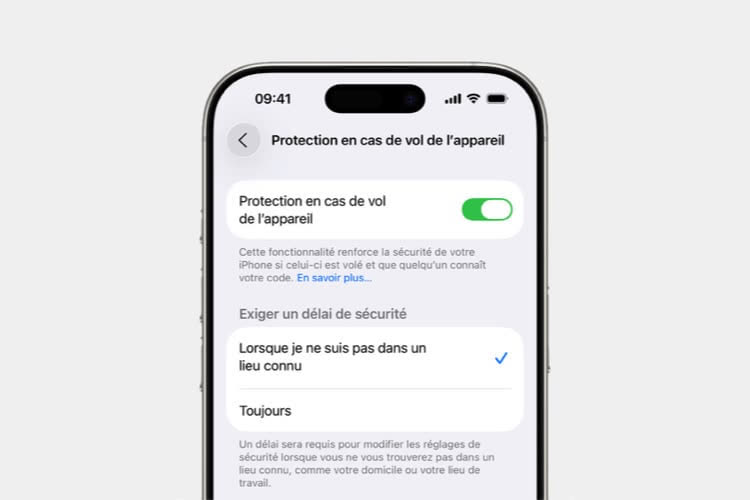
As the landscape of device theft changes, security experts recommend several proactive steps to minimize risk. The primary defense remains the use of a strong, alphanumeric passcode rather than a simple four-digit PIN, which can be observed by onlookers in public spaces. Furthermore, users are advised to enable “Stolen Device Protection” on iOS, a feature that requires biometric authentication for critical changes, such as disabling security settings or accessing saved passwords, even if the thief knows the device passcode.
Additional safety measures include:
- Maintaining regular backups of data to the cloud to ensure information can be recovered if a device is lost or destroyed.
- Avoiding the use of sensitive applications, such as banking or mobile wallets, in high-traffic, outdoor areas where “shoulder surfing” is possible.
- Utilizing remote tracking features immediately upon realizing a device is missing to lock the unit before it can be tampered with.
Official guidance from the Federal Communications Commission emphasizes that reporting a stolen device to both the local police and the wireless carrier is essential, as this allows the carrier to blacklist the device’s unique IMEI number, making it harder to activate on other networks.
Looking Ahead: Industry and Policy Responses
The dialogue between law enforcement agencies and technology companies is ongoing. While no specific legislative mandate has forced a change in design as of late 2024, the pressure remains on developers to prioritize user safety alongside data privacy. Future software updates are expected to focus on “friction” features—adding layers of verification that make it impossible for a thief to rapidly wipe a device, even with the owner’s passcodes.

As these security features continue to evolve, the global tech community remains divided on whether the burden of security should rest on the manufacturer or the user. For now, authorities advise that the most effective deterrent against this new wave of confrontational theft is heightened situational awareness. We will continue to track updates from regulatory bodies and manufacturer security bulletins as they become available. Please share your thoughts or experiences with device security in the comments section below.
Keep reading
- Google cancels mobile AI Studio app, plans deep Gemini integration
- New Xbox Price Rumors Spark Massive Cost Concerns and Industry Debate
- Apple Watch GPS Tracker Leads to Arrest of 27-Year-Old Man in Turin (newsdirectory3.com)
- Baidu Apollo Go Expands Robotaxi Tests to London and Hong Kong (archynewsy.com)