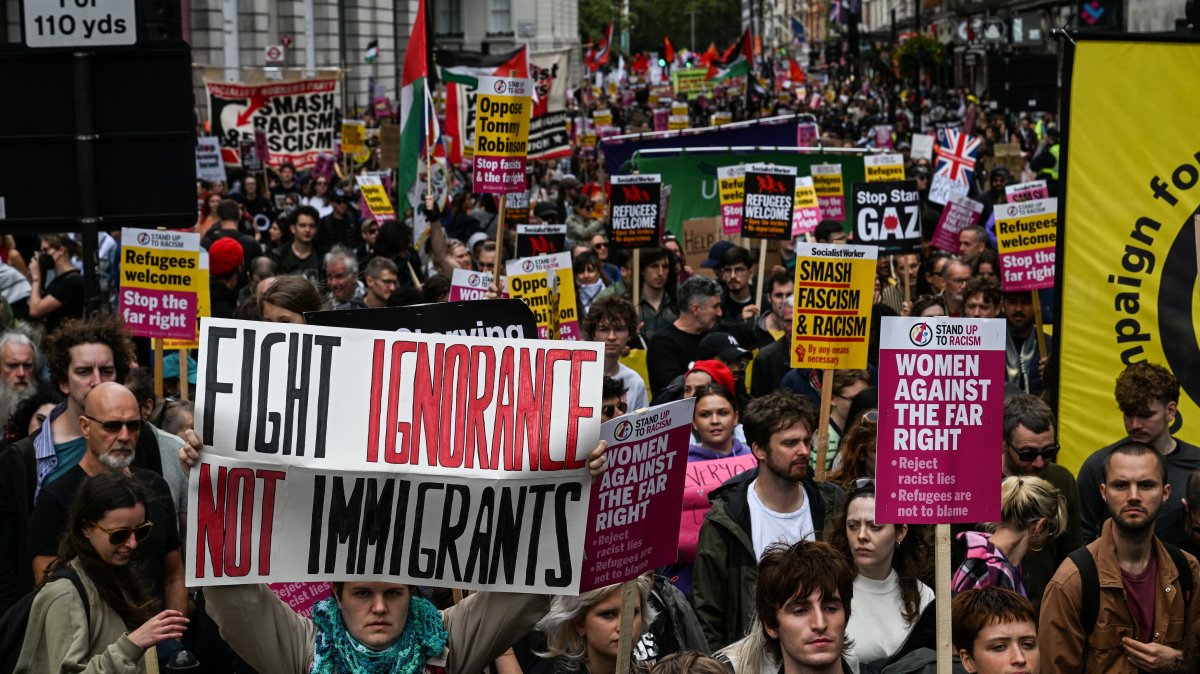
Rising Tensions in London: A Deep Dive into Protests, Immigration, and Free Speech Concerns
London is bracing for important demonstrations this weekend, fueled by escalating anxieties surrounding immigration and freedom of expression. Thes events highlight a growing fracture within British society, as concerns about national identity and border control increasingly dominate the political landscape.
Here’s a comprehensive look at the situation, the key players, and what you need to know:
The Core of the Protests
At the heart of the planned rallies is Tommy Robinson, a controversial figure who has garnered a dedicated following. He recently announced his intention to “take back control” and champion free speech, a message resonating with a segment of the population feeling disenfranchised. Robinson, whose legal name is Stephen Yaxley-Lennon, positions himself as an investigative journalist exposing perceived government overreach.
Notably, he enjoys support from high-profile individuals like Elon Musk, further amplifying his reach. However, mainstream political parties, like Reform UK – currently leading in some opinion polls – are actively distancing themselves from Robinson due to his multiple criminal convictions.
Voices from the Ground
The sentiment driving these protests is palpable. Supporters like Sandra Mitchell articulate a desire to “take our country back” and restore what they perceive as lost freedoms. Specifically, many are demanding an end to illegal immigration, expressing a belief that current policies are unsustainable.
“They need to stop illegal migration into this country,” Mitchell stated,echoing a common refrain among attendees. This underscores a growing frustration with the record number of asylum claims Britain is currently facing. Over 28,000 migrants have crossed the English Channel in small boats this year alone, placing immense strain on resources and fueling public debate.
A Nation Divided: Symbols and Concerns
The visual landscape of Britain is also shifting. Red and white English flags are appearing with increasing frequency, adorning streets and even painted on roads. While some view this as a spontaneous expression of national pride,anti-racism campaigners interpret it as a unfriendly signal directed towards foreigners.
this division reflects a broader societal tension. You’re seeing a situation where core values like national identity and inclusivity are being fiercely contested.
Policing and Security Measures
Law enforcement is preparing for a potentially volatile situation. the metropolitan Police will deploy over 1,600 officers throughout London on saturday, including reinforcements from other forces.
Commander Clair Haynes, leading the operation, emphasized a commitment to impartial policing. “We will approach them as we do any other protests, policing without fear or favor,” she stated. However, police are also aware of past incidents involving “anti-Muslim rhetoric and offensive chanting” and are prepared to address any such occurrences swiftly.
It’s critically important to remember that the police force is already stretched thin, managing high-profile sporting events and concerts alongside these demonstrations. Last weekend alone, nearly 900 people were arrested during a protest against a ban on the Palestine Action group.
The broader Context: Immigration as a Dominant Issue
Immigration has undeniably become the defining political issue in Britain. It has eclipsed even concerns about the struggling economy,capturing the attention of voters and shaping the national conversation.
This shift in focus is driven by several factors:
* Record Asylum Claims: The sheer volume of asylum applications is overwhelming the system.
* Channel Crossings: The hazardous journeys undertaken by migrants in small boats generate significant media coverage and public concern.
* Perceived Strain on Resources: Many believe that increased immigration is placing undue pressure on public services like healthcare and education.
Looking Ahead: What Does This Mean for Britain?
the protests this weekend are not isolated events. They represent a culmination of long-simmering anxieties about national identity, border control, and freedom of speech.
You can expect these issues to remain at the forefront of British politics for the foreseeable future. The outcome will likely depend on how effectively policymakers address the underlying concerns driving these protests and foster a more inclusive and cohesive society.
this is a developing story, and we will continue to provide updates as they become available.