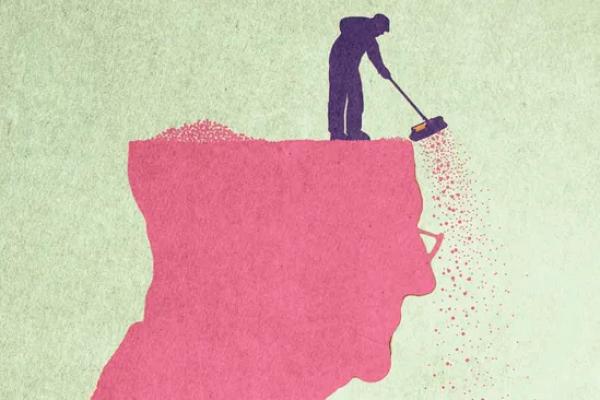
Loneliness is a common human experience, but when it becomes chronic, it can have measurable effects on cognitive function, particularly memory. A growing body of research suggests that persistent feelings of social isolation are associated with poorer performance on memory tests, especially in older adults. Although, scientists emphasize that while loneliness may impair day-to-day recall and concentration, it does not directly cause dementia. This distinction is crucial for public understanding, as it helps prevent unnecessary alarm while still highlighting the importance of social connection for brain health.
The link between loneliness and cognitive decline has been explored in several longitudinal studies, including a notable 2023 analysis published in Nature Aging. Researchers followed over 8,000 adults aged 65 and older in the United Kingdom for up to 15 years, assessing both subjective feelings of loneliness and objective cognitive performance. They found that individuals who reported chronic loneliness scored significantly lower on memory and attention tasks compared to those with strong social ties. Yet, when researchers examined clinical diagnoses of dementia over the same period, loneliness alone did not predict onset—other factors like vascular health, genetics, and lifestyle played more direct roles.
Dr. Lena Hartmann, a neurologist at Charité – Universitätsmedizin Berlin who specializes in cognitive aging, explains that loneliness likely affects the brain through indirect pathways. “Chronic social isolation can lead to increased stress, poor sleep, depression, and reduced physical and mental stimulation—all of which are known to impact hippocampal function, the brain region central to memory formation,” she says. “But unlike neurodegenerative diseases such as Alzheimer’s, which involve progressive neuronal loss and protein pathology, the cognitive effects of loneliness tend to be reversible when social engagement improves.”
This reversibility is supported by intervention studies. A 2022 trial conducted by the University of Chicago and published in The Journals of Gerontology assigned lonely older adults to either a structured social activity program or a control group. After six months, participants in the intervention group showed measurable improvements in verbal memory and processing speed, alongside reduced loneliness scores. Importantly, no participants in either group developed dementia during the study period, reinforcing that loneliness-related cognitive changes are not synonymous with neurodegenerative disease.
Public health experts caution against conflating temporary cognitive slips with dementia. Misplacing keys, forgetting a name, or struggling to concentrate during stressful periods are common and often tied to mood, fatigue, or stress—not neurodegeneration. Dementia, by contrast, involves a progressive decline that interferes with independent functioning, such as managing finances, following recipes, or navigating familiar places. Loneliness may exacerbate attention lapses, but it does not trigger the underlying biological processes seen in dementia.
The World Health Organization (WHO) has recognized social isolation as a growing public health concern, particularly among aging populations. In its 2021 report on social determinants of health, the WHO noted that approximately one in three older adults in high-income countries experiences loneliness, with higher rates among those living alone, facing mobility limitations, or grieving recent losses. While not classified as a medical condition, loneliness is increasingly viewed as a modifiable risk factor for poorer health outcomes, including cardiovascular disease and depression—both of which can indirectly affect cognition.
For individuals concerned about memory changes, experts recommend focusing on controllable lifestyle factors. Regular physical activity, maintaining a balanced diet rich in omega-3 fatty acids and antioxidants, managing blood pressure and cholesterol, and staying mentally engaged through reading, puzzles, or learning new skills all contribute to cognitive resilience. Equally important is nurturing relationships—whether through community groups, volunteering, or regular contact with family and friends—as these provide emotional support and cognitive stimulation.
Technology can play a supportive role, though it is not a substitute for in-person connection. Video calls, messaging apps, and online communities have helped reduce isolation for some, especially during periods of restricted mobility like the COVID-19 pandemic. However, research suggests that face-to-face interaction offers unique benefits for emotional regulation and brain health that digital communication may not fully replicate.
Looking ahead, researchers are exploring how loneliness intersects with other risk factors for cognitive decline. A 2024 study from the Karolinska Institutet in Sweden is investigating whether genetic predispositions to Alzheimer’s disease amplify the negative effects of loneliness on memory. Early findings suggest that while loneliness does not cause dementia, it may lower the threshold at which underlying vulnerabilities manifest clinically—meaning socially isolated individuals with risk factors might show symptoms earlier than those with strong support networks.
As populations age globally, addressing loneliness is becoming part of broader brain health strategies. Countries like Japan and the United Kingdom have appointed ministers for loneliness to coordinate cross-sector responses, including community outreach, transportation access for seniors, and intergenerational programs. In Germany, where Dr. Fischer is based, initiatives such as “Nachbarschaftshilfe” (neighborhood help) networks aim to reduce isolation among older adults through local volunteer efforts.
The next major update on this topic is expected from the ongoing English Longitudinal Study of Ageing (ELSA), with new cognitive and psychosocial data slated for release in late 2024. Researchers will continue to examine how changes in social connection over time correlate with memory trajectories, adjusting for health behaviors and socioeconomic status.
Understanding the nuanced relationship between loneliness and memory empowers individuals to take proactive steps without fear of inevitable decline. While no one is immune to feeling alone at times, sustained isolation poses risks that extend beyond mood—touching cognitive performance, emotional well-being, and physical health. The good news is that these effects are often reversible. By fostering connection, staying active, and seeking support when needed, people can protect their memory and overall brain health at any age.
We invite readers to share their experiences or thoughts on maintaining social ties and cognitive wellness in later life. Your insights help foster a deeper understanding of how communities can support healthy aging. Please perceive free to comment below and share this article with others who may find it informative.
Worth a look