Unraveling Long COVID: The Link Between Microclots, NETs, and Chronic Illness – A Deep Dive
Long COVID, the constellation of debilitating symptoms persisting after the acute phase of a SARS-CoV-2 infection, remains a significant global health challenge. Recent research is shedding light on the underlying mechanisms driving this complex condition, and a compelling new study points to a critical interplay between circulating microclots and neutrophil extracellular traps (NETs) as a key factor in its pathophysiology. This revelation,bolstered by cutting-edge analytical techniques including machine learning,offers not only a deeper understanding of Long COVID but also potential avenues for improved diagnosis and targeted therapies.
The Emerging Picture of Long COVID Pathophysiology
For months, even years, after initial infection, many individuals experience a range of symptoms including fatigue, brain fog, shortness of breath, and cardiovascular issues. The reasons behind this prolonged illness have been elusive,but mounting evidence suggests that persistent inflammation and microvascular dysfunction play central roles. This new research, a collaborative effort between the teams of Professor Resia Pretorius (Stellenbosch University) and Dr. Alain Thierry (Montpellier Cancer Institute, INSERM), provides a crucial piece of the puzzle.
What are microclots and Why Do They Matter?
The concept of microclots – abnormal clumps of blood clotting proteins circulating in the bloodstream – gained prominence during the COVID-19 pandemic. Professor Pretorius first identified these structures in 2021 in blood samples from COVID-19 patients, raising concerns about their potential contribution to the coagulopathies (blood clotting abnormalities) observed in severe cases. Microclots impede blood flow, possibly leading to oxygen deprivation in tissues and contributing to a variety of symptoms.
Understanding Neutrophil Extracellular traps (NETs): A Double-Edged Sword
neutrophils, a type of white blood cell, are crucial components of the innate immune system. When faced with infection, they employ a defense mechanism called NETosis, releasing their DNA to form web-like structures called NETs. These nets trap and neutralize pathogens, preventing their spread. Dr. Thierry’s team was among the first to highlight the significant role of NETs in the initial stages of COVID-19.
However, this protective response can become detrimental. Excessive NET formation is now linked to a growing list of inflammatory and thrombotic diseases, including autoimmune disorders, cancer, diabetes, and arthritis. The key lies in regulation: when NET production becomes uncontrolled and persistent, it can fuel a vicious cycle of inflammation and clotting, exacerbating disease severity. Dr. Thierry explains that this self-perpetuating loop may be a critical driver of chronic illness.
The Critical Connection: Microclots and NETs in Long COVID
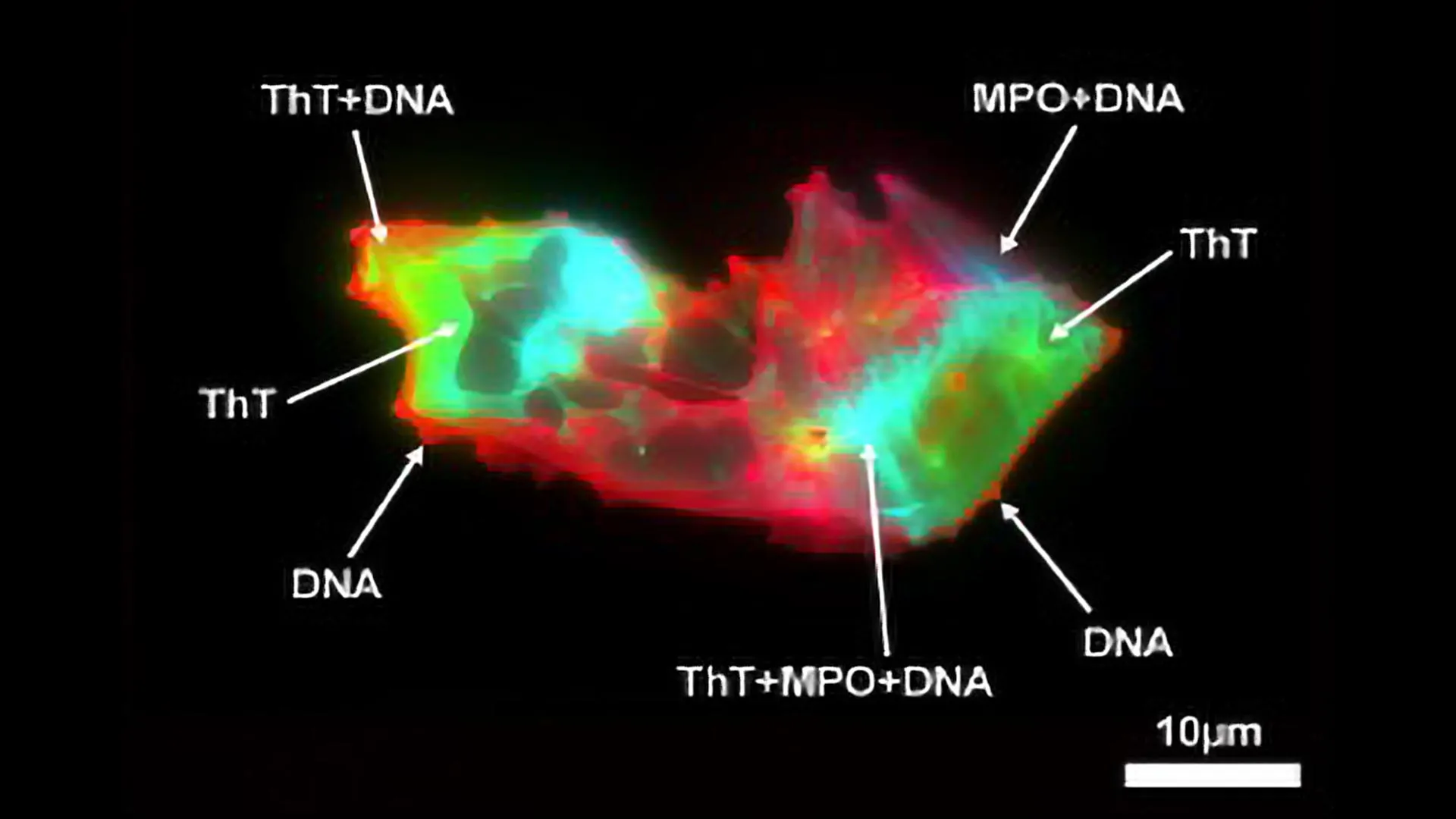
The groundbreaking aspect of this new study lies in the discovery of a structural association between microclots and NETs in Long COVID patients. Using advanced imaging techniques – imaging flow cytometry and fluorescence microscopy – researchers compared plasma samples from individuals with Long COVID to those of healthy controls.They observed:
* Elevated Biomarkers: Significantly higher levels of biomarkers associated with both microclots and NETs in Long COVID patients.
* Larger Microclots: Microclots were not only more numerous but also larger in size in the patient group.
* Structural Linkage: A previously unreported physical connection between microclots and NETs, present in all subjects but dramatically more pronounced in those with Long COVID.
This finding suggests that excessive NET production isn’t just correlated with Long COVID, but actively contributes to the formation and stabilization of microclots. Professor Pretorius posits that NETs may render microclots more resistant to breakdown (fibrinolysis),allowing them to persist in circulation and cause chronic microvascular damage.
The Power of Machine Learning in Diagnostic Precision
The researchers didn’t stop at observation. They leveraged the power of Artificial Intelligence, specifically machine learning algorithms, to analyze the biomarker data. This approach yielded remarkable results:
* High Accuracy Diagnosis: Machine learning models accurately distinguished Long COVID patients from healthy controls.
* Biomarker Identification: The algorithms pinpointed the most predictive combinations of biomarkers, offering a refined diagnostic signature.
* personalized Medicine Potential: This paves the way for tailored treatment strategies based on individual biomarker profiles.
This integration of AI demonstrates a commitment to methodological rigor and underscores the potential for advanced data analysis to revolutionize our understanding of complex diseases like Long COVID.
Implications for Treatment and Future Research
This study provides compelling evidence that targeting the interplay between NETs and microclots could be a promising therapeutic strategy for Long COVID. Modulating the inflammatory and thrombotic responses, potentially through interventions aimed at reducing NET formation or enhancing micro
Keep reading