From Debilitation to Determination: Running Beyond Long COVID
Have you ever felt like a virus stole more than just your physical health? For years, Sarah Weimer lived with the frustrating reality of long-haul COVID-19, a condition impacting millions globally. Her story isn’t just about recovery; it’s a testament to resilience and the power of reclaiming your life after chronic illness. This article delves into the challenges of long COVID recovery,offering insights,practical advice,and hope for those navigating similar journeys. we’ll explore symptoms, treatment approaches, and the inspiring path back to physical activity, including marathon training.
Understanding the Long Shadow of COVID-19
Long COVID,also known as Post-Acute Sequelae of SARS-CoV-2 infection (PASC),is a complex condition characterized by symptoms persisting weeks or months after the initial infection. Recent data from the CDC estimates that approximately 1 in 13 adults in the US experience symptoms of long COVID. (CDC, October 2023). These symptoms are incredibly varied,ranging from debilitating fatigue and brain fog to heart palpitations and neurological issues.
Sarah Weimer’s experience perfectly illustrates this. “The most debilitating was definitely the fatigue,” she shared. “I just couldn’t get out of bed… I had heart palpitations. My lymph nodes would swell up. I had severe headaches.” This echoes common reports of post-COVID fatigue syndrome and the systemic impact of the virus. Othre frequently reported symptoms include dyspnea (shortness of breath), chest pain, and cognitive dysfunction – often referred to as “brain fog.”
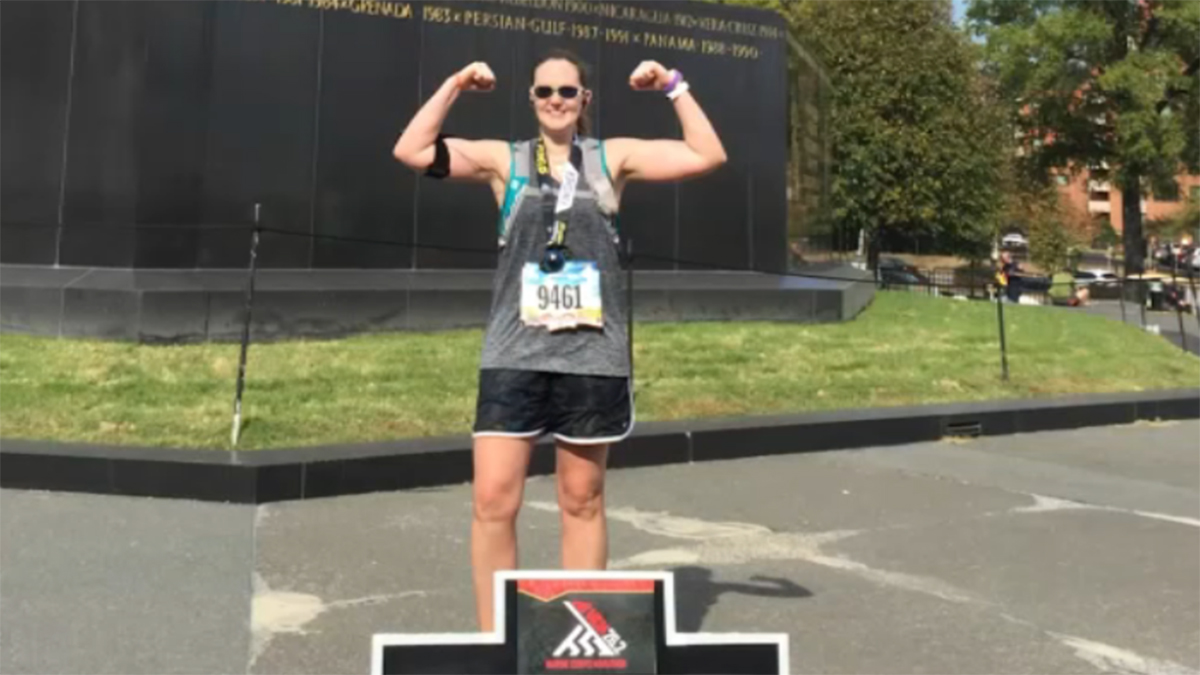
For active individuals like Weimer, a physical therapist specializing in orthopedic injuries and a two-time Marine Corps Marathon finisher, the loss of physical capability was particularly devastating. She described how long COVID “took everything away from me… from running to my mental health.” This highlights the important impact on quality of life and the importance of addressing both physical and mental wellbeing during chronic COVID symptoms.
A Turning Point: Unexpected Remission & Marathon Goals
Remarkably, Weimer experienced a breakthrough after a second COVID-19 infection in July.Her symptoms vanished, allowing her to return to running and begin training for the Marine Corps Marathon. While the reasons for this remission are still being investigated, emerging research suggests that subsequent infections can sometimes trigger an immune response that clears lingering viral reservoirs. (National Institutes of health, ongoing research).
Starting her training in August, Weimer acknowledges the nerves but embraces the challenge. For her, completing the marathon isn’t about speed; it’s about closure. “This marathon means everything to me because I have not been able to run for four years,” she stated. “Being able to just do this marathon, even if I have to walk it in, it’s completion for me.” This embodies a powerful mindset shift – focusing on achievable goals and celebrating progress, nonetheless of pace.
Practical Tips for Returning to Exercise After Long COVID:
* Start Slow: Begin with very low-intensity activities, like walking, and gradually increase duration and intensity.
* Listen to Your Body: pay attention to symptoms like fatigue, shortness of breath, and heart palpitations. Stop if you experience any worsening of symptoms.
* Pace Yourself: Avoid “pushing through” symptoms. utilize the principles of pacing – breaking down activities into smaller, manageable chunks with rest periods.
* Consider a Cardiac Rehab Program: If you experience heart-related symptoms, a cardiac rehabilitation program can provide supervised exercise and monitoring.
* Work with a Healthcare Professional: A doctor or physical therapist can help you develop a safe and effective exercise plan tailored to your individual needs.
Related Keywords: post-COVID condition, long-term effects of COVID, exercise after COVID, managing long COVID symptoms, rehabilitation after COVID.
LSI Keywords: viral shedding, immune dysregulation, post-exertional malaise, cardiac involvement, neurological symptoms.
Evergreen Section: The Importance of Holistic Recovery
Beyond physical rehabilitation,holistic recovery from long COVID is crucial. This includes prioritizing sleep, nutrition, stress management, and mental health support. Mindfulness practices, such as meditation and deep breathing exercises, can help manage anxiety and improve overall wellbeing. Connecting with support groups and sharing experiences with others facing similar challenges can also be incredibly beneficial. Remember, recovery isn’t linear; there will be setbacks.
Related reading