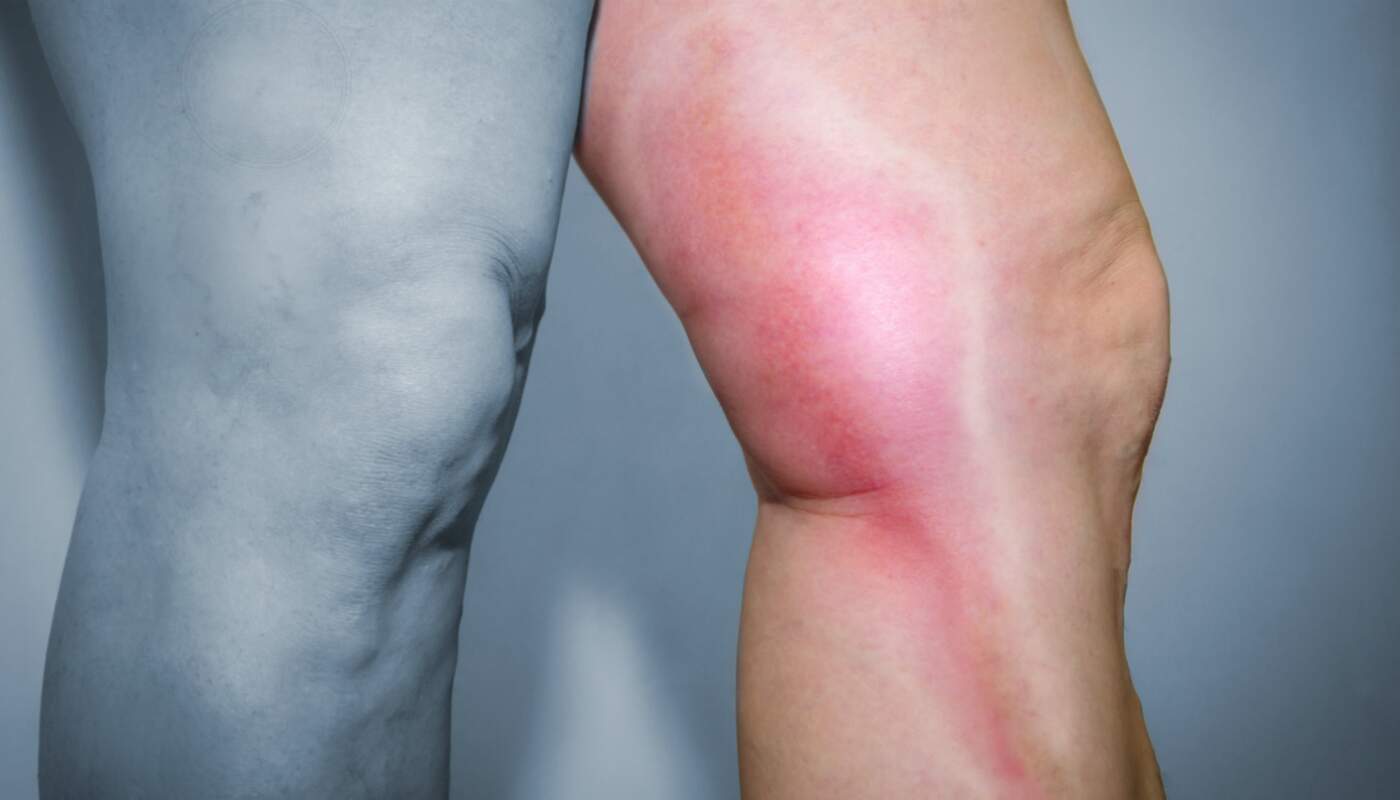
Travelers on journeys exceeding four hours face a significantly increased risk of developing venous thrombosis, a condition where blood clots form in the veins. This heightened risk is primarily driven by prolonged immobility, which can lead to blood stasis in the lower limbs during long-haul flights or extended vehicle trips.
Medical observations suggest that the risk of developing these clots can effectively double when travel duration surpasses the four-hour mark. This phenomenon is often associated with “economy class syndrome,” a term used to describe deep vein thrombosis (DVT) resulting from the physical constraints and inactivity inherent in long-distance travel.
How prolonged immobility triggers blood clots during travel
The primary mechanism behind travel-related thrombosis is venous stasis. Under normal conditions, the movement of leg muscles—specifically the calf muscles—acts as a biological pump that assists blood in returning from the lower extremities to the heart. When a person remains seated for several hours without movement, this “muscle pump” mechanism fails.

As blood flow slows, it can pool in the deep veins of the legs. This stagnation increases the likelihood that blood components will aggregate and form a clot. If a clot forms in a deep vein, it is classified as deep vein thrombosis (DVT). The most significant danger occurs if a portion of the clot breaks loose, travels through the bloodstream, and becomes lodged in the lungs, causing a life-threatening condition known as a pulmonary embolism (PE).
The connection between varicose veins and thrombosis risk
Individuals with pre-existing varicose veins may face an elevated risk of complications during long-duration travel. Varicose veins occur when the tiny valves within the veins, which are responsible for keeping blood flowing upward toward the heart, become weakened or damaged. When these valves fail, blood can flow backward and pool in the vein, causing it to swell and twist.
Because varicose veins already involve compromised blood flow and turbulence, the added stress of prolonged sitting during a flight or car ride can exacerbate the issue. For those with visible or symptomatic varicose veins, the physiological environment is already predisposed to stasis, potentially making the onset of venous thrombosis more likely during extended periods of inactivity.
Recognizing the symptoms of deep vein thrombosis (DVT)
Early identification of symptoms is critical to preventing a pulmonary embolism. While DVT often occurs without immediate pain, medical professionals advise watching for specific physical changes, typically in one leg rather than both. Common indicators include:
- Unilateral swelling: Swelling that occurs in only one leg, often in the calf or thigh.
- Localized pain: A cramping or soreness sensation that may start in the calf and feel worse when walking or standing.
- Skin discoloration: Redness or a bluish tint to the skin on the affected limb.
- Warmth: A noticeable increase in skin temperature in the area where the clot is suspected.
If these symptoms are accompanied by shortness of breath, chest pain that worsens with a deep breath, or a rapid heart rate, it may indicate that a clot has reached the lungs, requiring immediate emergency medical intervention.
Practical steps to reduce thrombosis risk during long trips
While travelers cannot avoid the duration of their journeys, they can implement several strategies to mitigate the risk of blood clots. These measures focus on maintaining circulation and managing physiological risk factors.
Movement and hydration
Regular movement is the most effective way to engage the calf muscle pump. Travelers are encouraged to stand up and walk the aisle of an aircraft or step out of a vehicle every one to two hours. Even while seated, performing “ankle pumps”—flexing the feet up and down repeatedly—can help maintain blood flow in the lower legs.
Hydration is equally vital. Dehydration can cause blood to thicken, further increasing the risk of clotting. Travelers should prioritize water consumption and avoid excessive alcohol or caffeine, which can contribute to dehydration during long trips.
Compression and lifestyle management
For those at higher risk, medical professionals often recommend the use of medical-grade compression stockings. These garments apply graduated pressure to the legs, helping to keep blood moving upward and preventing it from pooling in the lower extremities.
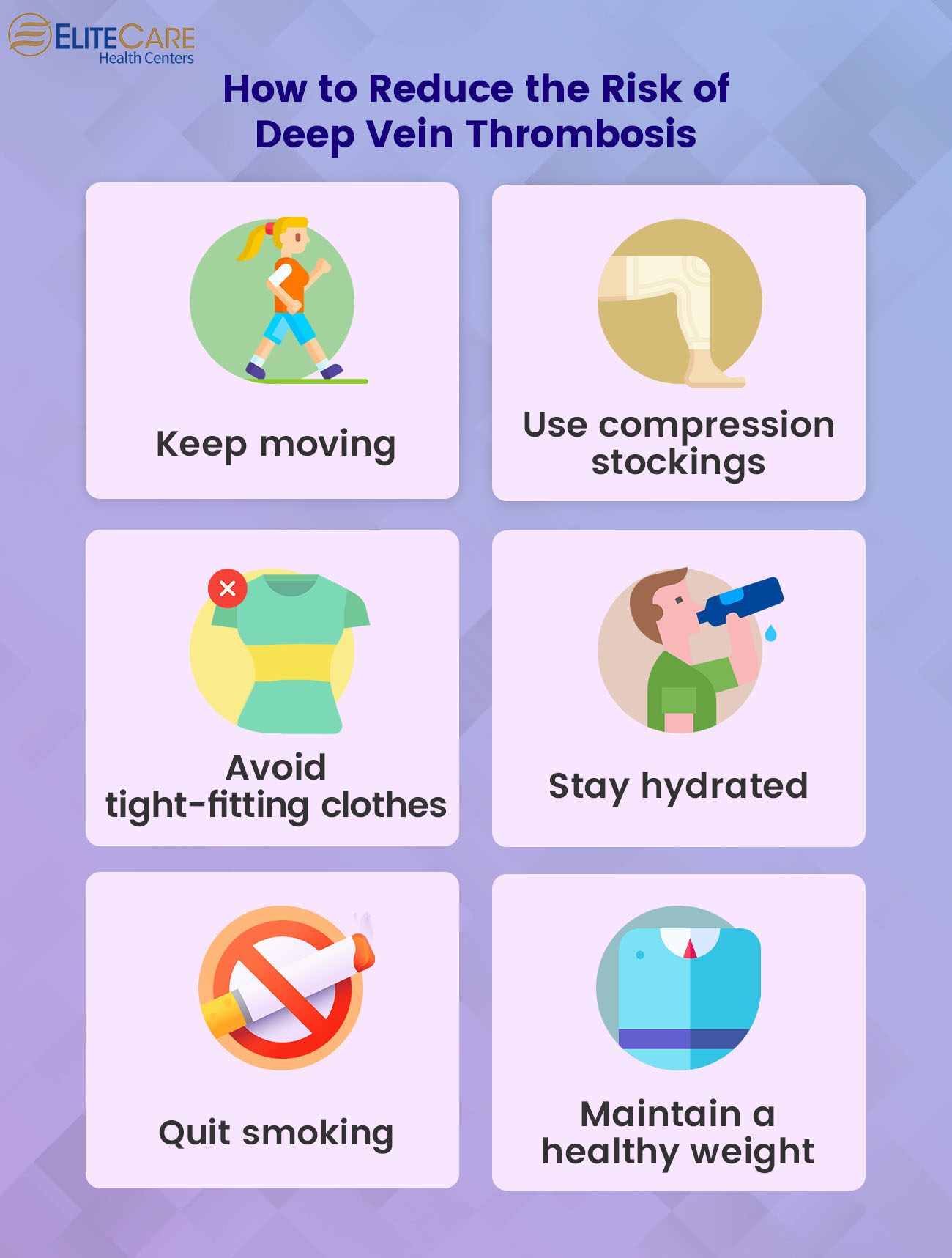
Individuals with known risk factors, such as obesity, recent surgery, or those taking hormonal contraceptives, should consult a healthcare provider before embarking on long-distance travel to discuss specific preventative measures.
Summary of elevated risk factors for venous thrombosis
| Risk Category | Specific Factors |
|---|---|
| Physical Condition | Obesity, pregnancy, or recent orthopedic surgery |
| Medical History | History of DVT, varicose veins, or clotting disorders |
| Lifestyle/Biological | Smoking, use of oral contraceptives, or advanced age |
| Travel Specifics | Immobility for periods exceeding four hours |
Individuals planning long-distance travel who have a history of vascular issues should schedule a consultation with their physician to review their specific risk profile and receive personalized guidance on preventative care.
Do you have questions about travel health or vascular safety? Share your thoughts in the comments below and share this article with fellow travelers.
Related reading