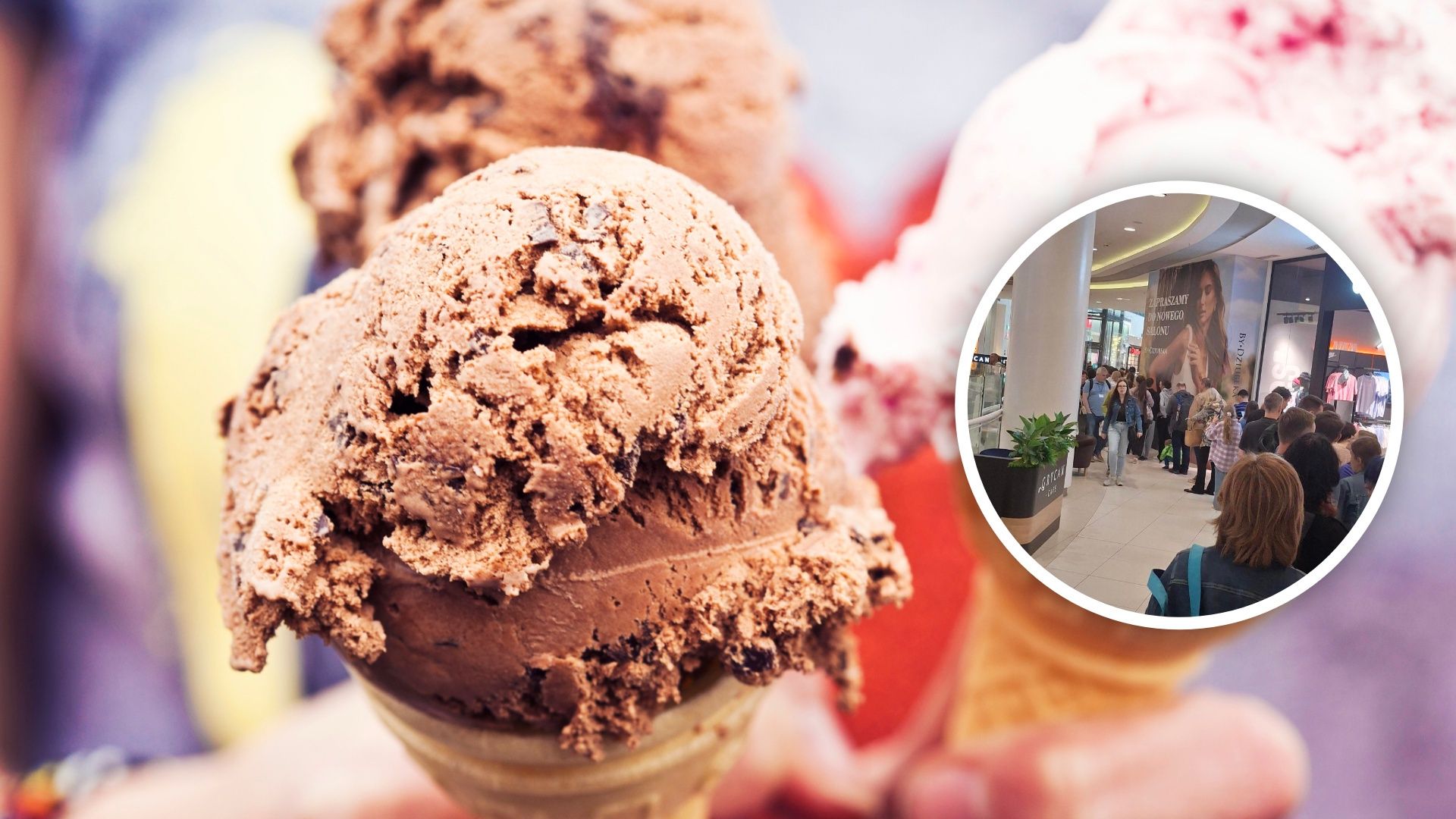
In an era where digital commerce dominates the retail landscape, the sight of hundreds of people forming a physical queue at a shopping mall remains a potent anomaly. Recent viral social media activity highlighting long lines for a specific ice cream brand in a major retail center has sparked a broader conversation about the “experience economy”—a shift in consumer behavior where the product itself is often secondary to the spectacle of its acquisition.
As a financial journalist, I have observed that these instances of “retail FOMO” (fear of missing out) are rarely about the product alone. Whether We see a limited-edition sneaker drop or a trendy dessert, these queues function as high-visibility social signaling. For the modern consumer, standing in a popular shopping mall queue is as much about the social proof of being there as it is about the actual consumption of the goods.
The Psychology Behind the Retail Queue
The phenomenon of the “ice cream queue” is rooted in principles of scarcity and social validation. When consumers see a long line, it serves as a heuristic—a mental shortcut—suggesting that the product must be of high quality or exclusive value. This is a well-documented behavioral economics concept often referred to as “social proof,” where individuals mirror the actions of others to reflect correct behavior in a given situation, as outlined in research by the American Psychological Association on collective social influence.
From a business perspective, these queues are a double-edged sword. While they provide immense organic marketing value through user-generated content on platforms like Instagram and TikTok, they also highlight potential operational bottlenecks. Businesses that fail to manage these crowds effectively risk alienating consumers who value their time, potentially damaging long-term brand loyalty for the sake of a short-term viral moment.
The Experience Economy: More Than Just a Dessert
The “experience economy,” a term popularized by Joseph Pine and James Gilmore, suggests that businesses must orchestrate memorable events for their customers to remain competitive. In the case of the viral ice cream queues, the shopping center acts as a stage. The retail environment is no longer just a place to transact; it is a destination for leisure and lifestyle curation.
Data from the World Economic Forum highlights that successful brick-and-mortar retailers are increasingly pivoting toward “experiential retail.” This includes pop-up shops, exclusive brand activations and limited-time menu items designed specifically to drive foot traffic. For shopping mall operators, these events are essential to maintaining occupancy rates and relevance in a market where e-commerce is the default choice for convenience-based shopping.
Economic Implications for Retailers
While the visual of a long line suggests high revenue, the financial reality is more nuanced. High-volume, low-margin products like ice cream require significant operational efficiency. If the cost of managing the crowd—security, cleaning, and potential loss of other foot traffic—exceeds the profit margin of the sales, the exercise may be a net loss for the tenant.
retail analysts often look at “dwell time” as a key performance indicator. A consumer standing in line for 45 minutes is a consumer who is not visiting other shops in the mall. Mall management must balance the excitement generated by these viral moments against the overall ecosystem of the shopping center. According to reports on global retail trends from McKinsey & Company, the most successful malls are those that integrate these high-traffic events into a broader, diversified strategy that encourages extended stay times across multiple categories, not just food and beverage.
Key Takeaways for the Modern Consumer
- The Scarcity Trap: Recognize that long queues are often engineered or amplified by social media to create a perception of high demand.
- Opportunity Cost: Before joining a lengthy line, consider the value of your time. Is the experience worth the delay?
- Retail Evolution: The shift toward “experiential retail” means we will likely see more, not fewer, of these orchestrated moments in public spaces.
- Digital vs. Physical: While digital marketing drives these queues, the success of the business depends on its physical ability to handle the surge without compromising customer service.
What Happens Next?
As we look toward the upcoming retail season, industry analysts expect to see an increase in “micro-activations” across major metropolitan shopping centers. These events are scheduled to coincide with quarterly financial reporting periods, as retailers seek to demonstrate high engagement metrics to stakeholders. We will continue to monitor how these trends impact quarterly retail performance and foot traffic data in upcoming industry filings.
Have you encountered an unexpectedly long queue at a shopping mall recently? Share your thoughts on whether the experience lived up to the hype in the comments below, or join the conversation on our social channels.
Worth a look