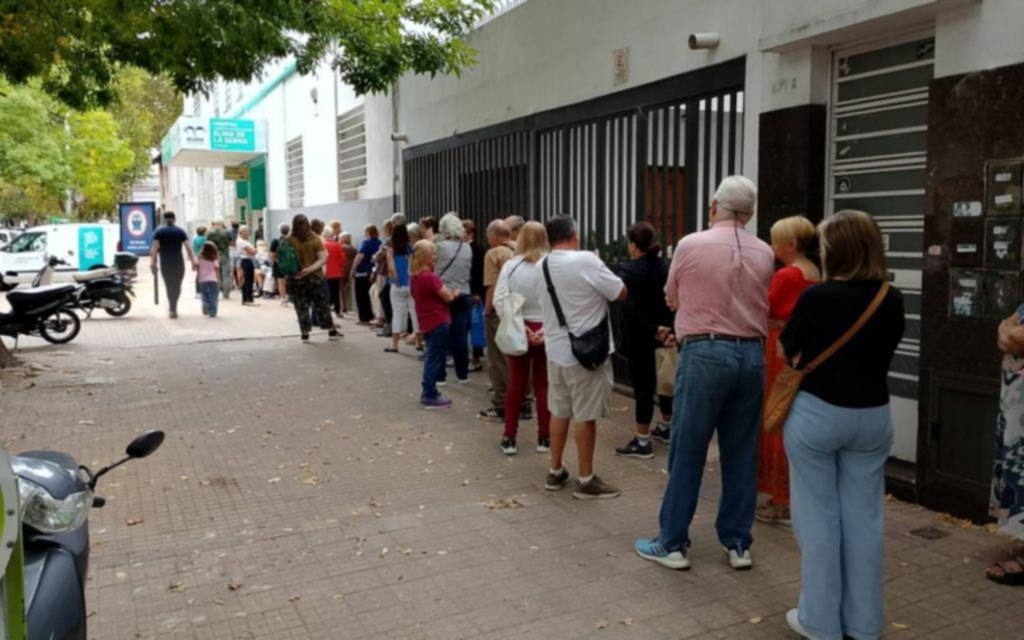
The arrival of autumn in the Southern Hemisphere typically signals the start of flu season, but this year, residents of La Plata, Argentina, are facing unusually long waits to receive their annual influenza vaccination. Reports indicate that individuals are queuing for over five hours at public health centers, a stark contrast to the typically swift process. This surge in demand is driven by a combination of factors, including concerns over new viral variants and the economic realities making the free public vaccine a crucial resource for many.
The early launch of the 2026 flu vaccination campaign, prompted by anxieties surrounding circulating strains like the “subclade K” variant, has overwhelmed healthcare facilities in the province of Buenos Aires. Hospitals, the Central Vaccination Center, and Primary Health Care Centers (CAPS) are experiencing unprecedented levels of foot traffic. The financial burden of obtaining the vaccine privately – with doses costing around 70,000 Argentine pesos – is also a significant driver, making the free public option particularly appealing. This situation highlights the intersection of public health concerns and economic pressures within the Argentine healthcare system.
Long Waits Reflect Public Concern
The delays are causing considerable frustration among those seeking protection against the flu. One resident reported waiting from 8:00 AM until 1:30 PM at a vaccination center on Calle 8, 41, and 42, still without having received their shot. Similar scenes are unfolding across various neighborhoods, placing a strain on already stretched healthcare personnel. The Instituto Médico Platense (IMP), a group of medical institutions serving the La Plata region, is likely facing increased pressure alongside other public health providers. The IMP website lists several locations within the area, including City Bell and Berisso, which are likely experiencing similar demand.
The heightened alert is justified. The influenza A (H3N2) strain, which circulated widely during the winter months in Europe and the United States, demonstrated significant severity. Its aggressive nature and high contagiousness, particularly with the emergence of recent variants, have raised concerns among health officials in the region. The provincial Ministry of Health has stated that the aim of this accelerated vaccination rollout is to reduce hospitalization and mortality rates among vulnerable populations. The World Health Organization (WHO) regularly monitors influenza strains and provides recommendations for vaccine composition; their latest updates are crucial for understanding the evolving threat. The WHO’s influenza page provides detailed information on global surveillance and vaccine development.
Currently, vaccination is prioritized for healthcare workers and individuals aged 65 and older. However, the rollout schedule is expanding. Beginning Monday, March 23rd, pregnant women (in any trimester), postpartum individuals (within 10 days of delivery), children aged 6 months to 2 years, strategic personnel, and individuals between 2 and 64 years with risk factors will be eligible. Those in the latter category will need to present medical certification. It’s important to note that a doctor’s order is not required for vaccination, and the flu shot can be administered alongside other vaccines on the national immunization schedule. Individuals are advised to bring their national ID (DNI) and vaccination record book (libreta sanitaria) to their appointments.
Expanding Eligibility and Public Health Strategy
The decision to expand eligibility reflects a proactive approach to public health, aiming to protect a broader segment of the population. The inclusion of pregnant women and young children is particularly important, as these groups are at higher risk of severe complications from influenza. The requirement for medical certification for individuals aged 2-64 with risk factors ensures that those most vulnerable receive timely protection. This tiered approach to vaccination is a common strategy employed by public health authorities to optimize vaccine distribution and maximize impact.
The Instituto Médico Platense, as a key healthcare provider in the region, is likely playing a central role in administering the vaccine and coordinating the expanded rollout. Their Facebook page provides updates and information for the local community. The success of this campaign will depend on efficient logistics, adequate staffing, and clear communication to the public. The challenges of managing long queues and ensuring equitable access to vaccination are significant, but essential for mitigating the potential impact of the flu season.
Beyond vaccination, public health officials emphasize the importance of preventative measures, such as frequent handwashing, covering coughs and sneezes, and staying home when sick. These simple steps can significantly reduce the spread of influenza and protect vulnerable individuals. The Argentine Ministry of Health provides comprehensive information on influenza prevention and treatment on its website.
The current situation in La Plata underscores the ongoing challenges of pandemic preparedness and the importance of investing in robust public health infrastructure. The long wait times for vaccination are a symptom of a system under strain, highlighting the need for increased resources and improved coordination to effectively respond to public health emergencies. The experience in La Plata serves as a valuable lesson for other regions as they prepare for the upcoming flu season.
Looking ahead, the next phase of the vaccination campaign will focus on reaching the newly eligible groups, starting on March 23rd. Continued monitoring of influenza activity and vaccine coverage rates will be crucial for assessing the effectiveness of the program and making adjustments as needed. The Ministry of Health will likely provide regular updates on the progress of the campaign and any changes to the rollout schedule.
What are your experiences with the flu vaccination process this year? Share your thoughts and concerns in the comments below. And please, share this article with your friends and family to help spread awareness about the importance of flu vaccination.
Related reading