
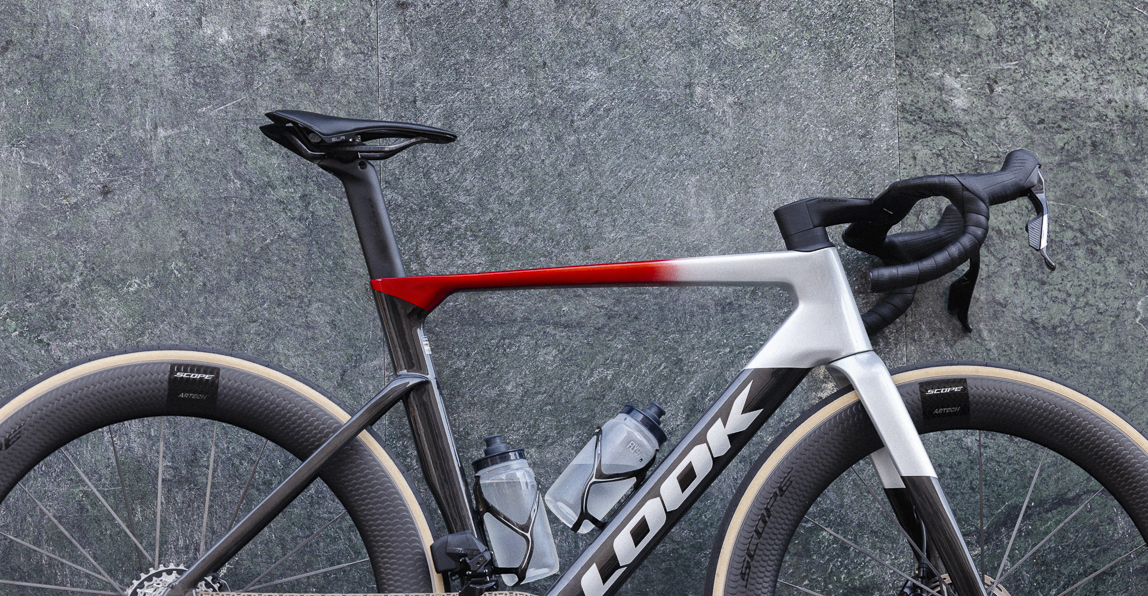
Look Cycle has released the 795 Blade RS 3, a third-generation aero road bike designed to reduce drag and lower overall mass, with a minimum weight of 6.9 kg according to official company specifications. The new model integrates advanced carbon fiber molding to improve aerodynamic efficiency while maintaining the stiffness required for professional racing.
The 795 Blade RS 3 targets the “aero-light” segment of the market, attempting to bridge the gap between dedicated time-trial geometries and lightweight climbing frames. By refining the tube shapes and optimizing the carbon layup, Look claims the RS 3 offers a significant reduction in wind resistance compared to its predecessor, the 795 Blade RS.
Engineers focused on the front end of the bike to minimize the air pocket created by the rider’s interaction with the handlebars. The frame utilizes a proprietary carbon construction that allows the bike to remain under the 7 kg threshold, a critical benchmark for competitive road cycling and UCI weight regulations.
How does the 795 Blade RS 3 improve aerodynamics and weight?
The 795 Blade RS 3 achieves its 6.9 kg weight through a revised carbon fiber schedule that removes unnecessary material without sacrificing structural integrity. According to Look Cycle, the frame’s geometry has been tweaked to lower the rider’s profile, which naturally reduces the frontal area and drag.

The aerodynamic gains are primarily found in the refined shapes of the down tube and seat tube. The RS 3 employs truncated airfoil shapes that manage airflow more effectively in real-world crosswind conditions, rather than just in a controlled wind tunnel. This design choice prevents the bike from becoming unstable at high speeds while maintaining a low coefficient of drag.
Integration is a central pillar of the RS 3’s design. The cockpit features fully internal cable routing, which eliminates the turbulence caused by exposed housing. This integration extends from the handlebar through the stem and directly into the head tube, creating a seamless transition that slices through the air.
What are the technical specifications of the new frame?
The 795 Blade RS 3 is built around a high-modulus carbon frame. While specific layup details are proprietary, the result is a chassis that weighs significantly less than previous aero-focused iterations from the brand. The 6.9 kg total build weight includes the frame, fork, and a high-performance groupset and wheelset.

Key technical features include:
- Weight: 6.9 kg (base build).
- Frame Material: Advanced high-modulus carbon fiber.
- Cable Management: Full internal routing for reduced drag.
- Geometry: Optimized for professional racing and aerodynamic efficiency.
The bike is designed to be compatible with the latest electronic shifting systems, which further contributes to the clean aesthetic and weight savings by removing mechanical cables. The fork is specifically tuned to balance vibration damping with the precision steering needed for high-speed descents.
Who is the target audience for the RS 3?
The 795 Blade RS 3 is positioned for competitive cyclists and professional racers who require a versatile machine capable of winning both flat sprints and undulating climbs. Because it maintains a weight under 7 kg, it avoids the “weight penalty” typically associated with aero bikes, which often exceed 8 kg when fully equipped.
This model competes directly with other aero-light frames from brands like Specialized and Trek. The “why it matters” here is the shift in industry trends: manufacturers are no longer choosing between a “climbing bike” and an “aero bike.” Instead, they are merging the two into a single “superbike” category. The RS 3 represents Look’s entry into this converged market.
For the consumer, this means a single bike can handle a variety of terrains without the need for a secondary lightweight frame for mountainous stages. The reduction in weight to 6.9 kg makes the RS 3 a viable option for riders who prioritize acceleration and climbing efficiency as much as top-end speed.

Look has not yet released a comprehensive global pricing list for all regional markets, but the bike is expected to occupy the premium tier of their product lineup. Availability will likely roll out in phases across European and North American markets.
The next expected development for the 795 line will be the release of full professional team race results and independent wind-tunnel validation data to support the company’s aero claims. For the latest updates on availability and local pricing, interested buyers should monitor official Look Cycle dealer portals.
Do you think the move toward “aero-light” bikes is the final evolution of the road frame, or is there still room for specialized climbing bikes? Share your thoughts in the comments below.