Arctic security: US and Norway Deepen Cooperation Amidst Rising Geopolitical tensions
Published: 2026/02/15 00:57:51
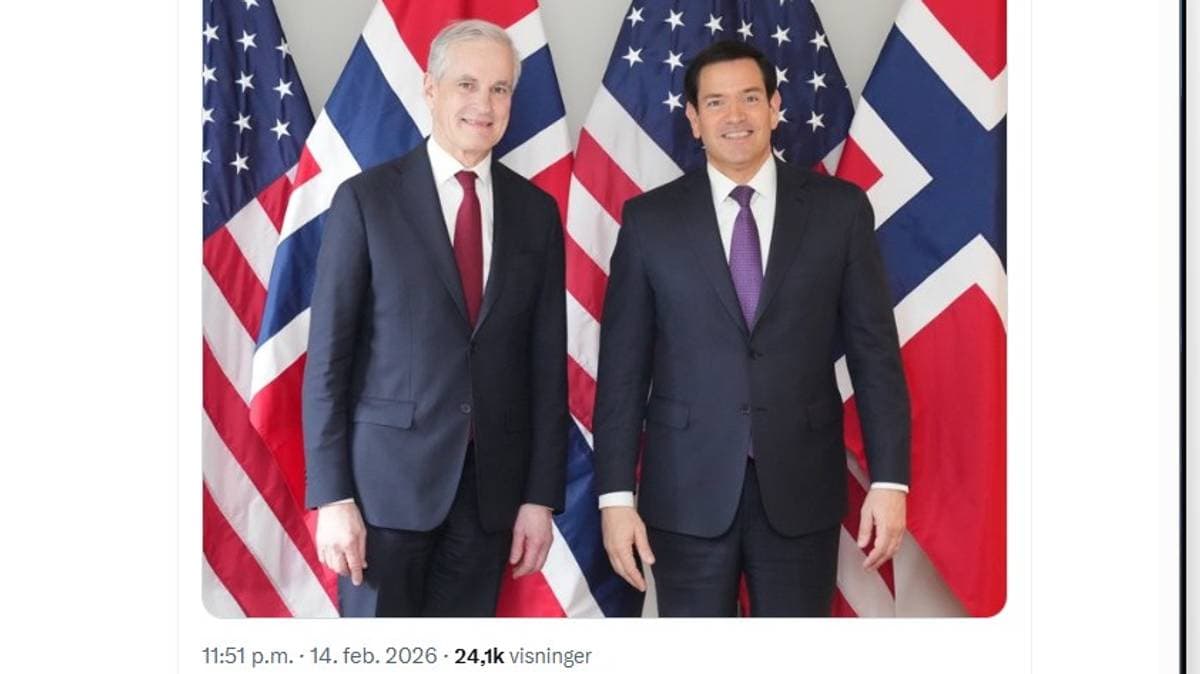
Recent discussions between US Secretary of state Marco Rubio and Norwegian Prime Minister Jonas Gahr Støre underscore a growing focus on Arctic security and the strategic importance of the region. The meeting, held during the Munich Security Conference, highlighted a shared commitment to collaboration, particularly concerning supply chain security and access to critical minerals. This comes at a time of increased geopolitical competition in the Arctic, driven by climate change and the opening of new economic and strategic opportunities.
The Shifting Arctic Landscape
The Arctic is undergoing a dramatic transformation.Melting sea ice is opening up new shipping routes and making previously inaccessible resources available. This has led to increased interest from both Arctic and non-Arctic states,creating a complex geopolitical environment. Russia maintains a notable military presence in the region, including its Northern Fleet and advanced weapons systems [[1]]. Concurrently, China is expanding its influence through investments in infrastructure, energy projects, and scientific research via the “Polar Silk Road” [[1]]. These developments are prompting other nations, including the United States and Norway, to reassess their strategies and strengthen their cooperation.
The Importance of Greenland
Greenland has emerged as a key focal point in this evolving Arctic dynamic. Its strategic location and potential mineral wealth make it a region of significant interest. The discussions between Rubio and Støre specifically addressed Greenland’s importance,signaling a recognition of the need to ensure stability and security in the area. Access to rare earth minerals, crucial for various technologies, is a key driver of this interest.
Supply Chain Security and Critical Minerals
The conversation between the US and Norway also centered on securing supply chains, particularly those related to critical minerals. These minerals are essential for the production of renewable energy technologies, electric vehicles, and defense systems. Diversifying sources and ensuring reliable access to these resources is a priority for both nations. Collaboration wiht Norway,a stable and reliable partner,is seen as crucial in this effort.
the Role of NATO in the Arctic
While the Arctic Council remains the primary forum for cooperation on environmental and enduring advancement issues, security concerns are increasingly being addressed within the NATO framework. NATO’s presence in the Arctic is largely focused on maintaining situational awareness and ensuring freedom of navigation. The alliance is also working to enhance its ability to respond to potential crises in the region. The Arctic Circle Assembly emphasizes the importance of maintaining the arctic as a region of peace and cooperation, bringing together diverse stakeholders including governments, researchers, and Indigenous peoples [[2]].
Climate Change and Security Implications
Climate change is not merely an environmental issue in the Arctic; it is indeed a significant security driver. The melting of sea ice is creating new vulnerabilities and exacerbating existing tensions. as the Arctic becomes more accessible, the potential for conflict increases.Understanding the complex interplay between climate change and security is essential for developing effective strategies to manage the risks and opportunities in the region [[3]].
Looking Ahead
The deepening cooperation between the US and Norway reflects a broader trend of increased attention to Arctic security. as geopolitical competition intensifies and climate change continues to reshape the region, collaboration and dialog will be essential to ensure a stable and peaceful future for the Arctic.Continued investment in research, infrastructure, and security capabilities will be crucial for navigating the challenges and harnessing the opportunities that lie ahead.