The sense of smell plays a fundamental role in regulating human emotions and maintaining mental health by providing a direct neurological pathway to the brain’s limbic system. When individuals experience anosmia (a total loss of smell) or hyposmia (a reduced sense of smell), they face increased risks of depression, anxiety, and social isolation, which can impact their overall quality of life as significantly as chronic conditions such as diabetes.
Neurological research indicates that olfactory signals do not merely identify scents; they act as emotional modulators. Because the olfactory bulb has direct connections to the amygdala and the hippocampus—areas of the brain responsible for emotion and memory—scents can trigger immediate physiological and psychological responses. This connection means that a disruption in olfactory function can lead to a profound sense of emotional disconnection and diminished well-being.
How does the sense of smell influence emotional regulation?
The biological mechanism linking scent to mood is rooted in the brain’s architecture. Unlike other senses, such as sight or hearing, which must first pass through the thalamus before reaching the cerebral cortex, olfactory information travels almost directly to the limbic system. This pathway allows smells to bypass much of the brain’s traditional filtering process, leading to rapid emotional responses.
The amygdala, which processes emotions like fear and pleasure, and the hippocampus, which manages long-term memory, are both highly sensitive to olfactory input. This is why a specific fragrance can instantly evoke a memory or shift a person’s mood. According to neurological studies, this direct link is why certain scents are used in therapeutic settings to reduce stress or enhance alertness. When this system is compromised, the brain loses a primary tool for environmental and emotional feedback.
Researchers have observed that the loss of these “emotional triggers” can lead to a state of anhedonia, a clinical term for the inability to feel pleasure. For many, the joy derived from eating a meal, smelling fresh rain, or experiencing a partner’s scent is a vital component of daily happiness. Without these inputs, the emotional landscape of an individual can become muted or flat.
Why does losing the sense of smell increase depression risks?
Clinical observations suggest a strong correlation between olfactory dysfunction and the onset of depressive symptoms. The loss of smell is not merely a sensory deficit; it is often a psychological burden that affects how individuals interact with their environment. The inability to experience pleasant aromas can lead to a sense of loss and grief, which may evolve into clinical depression.
Studies have highlighted several factors that contribute to this increased risk:
- Anhedonia: As mentioned, the inability to derive pleasure from sensory experiences can diminish the motivation to engage in daily activities.
- Loss of Identity: For many, certain scents are tied to cultural identity, family, or personal history. Losing these connections can cause a sense of displacement.
- Cognitive Load: Navigating the world without the ability to smell can increase anxiety, particularly regarding safety and hygiene.
The psychological impact is often compounded by the fact that olfactory loss is frequently an “invisible” disability. Unlike a physical injury, others may not immediately recognize why an individual is struggling emotionally, which can lead to a lack of social support during recovery.
What are the social and safety implications of anosmia?
The consequences of anosmia extend beyond internal emotional states into the social and practical realms of daily life. Socially, the sense of smell is deeply integrated into human connection. Shared meals, the scent of a home, and personal hygiene are all mediated by olfaction. When a person can no longer participate in these sensory experiences, they may experience significant social withdrawal.
This withdrawal often stems from a desire to avoid the awkwardness of not being able to participate in sensory-rich social settings, such as dining out or attending gatherings where food and drink are central. This isolation can create a feedback loop: the loss of smell leads to social withdrawal, which in turn exacerbates feelings of loneliness and depression.
From a safety perspective, the loss of smell presents immediate physical risks. The olfactory system serves as an early warning mechanism for environmental hazards. Individuals with anosmia cannot detect:
- Smoke from fires: A critical risk in residential settings.
- Gas leaks: The inability to smell mercaptan (the additive in natural gas) can lead to life-threatening situations.
- Spoiled food: Increased risk of foodborne illnesses due to the inability to detect rot or fermentation.
Medical professionals recommend that individuals with confirmed anosmia take specific precautions, such as installing high-sensitivity smoke and carbon monoxide detectors and regularly checking food expiration dates.
Can olfactory changes signal underlying neurological conditions?
Olfactory dysfunction is increasingly recognized by the medical community as a potential early biomarker for neurodegenerative diseases. Because the olfactory system is one of the first areas affected by certain types of brain degeneration, changes in smell may precede other visible symptoms by years.
Research has established links between hyposmia and the following conditions:
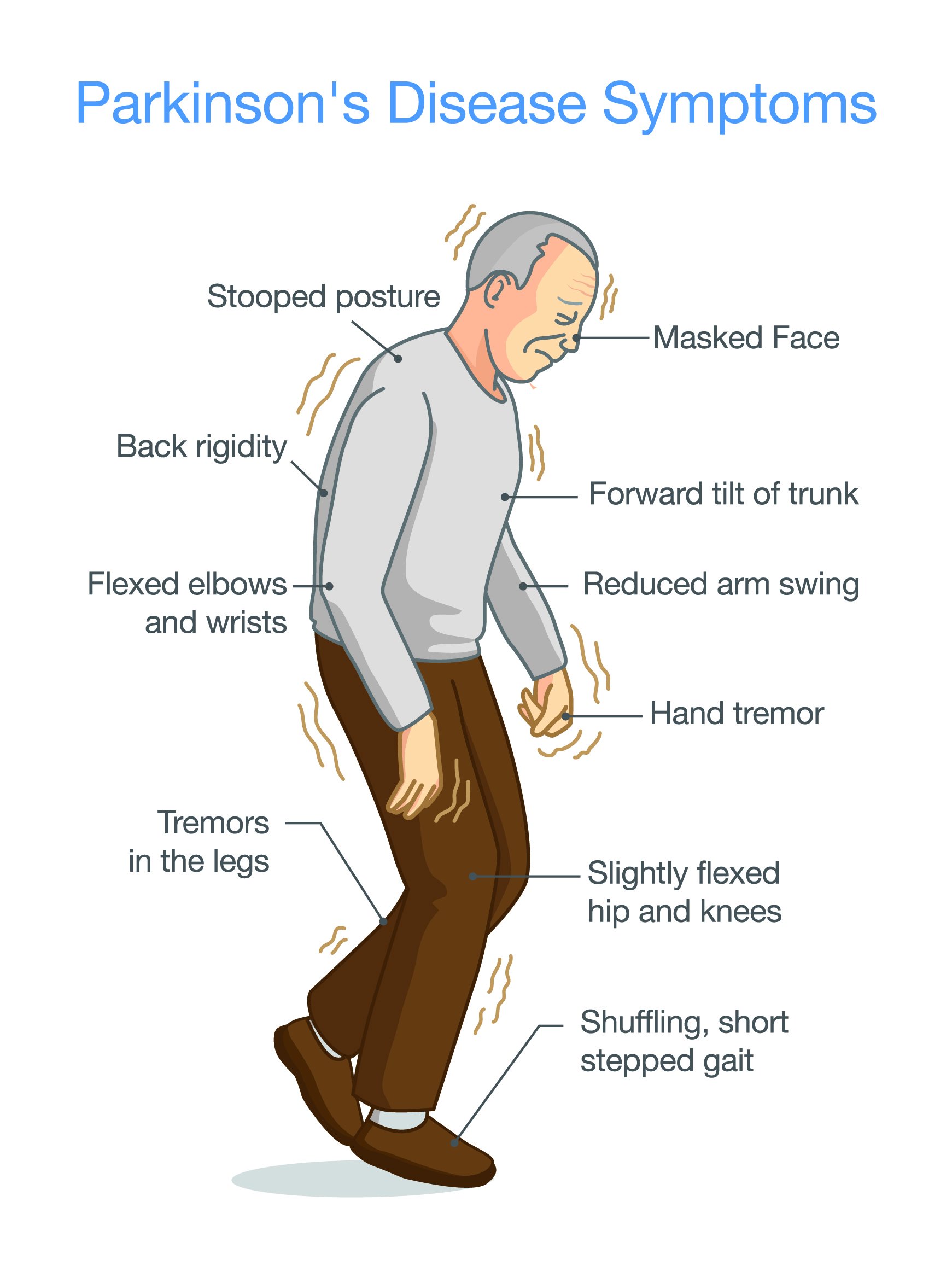
Parkinson’s Disease: Studies have shown that a diminished sense of smell is often one of the earliest prodromal symptoms of Parkinson’s, sometimes appearing well before motor tremors or stiffness. This makes olfactory screening a significant area of interest for early diagnostic research.
Alzheimer’s Disease: Similar to Parkinson’s, changes in olfactory sensitivity are frequently observed in the early stages of Alzheimer’s, reflecting the progressive impact of the disease on the brain’s sensory processing centers.
It is important to note, however, that olfactory loss is not a definitive diagnosis of these conditions. Many other factors, including viral infections (such as COVID-19), sinus issues, head trauma, and certain medications, can cause similar symptoms. Clinical evaluation is required to differentiate between temporary sensory loss and markers of neurodegeneration.
Key Takeaways: Olfaction and Mental Health
- Direct Brain Link: The olfactory system connects directly to the limbic system, affecting emotion and memory.
- Mental Health Risk: Loss of smell is linked to higher rates of depression, anxiety, and anhedonia.
- Social Impact: Olfactory dysfunction can lead to social isolation and decreased quality of life.
- Safety Concerns: Anosmia increases vulnerability to environmental hazards like gas leaks and fire.
- Neurological Marker: Changes in smell may serve as early indicators for Parkinson’s or Alzheimer’s disease.
Frequently Asked Questions
What is the difference between anosmia and hyposmia?
Anosmia is the complete loss of the sense of smell, while hyposmia is a reduced or partial ability to smell.
Can smell training help recover lost olfactory function?
Some clinical evidence suggests that “olfactory training”—repeatedly sniffing specific scents like rose, lemon, clove, and eucalyptus—may help stimulate the olfactory system and improve function in some patients.
Is loss of smell permanent?
It depends on the cause. Loss due to viral infection or sinus inflammation may be temporary, while loss due to neurodegenerative diseases or severe head trauma may be permanent.
If you are experiencing a sudden or persistent change in your sense of smell, medical professionals recommend consulting an otolaryngologist (Ear, Nose, and Throat specialist) to determine the underlying cause and discuss potential management strategies.
For more updates on medical research and public health, follow our health desk or share this article with your network.
Keep reading