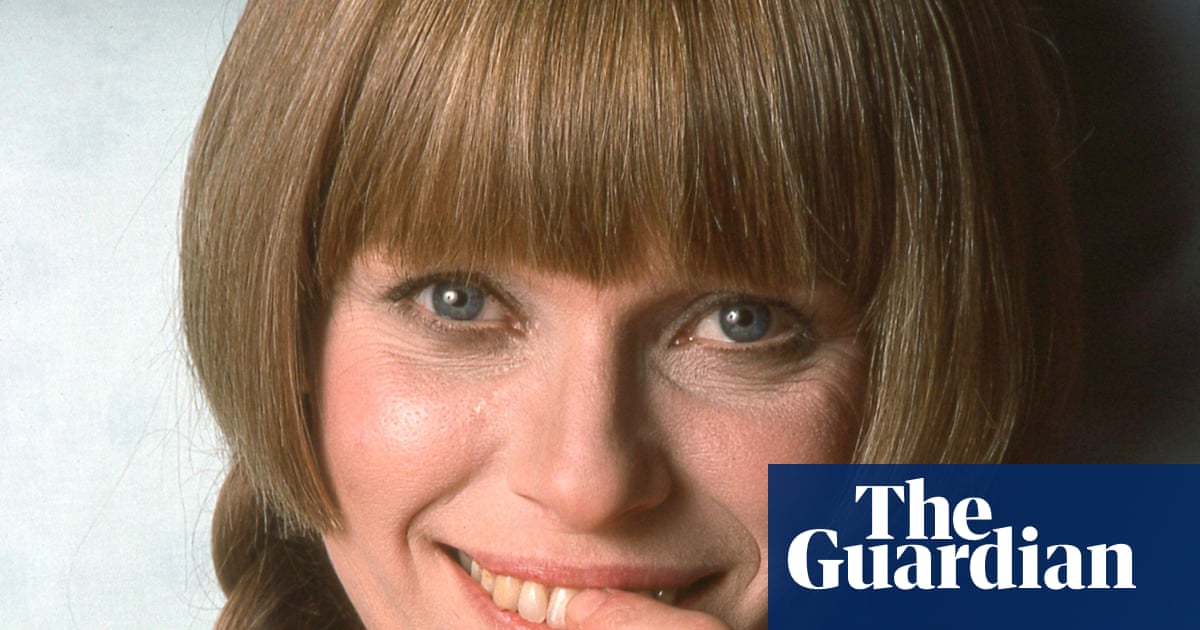
Louise Lasser, the distinctive actress who became a cultural icon for her portrayal of the titular character in the groundbreaking 1970s satire Mary Hartman, Mary Hartman, has died at the age of 87. According to reports confirmed by The New York Times, Lasser passed away at her home in Manhattan.
Known for her unique comedic timing and her signature pigtails, Lasser’s career spanned decades, moving from early collaborations with her then-husband Woody Allen to experimental film and television. Her work on Mary Hartman, Mary Hartman, which aired from 1976 to 1977, remains a defining moment in television history, offering a dark, surreal parody of the American suburban experience that resonated with millions of viewers.
A Career Defined by Satire and Subversion
Lasser’s rise to national prominence was cemented by her performance as Mary Hartman, a housewife in Fernwood, Ohio, whose life was characterized by a series of increasingly bizarre and unsettling events. The show, produced by Norman Lear, was a departure from traditional soap operas of the era. Instead of earnest melodrama, the series utilized a satirical lens to explore the anxieties and absurdities of domestic life in the United States during the mid-1970s. According to the Television Academy, the series was noted for its unconventional approach to storytelling and its ability to blend humor with genuine social critique.
The production schedule was grueling, requiring a five-days-a-week output that resulted in over 300 episodes during its two-season run. This intensity allowed the show to evolve rapidly, capturing the cultural zeitgeist of the period. Lasser’s portrayal of Hartman—a woman preoccupied with household minutiae while navigating the chaos of her environment—landed her on the covers of major publications, including People and Rolling Stone, marking her status as a household name.
Collaborations and Artistic Range
Before her breakout television success, Lasser was a fixture in the New York theater and film scene. Her professional and personal life were closely linked to Woody Allen; the two were married for four years, from 1966 to 1970. During this period, she appeared in several of his early films, including Take the Money and Run (1969), Bananas (1971), and Everything You Always Wanted to Know About Sex* (*But Were Afraid to Ask) (1972). These roles helped establish her reputation as a versatile comedic talent capable of delivering deadpan humor.

Lasser’s filmography extended well beyond the sitcom world, demonstrating a willingness to take on challenging, non-traditional roles. In later years, she appeared in Darren Aronofsky’s 2000 film Requiem for a Dream, a visceral exploration of addiction that showcased her range as a dramatic actress. Her ability to pivot between the lighthearted satire of 1970s television and the somber, gritty realism of independent cinema earned her respect among peers and critics alike.
Reflecting on a Lasting Legacy
The cultural impact of Mary Hartman, Mary Hartman is still discussed by television historians as a precursor to modern dark comedies. By pushing the boundaries of what a soap opera could be, Lasser and the creative team behind the show challenged the audience’s perception of “ordinary” life. The character of Mary Hartman served as a mirror for the frustrations and hidden fissures within the American middle class.
Following the conclusion of the series in 1977, Lasser continued to work steadily in film, television, and theater. Her presence in the industry was marked by a commitment to character-driven performance, often favoring projects that allowed for complexity over conventional appeal. Her passing marks the end of a chapter for a generation of performers who helped define the experimental era of 1970s television.
As of this writing, no public memorial services have been announced by the family. Fans and colleagues have taken to social media to share tributes to her influence on comedic acting. For those looking to revisit her work, many of her classic television appearances and early film collaborations remain available through various digital archives and streaming platforms specializing in classic media.
If you have memories or thoughts on Louise Lasser’s contributions to film and television, please feel free to share them in the comments below.