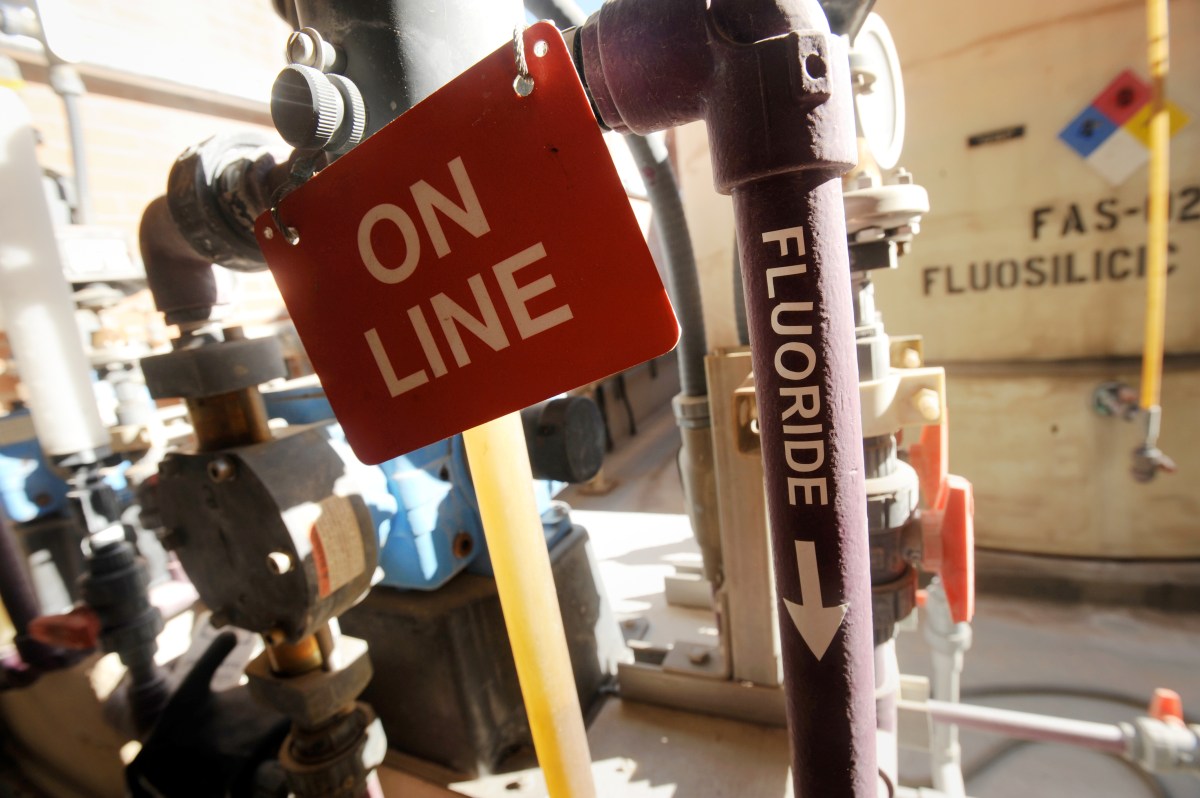
In Louisiana, a growing legislative push is placing the future of community water fluoridation in the hands of local voters. As municipalities across the state navigate the intersection of public health policy and local governance, recent legislative activity has centered on the question of whether individual water systems should maintain the authority to adjust fluoride levels or if such decisions should be subject to direct public referendum.
The debate over water fluoridation—the practice of adjusting the concentration of fluoride in public water supplies to prevent tooth decay—has seen renewed vigor in the Louisiana State Legislature. Proponents of local referendums argue that taxpayers should have a direct say in the additives present in their utility infrastructure, while public health officials maintain that fluoridation remains a cornerstone of preventative dentistry and community health initiatives.
As we examine the landscape of Louisiana public policy, it is essential to distinguish between the proposed legislative shifts and the established medical consensus. Understanding the mechanics of these potential local votes requires a look at how utility management, state oversight, and municipal autonomy currently interact within the Pelican State.
The Legislative Context of Water Governance
The current discourse in Louisiana is largely driven by House Bill 392, introduced during the 2024 legislative session. The proposed legislation sought to require that any public water system currently adding fluoride to its water supply must hold a public vote before continuing the practice. This shift represents a significant departure from the traditional model, where decisions regarding water treatment are typically handled by local governing boards or city councils, often in consultation with the Louisiana Department of Health (LDH).
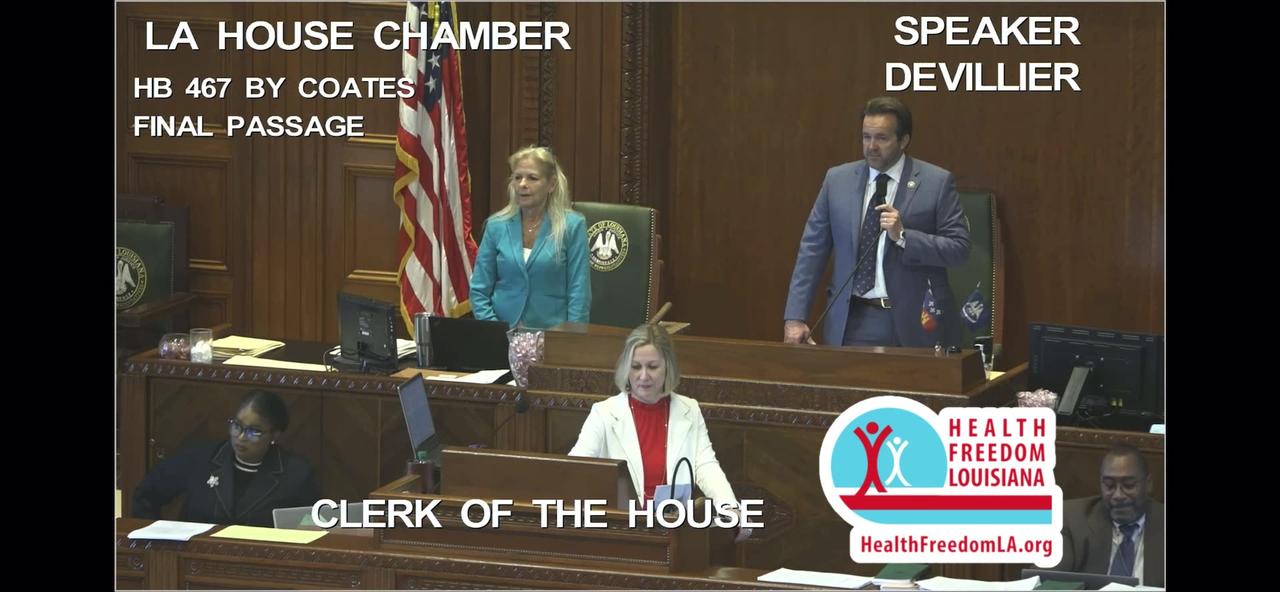
Under existing state framework, the Louisiana Office of Public Health provides guidance on water quality and safety standards. While the state encourages fluoridation as a public health measure, the decision to implement or discontinue the practice has historically rested with local utility operators and municipal governments. The introduction of mandatory referendums would effectively bypass these administrative bodies, moving the decision-making process into the electoral arena.
For residents and taxpayers, this evolution in policy raises questions regarding the logistical implementation of such votes. If a municipality moves to a ballot initiative, the cost and frequency of these elections, as well as the potential for fragmented water quality standards across neighboring parishes, become primary concerns for local administrators.
Public Health Perspectives and Scientific Consensus
The practice of water fluoridation has been endorsed by major health organizations for decades. The Centers for Disease Control and Prevention (CDC) identifies water fluoridation as one of the ten great public health achievements of the 20th century. According to the CDC, fluoridated water is effective at reducing tooth decay in both children and adults, providing a significant benefit to communities that might otherwise lack access to consistent dental care.
However, the skepticism surrounding fluoridation often centers on concerns regarding individual autonomy and the long-term impacts of fluoride ingestion. Critics of the practice frequently point to the distinction between topical fluoride—such as that found in toothpaste—and systemic fluoride, which is ingested through water. These arguments have gained traction in political circles, leading to the current legislative push in Louisiana.
It is vital for readers to note that while the scientific community maintains a strong consensus on the safety and efficacy of water fluoridation at recommended levels, policy debates often move beyond the data. When evaluating potential local ballot measures, voters are encouraged to review the American Dental Association’s comprehensive reports, which detail the extensive research conducted on the topic since the mid-20th century.
Key Takeaways for Louisiana Residents
- Local Autonomy: The proposed legislation aims to shift the decision-making power from utility boards to the general public via ballot measures.
- Current Status: As of the most recent legislative updates, the discussion remains centered on the balance between municipal health mandates and voter choice.
- Health Guidelines: State and federal health agencies continue to recommend fluoridation as a primary tool for dental health, citing decades of evidence.
- Public Participation: Residents interested in the future of their local water supply are encouraged to attend upcoming parish council or municipal utility board meetings to stay informed on local developments.
What Happens Next?
The path forward for water fluoridation in Louisiana will likely be determined by the ongoing negotiation between state lawmakers and local stakeholders. As legislative sessions conclude or move into interim study periods, the focus shifts to how these proposals might affect infrastructure funding and public utility management. It is unlikely that a uniform statewide policy will emerge without significant debate regarding the feasibility of local referendums.

For those living in affected communities, the best way to track potential changes is through official communication channels. Most parish and city water departments maintain websites where they post notices regarding water quality reports and upcoming public hearings. Engaging with these local resources ensures that residents have the most accurate information regarding their own specific water systems.
We will continue to monitor the progress of these legislative discussions as they evolve. If you have questions about your local water quality, we recommend contacting your local water utility provider directly or visiting the official website of the Louisiana Drinking Water Watch, which provides public access to information about local water systems and their compliance with safety regulations.
As this situation develops, we welcome your thoughts and local insights. Please share this article with your community to ensure your neighbors are informed about upcoming public discussions regarding water policy in Louisiana.
Related reading