The Shifting Sands of Art Theft: from Masterpieces to Material Value
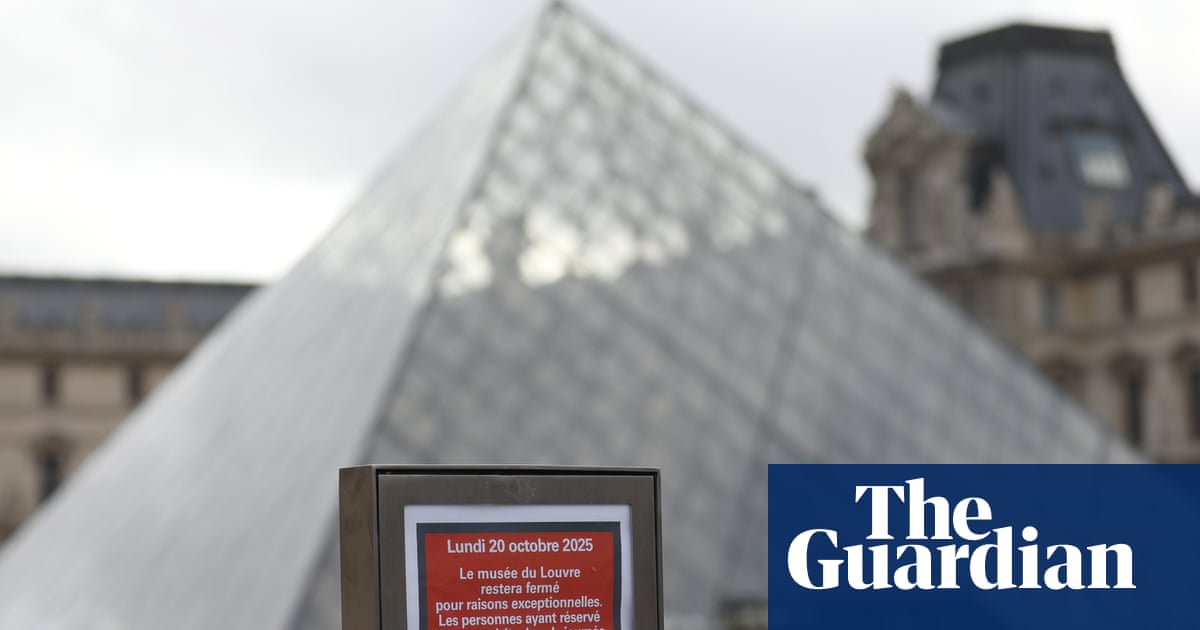
A brazen robbery at the Louvre Museum recently highlighted a disturbing trend: thieves are increasingly bypassing iconic artworks in favor of their intrinsic material worth. This isn’t your grandfather’s art heist. Instead of seeking fame through stolen masterpieces, criminals are now focused on the lucrative, and surprisingly practical, market for precious metals and gems.
This shift raises a critical question: are we witnessing the dawn of a new kind of “art” heist – one where the art itself is entirely irrelevant?
the Rise of Material-Driven Crime
For decades, the allure of stealing a famous painting stemmed from a misguided belief in its resale value. However, the reality is far more complex. Classic art theft is frequently enough irrational and ultimately unsuccessful.
Consider these examples:
* The Scream (Oslo, 1994 & 2004): Recovered, but significantly damaged after being held in a damp van. Its notoriety made it impossible to sell discreetly.
* Caravaggio’s Nativity (Palermo, 1969): Almost certainly destroyed by the sicilian mafia, reduced to worthless fragments.
* Maurizio Cattelan’s Golden Toilet (Blenheim Palace, 2019): Literally melted down for its gold content within days of the theft.
* Dresden Green Vault Heist (2019): While some items where recovered, the initial target was clearly the value of the jewels, not their artistic significance.
These cases demonstrate a crucial point: a world-famous artwork is incredibly difficult to move and sell without detection. The logistical challenges and inherent risks far outweigh the potential rewards.
why Precious Materials are the New Target
Precious stones and metals,on the other hand,offer a far more streamlined path to profit. They are easily broken down, re-cut, and sold on the anonymous global market. You don’t need a specialized buyer or a complex network to offload diamonds or gold.
This practicality is driving a essential change in the criminal landscape. Thieves are now prioritizing:
* High material value: Focusing on items laden with gold,platinum,and gemstones.
* Discreet resale: Targeting materials that can be easily converted into untraceable assets.
* Reduced risk: Avoiding the complications of handling and selling internationally recognized artworks.
Implications for Museum Security
What does this mean for museums and art institutions? While security measures surrounding paintings and sculptures remain vital, a renewed focus is needed on protecting collections of jewelry and precious objects.
Here’s what institutions should consider:
- Enhanced Material Tracking: Implement robust inventory systems that meticulously document the composition and value of all items.
- Advanced Security Technologies: Invest in cutting-edge surveillance, alarm systems, and access control measures specifically designed to protect high-value materials.
- Collaboration with Law Enforcement: Strengthen partnerships with local and international law enforcement agencies to share intelligence and coordinate security efforts.
- Risk Assessment: Regularly evaluate the vulnerability of collections and adjust security protocols accordingly.
Interestingly, the increasing fame of art itself may offer a degree of protection. In today’s digital age, even lesser-known works can be quickly identified and tracked online. This heightened visibility makes it more difficult for thieves to operate undetected.
A Loss of Romance, A Gain in Calculation
The days of the daring, romantic art heist – popularized in fiction and occasionally mirrored in reality - are fading. The 1961 theft of Goya’s portrait of the Duke of Wellington, initially attributed to a patriotic motive, now seems almost quaint.
Today’s crimes are driven by cold, calculating greed. As one thief might reason: art is fragile,but diamonds are forever.
This shift demands a pragmatic response from the art world. Protecting our cultural heritage requires acknowledging the evolving motivations of those who seek to exploit it. It’s no longer enough to safeguard the art – we must safeguard the materials that comprise it.
Related reading