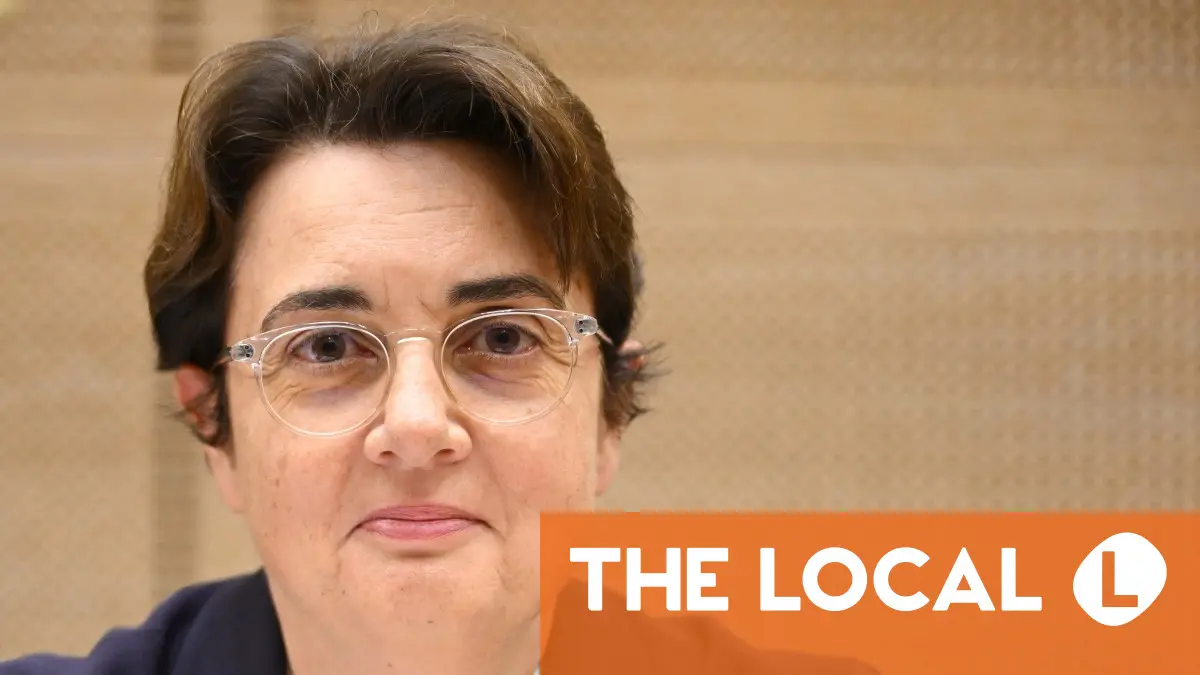
Paris – A period of upheaval at the Louvre Museum culminated today with the resignation of director Laurence des Cars, accepted by President Emmanuel Macron. The move follows months of escalating crises, including a brazen theft of priceless jewels and growing scrutiny over security failings. The French government is poised to appoint Christophe Leribault, currently president of the Palace of Versailles, to lead the world’s most visited museum, tasked with restoring stability and bolstering security measures. This leadership change comes at a critical juncture for the Louvre, as it navigates a complex landscape of security concerns, labor disputes, and evolving visitor expectations.
Des Cars’ departure marks a significant moment for the cultural institution. Appointed in 2021, she was the first woman to lead the Louvre, succeeding Jean-Luc Martinez. Her tenure, however, has been overshadowed by a series of setbacks, most notably the October 2023 theft of approximately €88 million worth of French crown jewels. The incident triggered a national outcry and prompted multiple investigations, exposing vulnerabilities in the museum’s security protocols. The ongoing inquiry, involving four suspects currently in police custody, has revealed systemic failures that contributed to the audacious robbery.
The Elysee Palace framed Des Cars’ resignation as an act of responsibility, stating it was necessary to ensure a period of calm and allow for the implementation of crucial security projects. President Macron thanked Des Cars for her “action and commitment” and “undeniable scientific expertise,” acknowledging the challenges she faced during her leadership. However, the theft was not the sole factor contributing to the pressure on Des Cars. A separate ticket fraud scandal and a recent water leak that threatened artworks, including Leonardo da Vinci’s Mona Lisa, further compounded the issues. Adding to the turmoil, the Louvre has been grappling with its longest labor dispute in history, as staff protest working conditions and strained relations with management.
Security Lapses and the Jewel Heist
The October jewel theft brought the Louvre’s security arrangements under intense scrutiny. Initial reports indicated that the thieves exploited weaknesses in the museum’s perimeter security, gaining access and targeting a display case containing the stolen artifacts. An interim assessment by Members of Parliament leading the inquiry pointed to “systemic failures” as the root cause of the breach. Christophe Leribault, as the incoming director, will inherit the responsibility of addressing these vulnerabilities and implementing comprehensive security upgrades.
Prior to the theft, a 2017 audit had already warned of potential security risks, predicting “dramatic” consequences if vulnerabilities were not addressed. This revelation fueled criticism of the Louvre’s leadership, with accusations that investment in security had been neglected in favor of more visible, visitor-facing initiatives. The Court of Auditors echoed these concerns in a November report, stating that the Louvre had “prioritised visible and attractive operations” at the expense of essential security measures. Des Cars herself acknowledged the existence of “structural weaknesses” in a December interview with Le Parisien, conceding that, in hindsight, improvements were needed.
Christophe Leribault: A Proven Museum Leader
Christophe Leribault brings a wealth of experience to the role of Louvre director. He currently serves as the president of the Palace of Versailles, a position he assumed in 2023, following a gala dinner at the Château de Chantilly celebrating his appointment to the Académie des Beaux Arts. Leribault’s appointment to the Académie des Beaux Arts was a significant recognition of his contributions to the French cultural landscape.
Prior to Versailles, Leribault served as the director of the Musée d’Orsay and the Musée de l’Orangerie, succeeding Laurence des Cars in September 2021. His leadership at the Musée d’Orsay was marked by a commitment to expanding the museum’s research and educational facilities, as well as increasing exhibition space through the “Orsay Wide Open” project. Before that, he held positions as director of the Petit Palais and curator at the Louvre and the Musée Delacroix, demonstrating a long-standing dedication to French art and culture. According to Blooloop, Leribault implemented a series of “world-class exhibitions” during his time at the Petit Palais.
Leribault’s arrival at the Louvre is expected to focus on addressing the immediate security concerns and modernizing the museum’s infrastructure. He will also likely be tasked with rebuilding public trust and fostering a more inclusive environment for visitors. In an interview with Le Point following the COVID-19 pandemic, Leribault emphasized the necessitate to refocus the museum’s priorities, stating that it “can no longer be a tourist factory” and that it should be accessible to a wider range of audiences, particularly French and Parisian residents.
Challenges Ahead: Labor Disputes and Modernization
Beyond the security concerns, Leribault will inherit a museum facing internal challenges. The ongoing labor dispute, which has led to several closures, highlights strained relations between museum staff and management. Addressing these concerns and fostering a positive working environment will be crucial for ensuring the smooth operation of the Louvre. The museum’s modernization efforts, including the “Orsay Wide Open” project, will also require careful planning and execution to minimize disruption and maximize benefits for visitors and staff alike.
The Louvre’s financial situation, as noted by Leribault in his Le Point interview, is also a factor. He acknowledged that securing sponsorship has become more difficult in the current economic climate. Finding sustainable funding sources will be essential for supporting the museum’s ambitious projects and maintaining its position as a world-class cultural institution.
The Broader Context: Security in French Museums
The security breaches at the Louvre are not isolated incidents. French museums have faced increasing challenges in protecting their collections from theft and vandalism. The incident has prompted a broader review of security protocols across the country’s cultural institutions. The French government has pledged to increase funding for museum security and to implement stricter measures to prevent future incidents. The Louvre’s situation serves as a stark reminder of the need for constant vigilance and investment in security infrastructure to safeguard France’s cultural heritage.
The appointment of Christophe Leribault is expected to be formally announced at a government meeting on Wednesday, February 26th. He will be tasked with not only securing the Louvre but also modernizing its operations and restoring public confidence. The museum’s future hinges on his ability to navigate these challenges and lead the institution into a new era of security, accessibility, and cultural excellence. The complete findings of the parliamentary inquiry into the jewel theft are due to be released in May, which will likely provide further insights into the systemic failures that contributed to the incident and inform future security improvements.
Key Takeaways:
- Laurence des Cars has resigned as director of the Louvre following a series of crises, including a high-profile jewel theft.
- Christophe Leribault, currently president of the Palace of Versailles, is expected to be appointed as the new director.
- Security failings at the Louvre have approach under intense scrutiny, prompting investigations and calls for improved protocols.
- Leribault will face challenges including labor disputes, modernization efforts, and securing sustainable funding.
The Louvre’s ongoing saga underscores the complex challenges facing cultural institutions in the 21st century. As the museum prepares for a new chapter under Leribault’s leadership, the world will be watching to see how it addresses these challenges and continues to fulfill its role as a guardian of art and culture. We encourage readers to share their thoughts on this developing story and the future of the Louvre in the comments below.
Keep reading