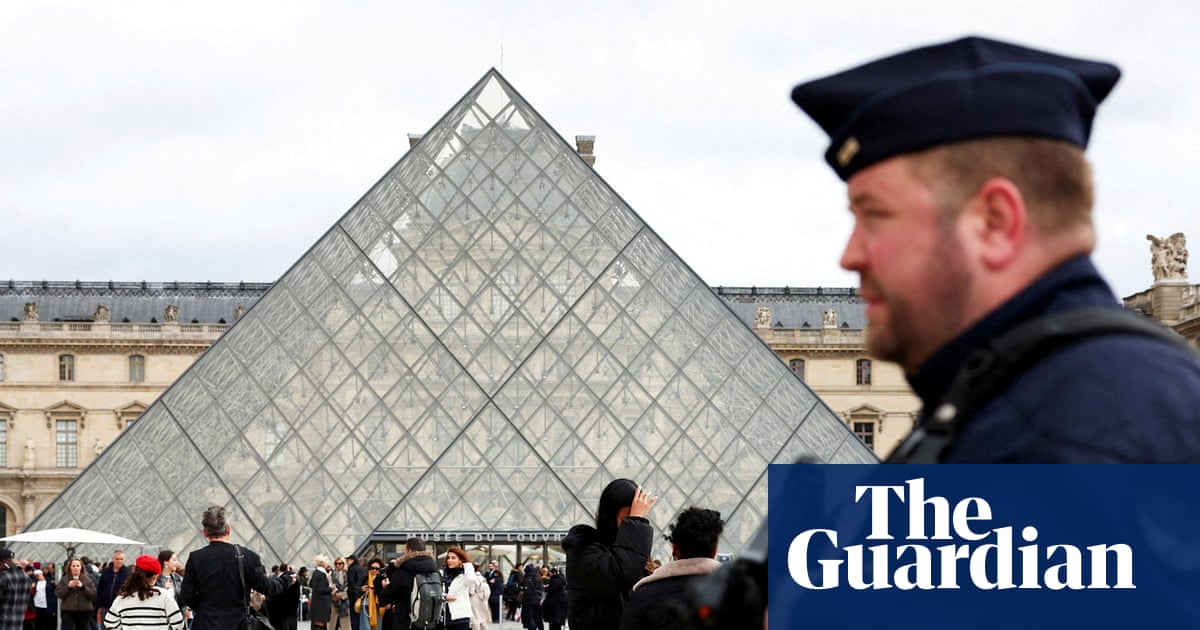
Louvre Faces Scrutiny Over Security Lapses and Management Concerns
Recent reports paint a concerning picture of security and operational inefficiencies at the world-renowned Louvre Museum in Paris. A critical audit has revealed persistent vulnerabilities, raising questions about the protection of its priceless collection and the museum’s overall management. These findings come on the heels of a high-profile theft and growing visitor dissatisfaction.
A Decade of Delayed Security Upgrades
The audit highlights a important delay in deploying essential security equipment. Despite a security assessment a decade ago identifying shortcomings in monitoring and crisis preparedness,concrete action was slow to materialize. A tender for security work wasn’t even issued until last year, with recommended upgrades now projected to take another eight years to complete.
Currently, only 39% of the museum’s rooms are equipped with CCTV cameras as of 2024. This means a considerable portion of the collection remains inadequately monitored, with full completion not anticipated until 2032. You might be surprised to learn that the Louvre welcomed over 8.7 million visitors last year, further emphasizing the urgency of these improvements.
Beyond Surveillance: A Multifaceted Problem
The issues extend beyond just camera coverage. The report points to several contributing factors:
* Excessive Art Acquisitions: The museum has been spending heavily on acquiring artworks, yet only a quarter of its collection is currently on public display.
* Management Inefficiencies: Broader operational inefficiencies are hindering the museum’s ability to prioritize and implement necessary security enhancements.
* Ticket Fraud: Instances of ticket fraud are also contributing to the museum’s financial and operational challenges.
Recommendations for Advancement
The audit proposes ten recommendations for management to address these issues. These include a strategic reduction in the number of new art acquisitions and a potential increase in ticket prices. These changes aim to free up resources for critical security upgrades and operational improvements.
Acknowledging the Concerns
Louvre management has acknowledged “most” of the audit body’s recommendations. this signals a willingness to address the identified shortcomings and improve the museum’s security posture.
Reinforcing a Pattern of Neglect
An administrative inquiry into the recent theft corroborated the audit’s findings. It revealed a “chronic, structural underestimation of the risk of intrusion and theft” and a corresponding “inadequate level of security measures.” This suggests a systemic failure to adequately assess and mitigate security risks.
A New Chapter for the Louvre?
Responding to growing concerns about overcrowding and dysfunction, the Louvre launched a major long-term development project earlier this year.This ambitious plan includes a dedicated new space for the Mona Lisa and, crucially, enhanced security measures.
You can expect to see significant changes in the coming years as the Louvre strives to balance its role as a world-class museum with the need to protect its invaluable collection and provide a better experience for its visitors. This is a pivotal moment for the institution, and its success will depend on a sustained commitment to addressing these critical issues.
Worth a look
- Liam Payne’s Final Hours: Sex Workers Reveal New Details About His Last Night in Buenos Aires
- Enzo Amato Interview: Storytime Radio Show Highlights
- €4m Security Bill for Ukrainian Refugee Complex in Tipperary (world-today-news.com)
- Paris Court Rules on Economic Substance in Intra-Group Royalties (newsdirectory3.com)