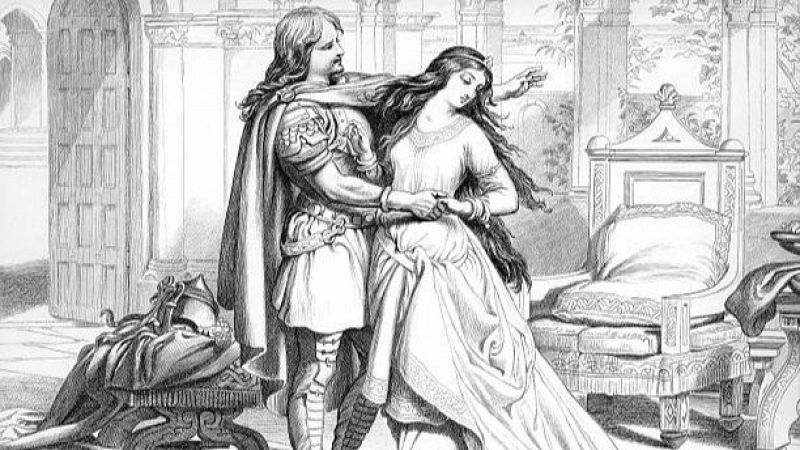
The experience of falling in love has, for millennia, been intertwined with notions of both ecstasy, and affliction. Although today we often speak of love as a positive emotion, a historical perspective reveals a time when being “in love” was frequently considered a form of illness – a dangerous and frightening condition impacting both mind and body. This wasn’t merely a metaphorical understanding; throughout the Middle Ages and beyond, love sickness, or *amor hereos* as it was known, was a recognized medical complaint, diagnosed and treated by physicians.
The concept of love as a disease isn’t simply a relic of a less enlightened past. It reflects a complex interplay of cultural beliefs, medical theories, and the very real physiological changes that accompany intense romantic feelings. Understanding this historical context offers valuable insight into how we perceive and experience love even today, and how our understanding of the mind-body connection has evolved.
The Medieval Understanding of Love Sickness
During the Middle Ages, medical thought was heavily influenced by the theories of the ancient Greek physician Galen. Galen’s humoral theory posited that the body was governed by four humors – blood, phlegm, yellow bile, and black bile – and that illness arose from an imbalance of these fluids. According to the National Institutes of Health, this framework shaped medical understanding for over 1,300 years. Love sickness, within this framework, was understood as an excess of vital spirits caused by the passion of love, disrupting the delicate balance of humors.
Symptoms of *amor hereos* were remarkably detailed and mirrored many of the experiences we associate with infatuation today. Andreas Capellanus, a 12th-century author, meticulously cataloged these symptoms in his treatise *De Amore* (On Love). These included a racing heart, insomnia, loss of appetite, paleness, trembling, and a general feeling of restlessness. Capellanus too described more extreme symptoms, such as fever, delirium, and even suicidal thoughts. The condition was believed to be particularly dangerous for those of a melancholic temperament, as they were considered more susceptible to its debilitating effects.
It’s critical to note that this wasn’t simply a matter of unrequited love. Even reciprocated affection could be considered a source of illness. The intensity of the emotion itself was seen as disruptive to the body’s natural order. Physicians believed that love could overwhelm the rational faculties, leading to irrational behavior and a weakening of the will. This fear of losing control was a central concern in medieval thought, and love sickness represented a particularly potent threat to individual autonomy.
Treatments for a Troubled Heart
Given that love sickness was considered a genuine medical condition, physicians developed a range of treatments aimed at restoring humoral balance and calming the afflicted spirit. These treatments varied widely, reflecting the diverse medical practices of the time. Some remedies were relatively benign, such as prescribing a diet of bland foods or encouraging gentle exercise. Others were more drastic, involving bloodletting, purging, and the administration of potent herbal concoctions.
One common approach was to attempt to counteract the excess of vital spirits with cooling and calming substances. Physicians might prescribe herbs like lettuce, poppy seeds, or rosewater, believing that these would help to soothe the agitated mind and restore equilibrium. Britannica explains that the goal was to “cool” the blood and reduce the intensity of the passion. In some cases, physicians even recommended avoiding contact with the object of affection, believing that distance would diminish the power of the emotion.
Interestingly, some treatments also involved appealing to the senses. Music, particularly melancholic melodies, was thought to have a calming effect on the spirit. Physicians might also prescribe pleasant scents, such as lavender or jasmine, to soothe the nerves and promote relaxation. The apply of sensory stimulation highlights the medieval understanding of the interconnectedness between the mind, body, and environment.
Beyond the Middle Ages: The Persistence of Love as Illness
While the concept of *amor hereos* gradually faded from medical discourse with the rise of modern science, the idea of love as a source of suffering persisted well into the 19th and 20th centuries. Romantic literature of the Romantic era, for example, frequently depicted the agonizing pain of unrequited love and the destructive power of passion. Figures like Goethe’s Werther, in *The Sorrows of Young Werther*, embodied the archetype of the lovesick hero, driven to despair by his unattainable affections.
Even today, we recognize the physiological effects of intense romantic feelings. Studies in neuroscience have shown that falling in love activates reward pathways in the brain, releasing dopamine and other neurochemicals associated with pleasure and motivation. At the same time, love can also trigger the release of cortisol, a stress hormone, which can contribute to feelings of anxiety and restlessness. These physiological changes can manifest in a variety of physical symptoms, such as a racing heart, sweaty palms, and difficulty sleeping – symptoms remarkably similar to those described by medieval physicians.
the experience of heartbreak – the emotional pain of losing a loved one – is now recognized as a legitimate form of psychological distress. Researchers have even identified a phenomenon known as “broken heart syndrome” (Takotsubo cardiomyopathy), a temporary heart condition triggered by intense emotional stress. This condition, while not directly comparable to *amor hereos*, demonstrates the profound impact that emotions can have on physical health.
The Evolving Understanding of the Mind-Body Connection
The historical understanding of love sickness offers a compelling illustration of the evolving relationship between mind and body. While medieval physicians attributed the symptoms of love to imbalances in the humors, modern science recognizes the complex interplay of neurochemicals, hormones, and psychological factors that contribute to the experience of love and loss.
The shift in perspective reflects a broader trend in medical thought – a growing recognition of the importance of psychological and social factors in health and illness. The biopsychosocial model, which emphasizes the interconnectedness of biological, psychological, and social factors, has become increasingly influential in healthcare, challenging the traditional Cartesian dualism that separated mind and body.
the story of love sickness reminds us that emotions are not simply abstract feelings; they are powerful forces that can have a profound impact on our physical and mental well-being. By understanding the historical and scientific context of this phenomenon, we can gain a deeper appreciation for the complexities of the human heart – and the enduring power of love.
As research continues to unravel the neurobiological mechanisms underlying love and attachment, our understanding of these fundamental human experiences will undoubtedly continue to evolve. The next steps involve further investigation into the long-term effects of romantic relationships on brain health and the development of more effective interventions for individuals struggling with heartbreak and emotional distress.
What are your thoughts on the historical perception of love as an illness? Share your comments below, and let’s continue the conversation.
Related reading