
A recent small-scale clinical study suggests that low-calorie, fasting-style diets can significantly reduce the inflammation associated with gum disease. While traditional mechanical cleaning, such as brushing and flossing, remains the primary method for preventing periodontitis, the findings indicate that dietary patterns may influence oral health nearly as much as physical hygiene.
The research focused on how caloric restriction and intermittent fasting protocols affect inflammatory markers in patients with existing gum issues. According to the study, participants following a controlled, low-calorie regimen showed a measurable decrease in the biological signals that drive periodontal tissue destruction. This development suggests that managing oral health may require a dual approach: controlling local bacteria through hygiene and managing systemic inflammation through nutrition.
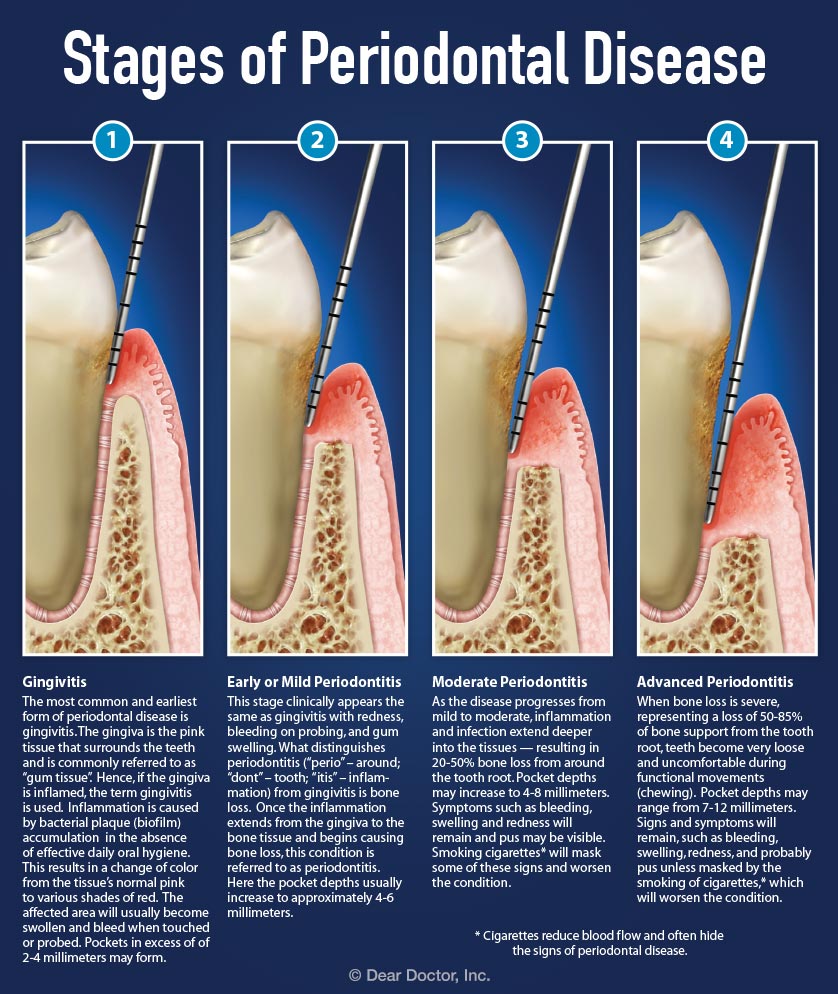
Periodontal disease, which includes gingivitis and more severe periodontitis, is not merely a localized infection in the mouth. It is an inflammatory condition that can have widespread implications for a person’s overall health. Medical professionals have long recognized an “oral-systemic link,” where inflammation in the gums can contribute to or exacerbate conditions like cardiovascular disease and type 2 diabetes.
What is the link between fasting and periodontal disease?
The connection between fasting and gum disease centers on the body’s inflammatory response. Periodontitis occurs when the immune system overreacts to the bacteria present in dental plaque, leading to the destruction of the bone and tissues that hold teeth in place. This process is driven by pro-inflammatory cytokines, which are signaling proteins that tell the immune system to attack.
Fasting-style diets, which involve periods of restricted calorie intake, have been shown in various clinical settings to lower levels of these inflammatory markers. By reducing the frequency of insulin spikes and promoting cellular processes like autophagy, fasting may help the body regulate its immune response. Autophagy is a natural mechanism where cells clean out damaged components, a process that researchers believe could play a role in reducing the chronic inflammation seen in gum disease.
While the study in question was small, it highlights a potential mechanism: by lowering the body’s baseline level of systemic inflammation, the localized inflammatory response in the gums may become less aggressive. This does not mean the bacteria are gone, but rather that the body’s reaction to them may be more controlled.
How does caloric restriction affect oral inflammation?
Caloric restriction influences oral health through several biological pathways. One primary pathway is the regulation of systemic inflammation. When a person consumes a high-calorie, high-sugar diet, the body often maintains a state of low-grade chronic inflammation. This state can exacerbate the damage caused by oral pathogens.
According to research on metabolic health, fasting can lead to a reduction in C-reactive protein (CRP), a key marker of inflammation in the blood. Higher levels of CRP are often associated with increased risks of periodontal tissue loss. By lowering CRP through dietary intervention, patients may experience a reduction in the severity of their gum inflammation.
Additionally, fasting affects the oral microbiome—the community of bacteria living in the mouth. While more research is needed to determine if fasting directly changes the composition of oral bacteria, the metabolic changes in the host (the person) can change the environment in which these bacteria thrive. A more metabolically stable host may be better equipped to manage the presence of common oral pathogens like Porphyromonas gingivalis, a primary bacterium linked to periodontitis.
Why does systemic inflammation matter for gum health?
The concept of the oral-systemic link is central to understanding why diet matters for dental health. Periodontal disease is characterized by a breakdown of the periodontium—the tissues surrounding and supporting the teeth. This breakdown is not just a result of bacteria; it is a result of the host’s immune response to those bacteria.
If a person is already dealing with systemic inflammation due to obesity, poor diet, or metabolic syndrome, their gums are essentially “primed” to overreact. This makes them more susceptible to rapid bone loss and recession. Medical experts note that managing systemic health is therefore a critical component of long-term dental stability.
The implications extend beyond the mouth. Chronic inflammation from gum disease can enter the bloodstream, potentially contributing to:
- Cardiovascular Disease: Inflammation in the mouth can contribute to the inflammation of the arteries.
- Diabetes Management: There is a bidirectional relationship between diabetes and gum disease; uncontrolled gum inflammation can make blood sugar harder to manage, and high blood sugar can worsen gum disease.
- Respiratory Issues: Oral bacteria can be inhaled into the lungs, potentially causing or complicating respiratory infections.
Can diet replace traditional tooth brushing?
Current medical and dental consensus suggests that diet and oral hygiene are complementary, not mutually exclusive. The study’s suggestion that what people eat may influence gum health “almost as much” as a toothbrush does not imply that brushing can be abandoned. Instead, it suggests that focusing solely on mechanical cleaning may be an incomplete strategy for many patients.
Mechanical cleaning—brushing twice a day and flossing daily—is necessary to physically disrupt the biofilm (plaque) that accumulates on teeth. This biofilm is the source of the bacteria that trigger inflammation. Even with a perfect diet, if plaque is allowed to harden into tartar (calculus), the bacteria will continue to irritate the gums.
However, if a patient maintains excellent hygiene but has a diet that promotes high systemic inflammation, they may still struggle with persistent gum issues. Integrating a fasting-style or low-calorie diet could provide a biological advantage, helping the body manage the inflammation that occurs despite good hygiene.
Comparison: Mechanical vs. Biological Management
| Feature | Mechanical Hygiene (Brushing/Flossing) | Biological Management (Diet/Fasting) |
|---|---|---|
| Primary Goal | Physical removal of bacterial plaque. | Reduction of systemic and local inflammation. |
| Target | The oral biofilm and dental surfaces. | Immune response and inflammatory markers. |
| Main Benefit | Prevents the buildup of bacteria. | Modulates the body’s reaction to bacteria. |
| Limitation | Does not address systemic inflammation. | Does not remove physical plaque. |
What are the risks of fasting for oral health?
While the benefits of fasting for inflammation are promising, it is not a one-size-fits-all solution. Patients considering significant dietary changes should consult with both a physician and a dentist. There are potential risks and considerations to keep in mind:
- Nutritional Deficiencies: Extreme caloric restriction can lead to deficiencies in vitamins and minerals, such as Vitamin C and Calcium, which are essential for gum health and bone density.
- Acid Erosion: Some fasting protocols involve consuming acidic beverages (like black coffee or apple cider vinegar) during fasting windows, which can erode tooth enamel.
- Individual Health Status: People with certain conditions, such as type 1 diabetes or a history of eating disorders, should not attempt fasting without direct medical supervision.
For most, the goal should be a sustainable dietary pattern that reduces processed sugars and supports metabolic health, rather than extreme or unmonitored fasting.
Frequently Asked Questions
Does fasting cure gum disease?
Fasting is not a “cure” for gum disease. Periodontal disease often requires professional intervention, such as scaling and root planing, to remove hardened tartar. However, fasting may help manage the inflammatory symptoms and support the body’s ability to heal.
What is the best diet for gum health?
A diet high in fiber, antioxidants, and essential vitamins (like Vitamin C and D) is generally recommended. Reducing the intake of refined sugars and highly processed carbohydrates, which are known to drive inflammation, is also a key strategy.
Is intermittent fasting safe for everyone?
No. Individuals with specific medical conditions, pregnant or breastfeeding women, and those with a history of disordered eating should consult a healthcare professional before starting an intermittent fasting regimen.
Researchers are expected to continue investigating these findings through larger, more diverse clinical trials to determine if these results can be replicated across broader populations. Significant updates regarding dietary guidelines for periodontal health are typically released through major dental and medical associations following such research.
What are your thoughts on the link between diet and oral health? Have you noticed a difference in your gum health when changing your eating habits? Share your comments below and share this article with your network.
Worth a look