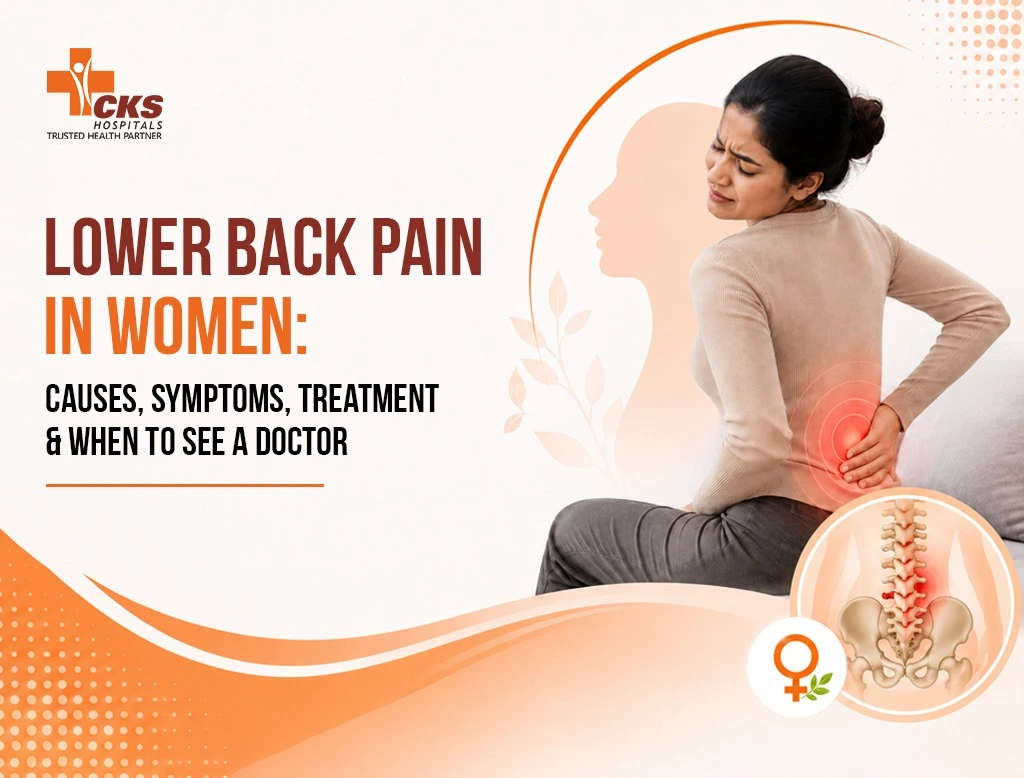
Lower back pain in women often results from a combination of musculoskeletal strain, hormonal shifts, and reproductive health conditions. While most cases are non-specific and manageable with rest and physiotherapy, persistent pain can signal underlying issues such as endometriosis, kidney stones, or degenerative disc disease. According to the World Health Organisation, approximately 90% of lower back pain cases are non-specific, meaning no single underlying cause is identified.
The experience of lumbar pain varies significantly across a woman’s life stages, often intensifying during menstruation, pregnancy, and menopause. Because the lower back is anatomically close to the pelvic organs and urinary system, symptoms can overlap, making professional diagnosis critical to distinguish between simple muscle strain and more serious systemic infections or gynecological disorders.
Medical professionals categorize these episodes into two primary types: acute pain, which appears suddenly and typically resolves within a few days or weeks, and chronic pain, which persists for 12 weeks or longer. Understanding the specific triggers—whether they are postural, hormonal, or organ-related—is the first step toward effective recovery.
Common Musculoskeletal and Lifestyle Causes
Many instances of lower back pain are rooted in daily habits and physical strain.
Muscle strains and sprains often manifest as sudden aches following heavy lifting or twisting movements. These are generally treated with short periods of rest and activity modification. However, more structural issues require clinical intervention. Sciatica, for example, occurs when there is any compression of the nerve in the lower spine, sending radiating pain, numbness, or weakness from the lower back through the buttocks and down one leg.
Degenerative changes also play a role as women age. Conditions such as bulging discs or degenerative disc disease cause sharp pain that intensifies when bending forward or sitting. Similarly, osteoporosis—which increases in risk as women approach menopause due to falling oestrogen levels—can lead to decreased bone density and spinal joint stiffness.
Reproductive and Hormonal Triggers
Women experience specific triggers for lower back pain tied to the reproductive system and hormonal cycles. During the days leading up to and during menstruation, the body releases hormone-like chemicals called prostaglandins. These trigger uterine contractions to shed the uterine lining, which often manifests as cramping and aching in the lower back.
Pregnancy introduces significant mechanical stress on the spine. As the baby grows in the mother’s womb, the mother’s center of gravity shifts, placing additional strain on the lumbar region. This is often compounded by the expansion of abdominal muscles and the release of the hormone relaxin, which keeps pelvic joints loose for weeks to prepare for childbirth. Postpartum pain can persist because the strength of the abdominal muscles is reduced temporarily, particularly following a C-section where healing scar tissue may affect mobility.
Chronic gynecological conditions can also refer pain to the lower back. Endometriosis, uterine fibroids, ovarian cysts, and pelvic inflammatory disease may cause lumbar discomfort. When back pain is accompanied by severe pelvic cramps, unusual vaginal bleeding, or pain during intercourse, it typically indicates a reproductive source rather than a musculoskeletal one.
Distinguishing Between Kidney, Urinary, and Nerve Pain
Because the lower back houses various systems, the location and nature of the pain provide essential clues for diagnosis. One-sided pain is often a clinical indicator of kidney-related issues. As per a report published by the National Kidney Foundation in July 2025, 1 out of 10 people are prone to kidney stones, which are often felt as deep, wave-like pain that may move toward the groin.
Urinary tract infections (UTIs) typically develop in the lower urinary tract, causing a burning sensation during urination. If the infection ascends to the kidneys, it can cause lower back pain, often accompanied by fever and chills, requiring prompt medical assistance.
To help identify the source of the pain, clinicians look for specific “key clues”:
- Muscle Pain: Worsens with movement or posture; strain, sprain, weak core.
- Kidney Pain: Deep one-sided flank pain; kidney stone or infection.
- UTI-Related Pain: Burning urination with back discomfort.
- Gynecological Pain: Back pain with pelvic symptoms; endometriosis, fibroid, cyst, PID.
- Nerve Pain: Pain radiates down the leg; sciatica or disc compression.
Diagnostic Procedures and Medical Red Flags
Physicians use a combination of patient history and diagnostic testing to isolate the cause of lumbar pain. A physical examination usually focuses on the timing of the pain, its intensity, your menstrual cycle, and urinary sensation. If structural damage is suspected, doctors order imaging tests. X-rays are used to identify fractures or arthritis, while MRI scans provide a detailed view of soft tissues, including discs, nerves, and muscles.
For suspected internal issues, urine tests are used to detect markers of infection or kidney stones. Pelvic ultrasounds are the standard for ruling out ovarian cysts or fibroids. Blood tests may be ordered to check for elevated white cell counts, which indicate an active infection or inflammatory condition affecting the joints.
While most back pain is benign, certain “red flags” necessitate immediate medical attention. These include:
- Pain rose due to an accident, a fall or another injury.
- Back pain that is connected with fever or chills.
- Improper bowel or bladder control problems.
- Weakness, tingling or numbness in one or both legs.
- Constant or intense pain.
- Unexplained weight loss accompanied by back pain.
- Lumbar pain with swelling or changes in skin colour on the back.
Treatment Options and Recovery Strategies
Management of lower back pain depends on the underlying cause. For acute musculoskeletal strain, resting for about 15–20 minutes can help the body relax from inflammation. Within 24 hours of injury, cold therapy (ice packs) is recommended to reduce swelling. After 48 hours, heat therapy—such as hot water bags—is recommended to relax tight muscles and improve blood flow, especially for stiffness and menstrual lumbar pain.
Physiotherapy is often the primary long-term treatment for chronic pain.
Medical interventions vary by specialty. Orthopedic doctors manage disc and nerve issues, gynecologists treat reproductive causes, and urologists or nephrologists handle kidney and bladder infections. Surgery is typically reserved as a final option for patients with progressive neurological weakness or severe structural spinal deformities.
To prevent recurrence, health experts suggest staying hydrated to ensure renal function, following a balanced diet, and keeping your body weight near your ideal Body Mass Index (BMI) to reduce the physical load on the spinal joints.
For those seeking a diagnosis, the next step is typically a consultation to determine which specialist—orthopedic doctor, physiotherapist, urologist, nephrologist, physician, or gynecologist—is required.
Do you have questions about managing chronic back pain or finding the right specialist? Share your experiences in the comments below or share this guide with someone who may find it helpful.
Worth a look